

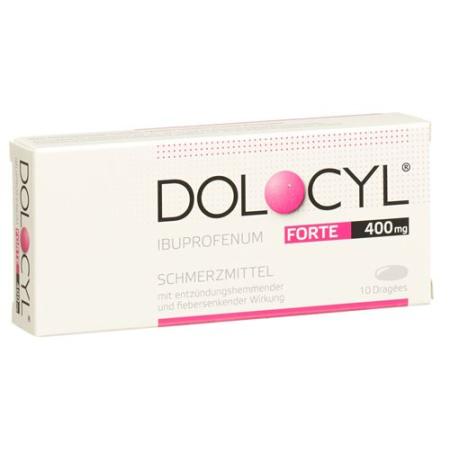
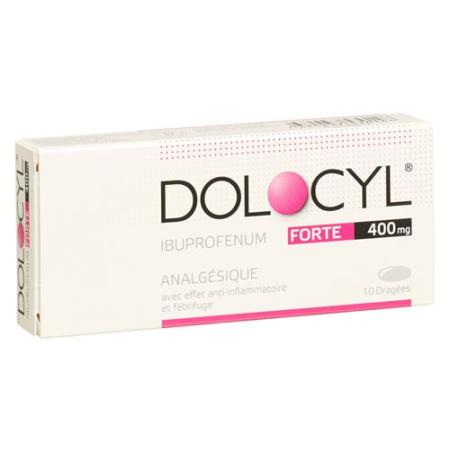
Dolocyl forte Drag 400 mg 10 pcs
Dolocyl Forte 400 mg 10 Dragees
Send a request to get a price
Not availableAnalogues of the product based on the Anatomical Therapeutic Chemical (ATC) Classification - M01AE01
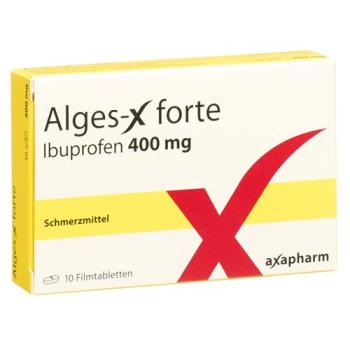
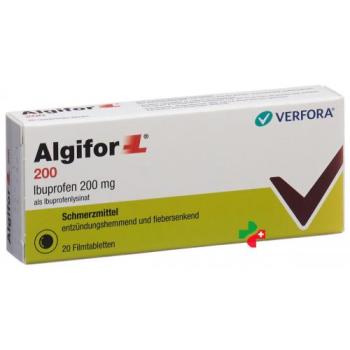
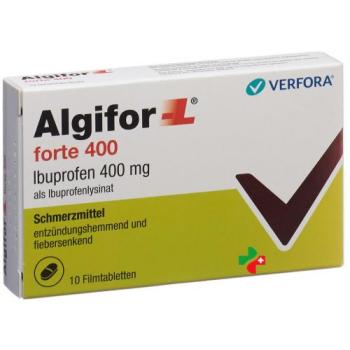
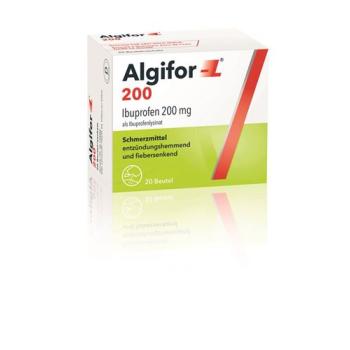
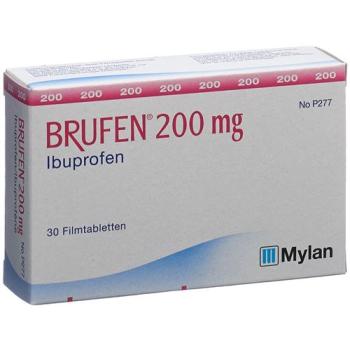
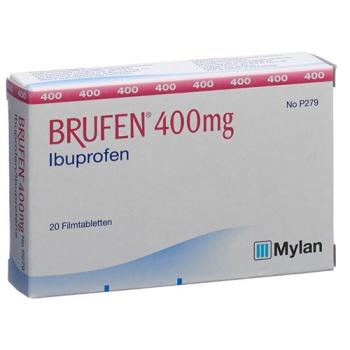
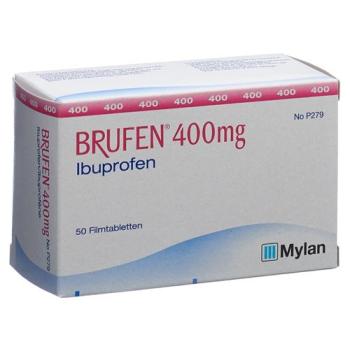
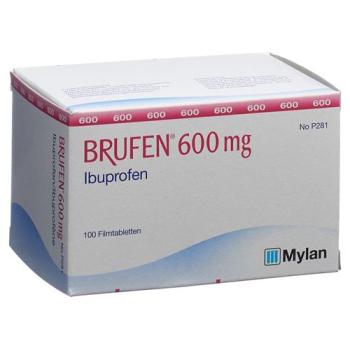
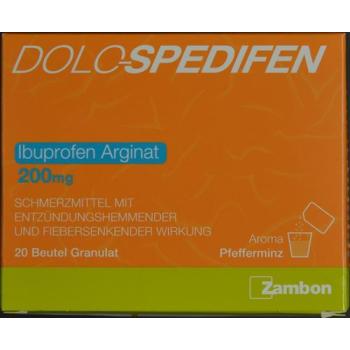

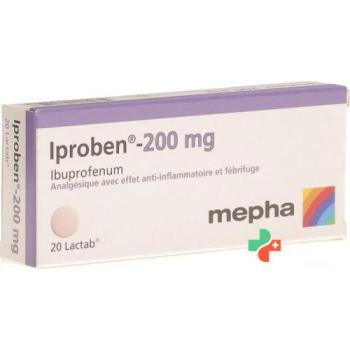
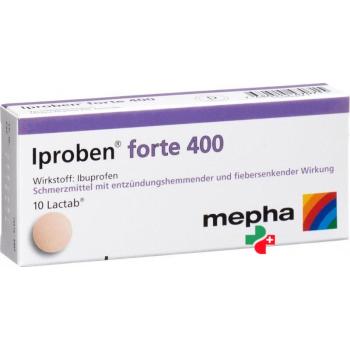
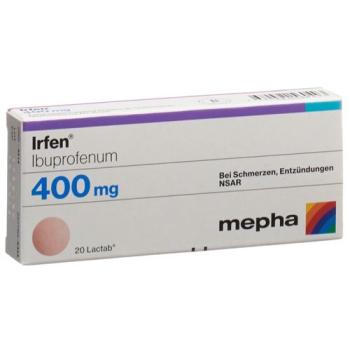
Description - Dolocyl forte Drag 400 mg 10 pcs
Dolocyl forte contains the active ingredient ibuprofen. It has pain-relieving, fever-reducing and anti-inflammatory properties. Dolocyl forte is suitable for short-term treatment, i. for a maximum of 3 days treatment of: -pain in the area of ??joints and ligaments, -back pain,headache,-Toothache, pain during menstrual bleeding,-pain after injury, -fever in influenza-like illnesses.
Swissmedic-approved patient information
Dolocyl® forte, Dragées
What is Dolocyl forte and when is it used?
Dolocyl forte contains the active ingredient ibuprofen . It has pain-relieving, fever-reducing and anti-inflammatory properties. Dolocyl forte is suitable for short-term treatment, i. for a maximum of 3 days treatment of: -pain in the area of ??joints and ligaments, -back pain,headache,-Toothache, pain during menstrual bleeding,-pain after injury, -fever in influenza-like illnesses.
When should Dolocyl forte not be taken?
-If you are allergic to any of the ingredients or after taking acetylsalicylic acid or other painkillers or rheumatism drugs, so-called do not - have had steroid anti-inflammatory drugs, shortness of breath or allergic-like skin reactions, -if you are pregnant or breastfeeding (see also chapter "Can Dolocyl forte be taken during pregnancy or while breastfeeding?"), -in active gastric and/or duodenal ulcers or gastrointestinal bleeding, -in chronic intestinal inflammation (Crohn's disease, ulcerative colitis), -in severe impairment of liver or kidney function, -in case of severe heart failure, -for the treatment of pain after a coronary bypass operation on the heart (or use of a heart-lung machine), -in children under 12 years of age. Dolocyl forte has not been tested for use in children under 12 years of age.
When is caution required when taking Dolocyl forte?
During treatment with Dolocyl forte, mucosal ulcers in the upper gastrointestinal tract, rarely bleeding or, in isolated cases, perforations can occur (stomach, intestinal perforations) occur. These complications can occur at any time during treatment, even without warning symptoms. To reduce this risk, the smallest effective dose should be used over the shortest possible duration of therapy. Contact your doctor if you have stomach pain and suspect it is related to taking the medicine. Elderly patients may be more sensitive to the medicine than younger adults. It is particularly important that elderly patients report any side effects to their doctor immediately. In the following situations, you may only take Dolocyl forte if prescribed by a doctor and under medical supervision: -If you are currently being treated by a doctor for a serious medical condition, -if you have previously suffered from a stomach or duodenal ulcer,-if you have previously had a heart attack, stroke or venous thrombosis, or if you have risk factors (such as high blood pressure, diabetes, high blood fat levels, smoking); for certain substances with a similar effect, the so-called COX-2 inhibitors, an increased risk of heart attack and stroke has been found at high doses and/or long-term treatment. It is not known whether this risk also applies to Dolocyl forte. -If you have heart disease or kidney disease, if you are taking medicines for high blood pressure (e.g. diuretics, ACE inhibitors) or if you have increased fluid loss, e.g. from excessive sweating; Taking Dolocyl forte can affect the way your kidneys work, which can lead to an increase in blood pressure and/or fluid retention (oedema), -if you have a liver disease,-if you are being treated with anticoagulants (blood thinners, anticoagulants) or have a blood clotting disorder,-if you suffer from asthma,-if you are taking anti-rheumatic medicines or other painkillers (e.g. acetylsalicylic acid, aspirin),-if you are taking medicines to treat diabetes (other than insulin), medicines to increase urine output (diuretics), medicines to treat infections (quinolone antibiotics) or medicines containing any of the following: lithium, digoxin , methotrexate, baclofen, phenytoin, probenecid or sulfinpyrazone, -if you are being treated with medicines, ACE inhibitors or ?-blockers (medicines used to treat high blood pressure and heart failure), antibiotics, certain antifungal medicines (e.g. voriconazole or fluconazole), immunosuppressants (medicines used to prevent transplant rejection), ginkgo biloba herbal products Extract, medicine for AIDS, epilepsy and depression. Nonsteroidal anti-inflammatory drugs such as ibuprofen and the medicines listed above can interact. -If you have an infection. Dolocyl forte can mask signs of infection such as fever and pain. It is therefore possible that Dolocyl forte may delay adequate treatment of the infection, which may lead to an increased risk of complications. This has been seen in bacterial pneumonia and bacterial skin infections associated with chickenpox. If you are taking this medicine during an infection and your infection symptoms persist or worsen, consult a doctor immediately. -If you have chickenpox (varicella), Dolocyl forte should not be used. Please only take Dolocyl forte after consulting your doctor if you know that you suffer from a sugar intolerance. This medicinal product contains less than 1 mmol sodium (23 mg) per 1 coated tablet, i.e. essentially 'sodium-free'. it is almost «sodium-free». Dolocyl forte can impair the ability to react, the ability to drive and the ability to use tools or machines! Skin reactionsSevere skin reactions such as acute generalized pustular exanthema, scaly skin inflammation or Stevens-Johnson syndrome have been reported in connection with treatment with ibuprofen-containing medicinal products. The highest risk of such reactions appears to be at the beginning of therapy. If you develop a skin rash, lesions on the mucous membranes, blisters or other signs of allergy, you should stop taking Dolocyl forte and seek medical treatment immediately, as these can be the first signs of a very serious skin reaction (see the section «What side effects can Dolocyl forte have? ). Tell your doctor, pharmacist or druggist if you ?suffer from other diseases, ? Have allergies or ?Take other medicines (including those you bought yourself!) or use them externally!
Can Dolocyl forte be taken during pregnancy or breastfeeding?
Pregnancy If you are pregnant or planning a pregnancy, you should only take Dolocyl forte after consulting your doctor. Dolocyl forte must not be taken in the last third of pregnancy. Lactation Dolocyl forte should not be taken while breastfeeding unless your doctor has given you express permission to do so.
How do you use Dolocyl forte?
Adults and adolescents over 12 years Take 1 dragée Dolocyl forte whole with plenty of liquid. A gap of 6 hours should be observed before the next dose. Maximum daily dose: Do not take more than 3 tablets of Dolocyl forte in a 24-hour period, unless prescribed by a doctor. In the case of pain during the menstrual period, it is recommended to start treatment at the first sign of the symptoms. Do not use Dolocyl forte for more than 3 days and only to treat the above-mentioned ailments. If the symptoms increase despite taking Dolocyl forte, or if the painful area becomes red or swollen, consult your doctor. A serious illness can be the cause. Even if the symptoms do not improve within 3 days at the latest, you should consult your doctor so that the reason can be clarified. The smallest effective dose for symptom relief should be used over the shortest possible duration of therapy. If you have an infection, consult your doctor immediately if symptoms (such as fever and pain) persist or worsen (see the section «When should you take caution with Dolocyl forte?». Children under the age of 12 Dolocyl forte must not be used in children under 12 years of age. The use and safety of Dolocyl forte in children under the age of 12 has not yet been systematically tested. Elderly patients Elderly patients may be more sensitive to the medicine than younger adults. It is particularly important that elderly patients report any side effects to their doctor immediately. Stick to the dosage given in the package leaflet or as prescribed by your doctor. If you have taken more Dolocyl forte than you should, or if children have accidentally taken the medicine, always contact a doctor for an assessment of the risk and advice on further treatment. Symptoms can include nausea, stomach pain, vomiting (possibly with blood), headache, ringing in the ears, confusion and eye tremors. At high doses, drowsiness, chest pain, palpitations, fainting, convulsions (especially in children), weakness and dizziness, blood in the urine, feeling cold and breathing problems have been reported. If you forget to take a dose, do not take more than the usual recommended amount next time. If you think the medicine is too weak or too strong, talk to your doctor, pharmacist or druggist.
What side effects can Dolocyl forte have?
The following side effects can occur when taking Dolocyl forte:
Gastrointestinal complaints such as a feeling of fullness, nausea, vomiting, heartburn, stomach pain, loss of appetite, constipation, diarrhea or flatulence often occur.Dolocyl forte can irritate the gastrointestinal mucosa, which in rare cases can cause a gastrointestinal ulcer. Gastrointestinal bleeding may occur as a result. Hypersensitivity reactions of the skin or mucous membranes can occur frequently, particularly in patients with asthma or hypersensitivity to other anti-inflammatory, analgesic or antipyretic drugs, and in patients with chronic urticaria. Serious skin reactions with reddening and blistering can occur very rarely. Occasionally, headache, dizziness, ringing in the ears, hearing loss, visual disturbances, depression and anxiety may occur. Existing impaired kidney function can in rare cases worsen, especially in patients with reduced cardiac output or high blood pressure. Dolocyl forte can cause increased accumulation of water in the tissues (oedema), which can lead to shortness of breath in the event of pulmonary congestion. If you experience a sore throat (angina), high fever, swelling of the lymph nodes in the neck area (a rare condition) or upper abdominal pain and/or blackened stools (also rare), treatment with Dolocyl forte must be stopped immediately during treatment terminated and the doctor consulted. Fatigue and rarely a runny nose and insomnia have also been reported in connection with Dolocyl forte. More rarely, hypersensitivity to light, changes in the blood count, liver dysfunction, liver failure and meningitis can occur. In very rare cases, severe headaches in connection with nausea, vomiting and neck stiffness can occur after taking Dolocyl forte. Then the treatment should be stopped and the doctor should be consulted. Medicines like Dolocyl forte may be associated with a small increased risk of heart attack ("myocardial infarction") or stroke. In isolated cases, a severe skin reaction known as DRESS syndrome can occur. Symptoms of DRESS include a rash, fever, swollen lymph nodes and an increase in eosinophils (a type of white blood cell). In individual cases, colitis or Crohn's disease can worsen. Furthermore, with an unknown frequency, a red, scaly, widespread rash with bumps under the skin and blisters accompanied by fever and located primarily on the skin folds of the trunk and upper extremities (acute generalized pustular exanthema) may occur at the start of treatment ). Discontinue use of Dolocyl forte if you develop these symptoms and seek medical attention immediately (see section «When should you take Dolocyl forte with caution?»). If you notice any side effects that are not described here, you should inform your doctor or pharmacist.
What else needs to be considered?
The medicinal product may only be used up to the date marked «EXP» on the container. Storage Instructions Store at room temperature (15-25°C). Keep out of the reach of children. Further Notes Your doctor, pharmacist or druggist can provide you with further information. These people have the detailed information for specialists.
What does Dolocyl forte contain?
1 tablet contains Dolocyl forteActive ingredients 400 mg ibuprofen. Excipients Colloidal anhydrous silica, corn starch, copovidone, alginic acid, microcrystalline cellulose, magnesium stearate, sucrose, titanium dioxide E171, talc, sodium carmellose, povidone, carnauba wax.
Approval number
43753 (Swissmedic).
Where can you get Dolocyl forte? What packs are available?
In pharmacies and drugstores, without a doctor's prescription. Packs of 10 dragées.
Authorization holder
Melisana AG, 8004 Zurich. This package leaflet was last checked by the medicines authority (Swissmedic) in March 2021.