

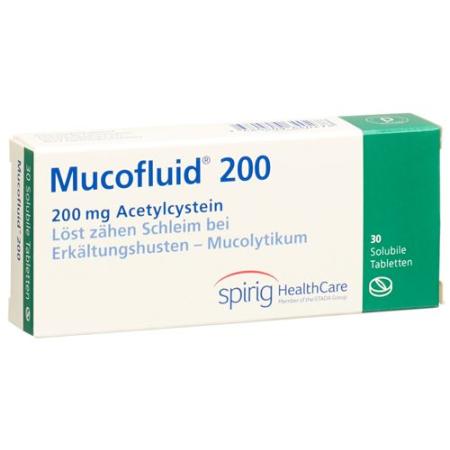
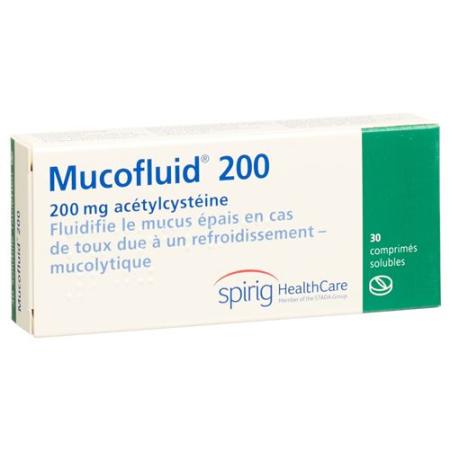
Mucofluid Tabl 200 mg soluble 30 pcs
Mucofluid 200 mg 30 tablets
Send a request to get a price
Not availableAnalogues of the product based on the Anatomical Therapeutic Chemical (ATC) Classification - R05CB01
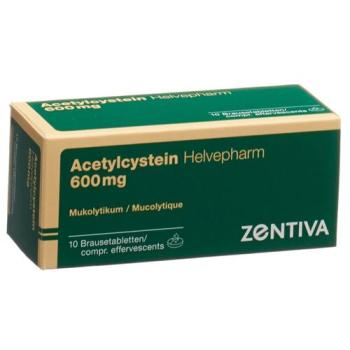
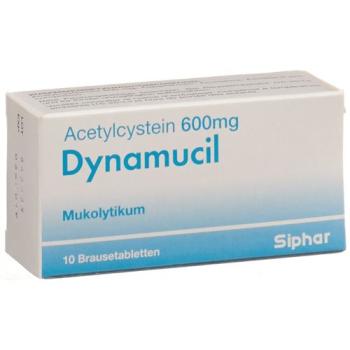
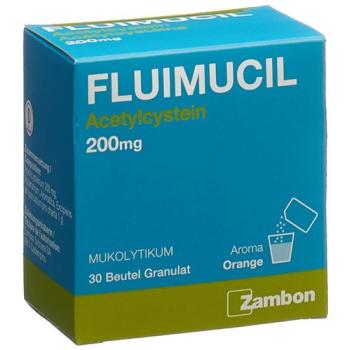
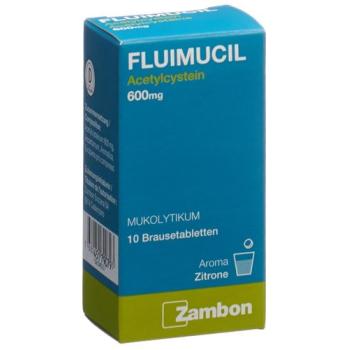

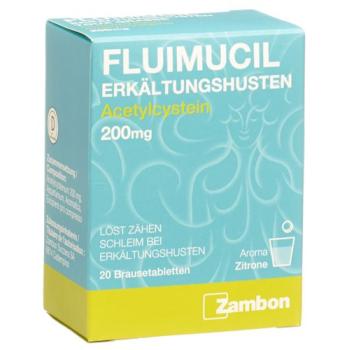
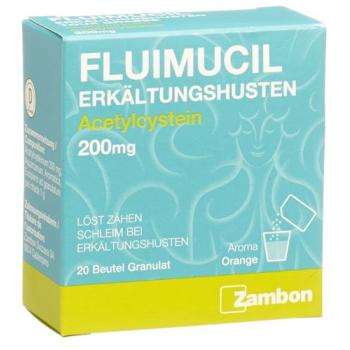
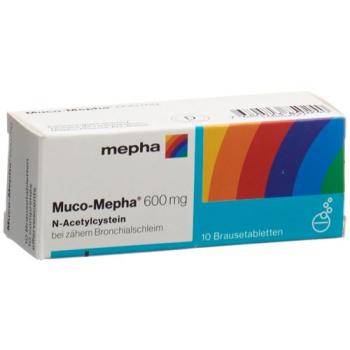
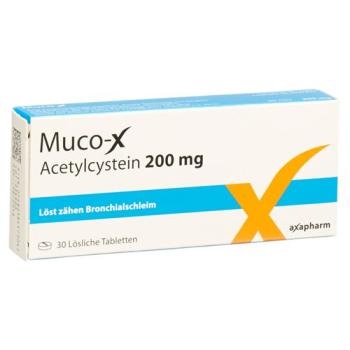
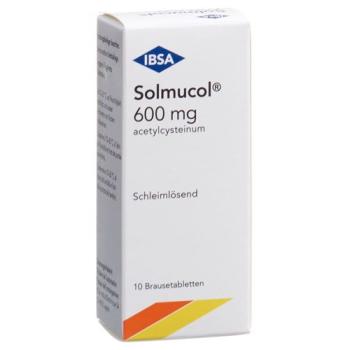
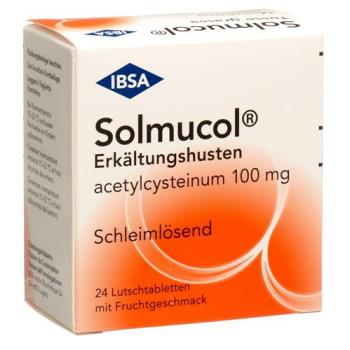
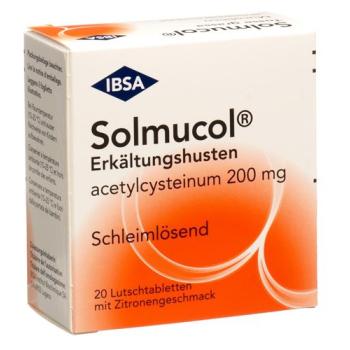
Description - Mucofluid Tabl 200 mg soluble 30 pcs
What is Mucofluid and when is it used?
Mucofluid contains the active ingredient acetylcysteine. This active ingredient liquefies and loosens the tough, stuck mucus in the airways and promotes expectoration.The secretion present on the mucous membrane of the respiratory tract plays an important role in the defense against inhaled pollutants such as bacteria, dust and chemical impurities. These irritants are held in the secretion, where they are rendered harmless and excreted with the sputum.Mucus production increases with infections caused by bacteria and viruses (colds, flu, bronchitis) and with chronic irritations caused by harmful substances. The thickening of the mucus can cause the airways to become blocked, causing breathing difficulties and sputum problems.Due to the expectorant effect of Mucofluid, the viscous mucus liquefies and can be coughed up better. This reduces the risk of infection. If the airways are clear, the cough subsides and breathing becomes easier.Mucofluid is suitable for the treatment of all respiratory diseases that lead to excessive mucus production, such as colds or flu illnesses with cough and catarrh as well as acute and chronic bronchitis, sinus infections, throat and pharynx infections, bronchial asthma and (as an additional treatment) cystic fibrosis.
What precautions should be taken?
The effect of Mucofluid is enhanced by drinking copious amounts of water. Smoking contributes to the excessive formation of bronchial mucus. By giving up smoking, you can support the effectiveness of Mucofluid.
When should Mucofluid not be taken?
Mucofluid must not be taken if you are known to be hypersensitive to the active ingredient acetylcysteine, if you have stomach or intestinal ulcers or if you have a rare hereditary metabolic disease (so-called phenylketonuria) that requires a strict diet.Mucofluid should also not be taken together with cough suppressants (antitussives), as these agents suppress the cough and the natural self-cleaning of the airways, which impairs the coughing up of the liquefied mucus and leads to a congestion of the bronchial mucus with the risk of bronchial spasms and Respiratory infections can occur.Mucofluid must not be used in young children under 2 years of age.Your doctor knows what to do in such cases.
When should caution be required when taking Mucofluid?
The use of Mucofluid, especially at the beginning of treatment, can lead to a liquefaction of the bronchial secretions and promote expectoration. If the patient is not able to cough up this sufficiently, the doctor can take supportive measures. If you have noticed rashes or breathing difficulties while taking a medicine with the same active substance as Mucofluid, you should inform your doctor or pharmacist about this before you start taking the preparation.The simultaneous administration of certain other drugs can lead to a mutual influence on the effects. The effectiveness of certain drugs against circulatory disorders of the coronary arteries (eg nitroglycerin for angina pectoris) can be increased.Simultaneous administration of acetylcysteine ??and carbamazepine can lead to a decrease in the concentration of carbamazepine.The simultaneous administration of cough suppressants (antitussives) can impair the effectiveness of Mucofluid (see above: ?When should Mucofluid not be taken??). Furthermore, you should not take certain antibiotics at the same time as Mucofluid, but at least 2 hours apart. Your doctor or pharmacist will explain to you which antibiotics this is the case.This medicine contains 9 mg aspartame per tablet.Aspartame is a source of phenylalanine. It can be harmful if you have phenylketonuria (PKU), a rare hereditary condition in which phenylalanine builds up because the body cannot break it down enough.Mucofluid 200 contains less than 1 mmol sodium (23 mg) per 1 tablet, ie it is almost sodium-free.Inform your doctor, pharmacist or druggist if you suffer from other illnesses, have allergies or are taking or applying other medicines (including those you have bought yourself!)!
Can Mucofluid be used during pregnancy or breastfeeding?
Based on previous experience, there is no known risk for the child when used as intended. Systematic scientific research was never carried out. As a precautionary measure, you should avoid medication if possible during pregnancy or ask your doctor, pharmacist or druggist for advice.No information is available on the excretion of acetylcysteine ??in breast milk. Therefore, you should only use Mucofluid during breastfeeding if your treating doctor deems it necessary.
How do you use Mucofluid?
Unless otherwise prescribed, the usual dosage is:
Adolescents over 12 years and adults
600 mg daily, divided into several doses (3 soluble tablets of 200 mg).If the excessive mucus formation and the associated cough do not subside after a treatment period of 2 weeks, you should consult a doctor so that he or she can clarify the cause more precisely and rule out, for example, a malignant disease of the respiratory tract.
Long-term treatment (only on medical prescription)
400-600 mg daily, divided into one or more doses. Duration of treatment limited to a maximum of 3-6 months.
Cystic fibrosis
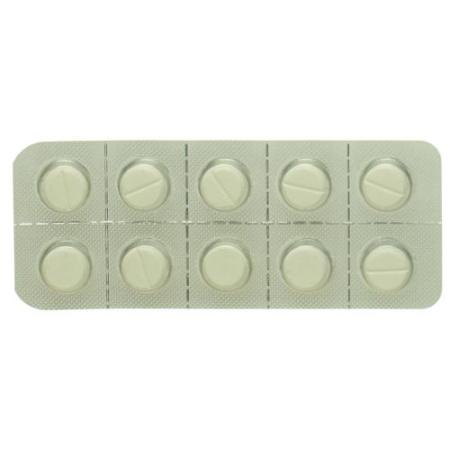
As above, but already for children from 6 years of age, one soluble tablet of 200 mg 3 times a day.Dissolve the soluble tablets in a glass of cold or hot water and drink it immediately. Do not dissolve other medicines with Mucofluid at the same time, as this can affect or stop the effectiveness of both Mucofluid and the other medicines. The soluble tablets can also be sucked or swallowed.A slight smell of sulfur is perceptible when the film is torn open. This is typical for the active ingredient acetylcysteine ??and does not affect its effect.Adhere to the dosage indicated in the package insert or prescribed by the doctor. If you think that the medicine is too weak or too strong, talk to your doctor, pharmacist or druggist.
What side effects can Mucofluid have?
The following side effects may occur when taking Mucofluid:Gastrointestinal disorders such as vomiting, diarrhea, nausea, abdominal pain or inflammation of the oral mucosa, as well as hypersensitivity reactions, hives, headache and fever.Furthermore, an accelerated pulse, low blood pressure and ringing in the ears, heartburn, as well as bleeding and water retention on the face can occur.Allergic symptoms of a general nature (such as skin rashes or itching) can also occur. If the hypersensitivity reactions also cause breathing difficulties and bronchial cramps, which can happen in rare cases, you must stop treatment with Mucofluid immediately and consult a doctor.The breath may temporarily get an unpleasant odor.If you notice any side effects that are not described here, you should inform your doctor, pharmacist or druggist.If you get any side effects, talk to your doctor, pharmacist or druggist. This also applies in particular to side effects that are not listed in this leaflet.
What should also be noted?
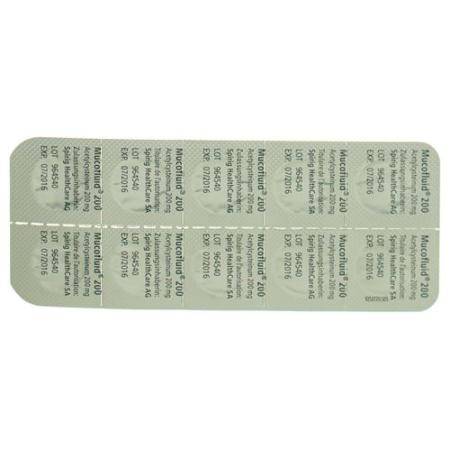
Store at room temperature (15-25 ° C), protected from light and moisture and out of the reach of children.The medicinal product may only be used up to the point marked ?EXP.? On the container. designated date can be used.Your doctor, pharmacist or druggist can provide you with further information. These people have the detailed information for specialists.
What does Mucofluid contain?
1 soluble tablet contains 200 mg acetylcysteine, excipients: mannitol, microcrystalline cellulose, croscarmellose sodium, aspartame, lemon juice flavor, highly dispersed silicon dioxide, acesulfame potassium, magnesium stearate.
Approval number
50964 (Swissmedic).
Where can you get Mucofluid? Which packs are available?
In pharmacies and drugstores, without medical prescription.
- Mucofluid 200 mg 30 tablets
Marketing authorization holder
Spirig HealthCare AG, 4622 Egerkingen.