

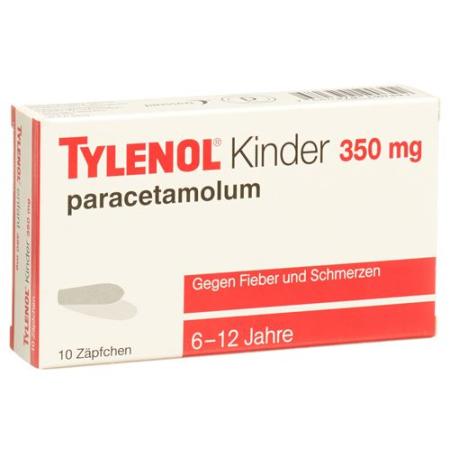
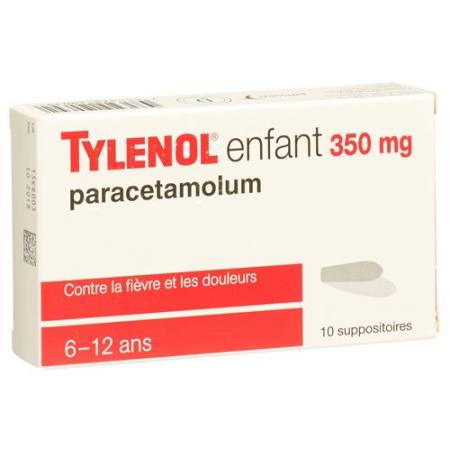
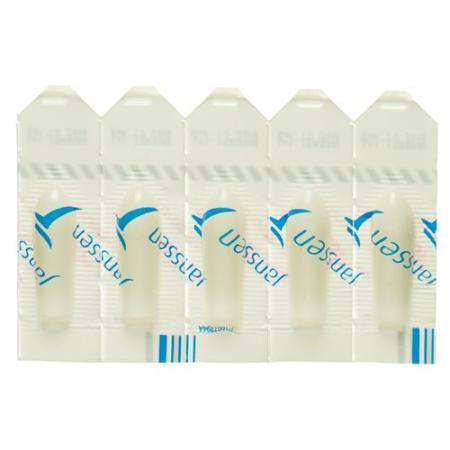
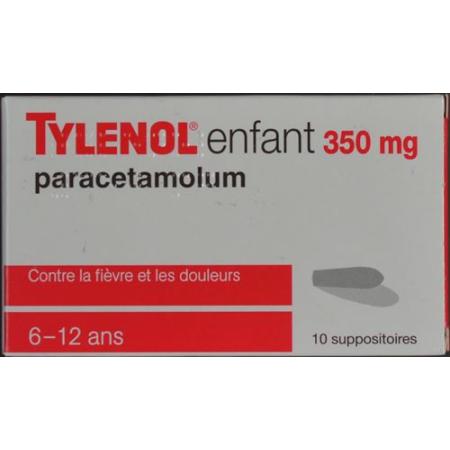
Tylenol Children's Supp 350 mg 10 pcs
Tylenol 350 mg 10 Zaepfchen
Send a request to get a price
Not availableAnalogues of the product based on the Anatomical Therapeutic Chemical (ATC) Classification - N02BE01
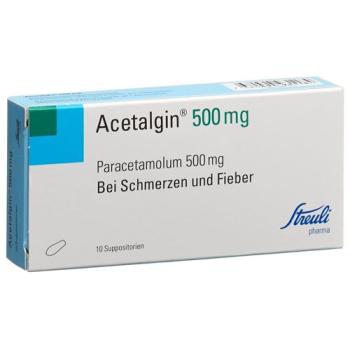

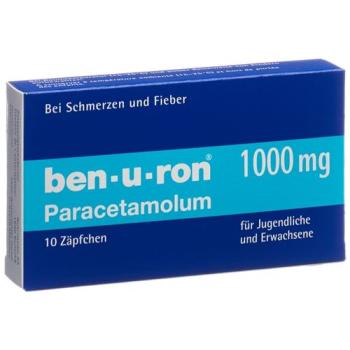
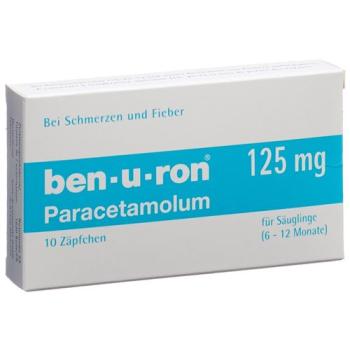
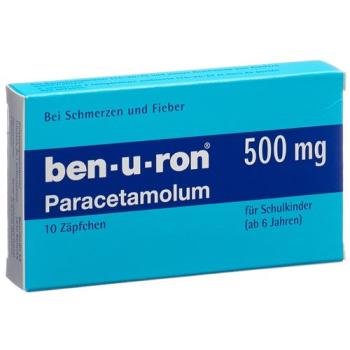
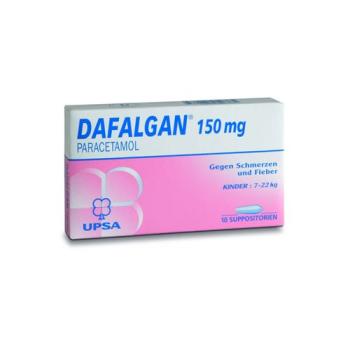
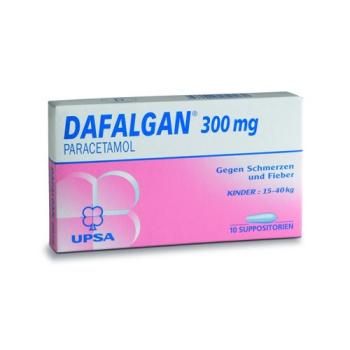
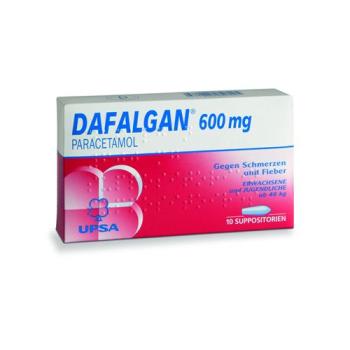
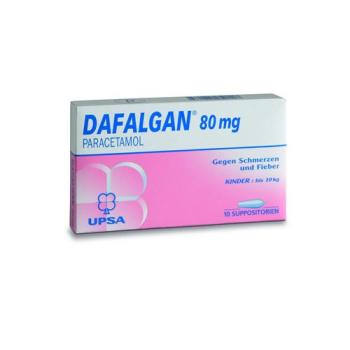
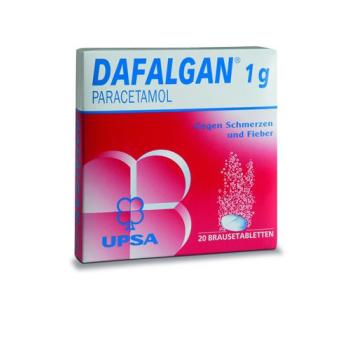
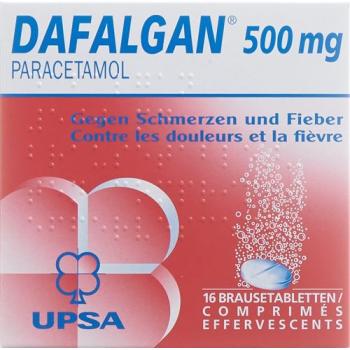
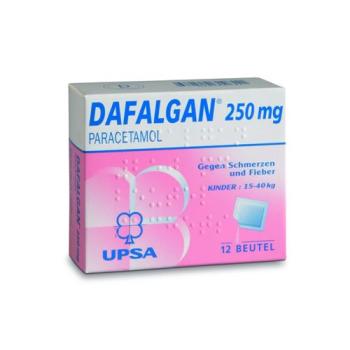
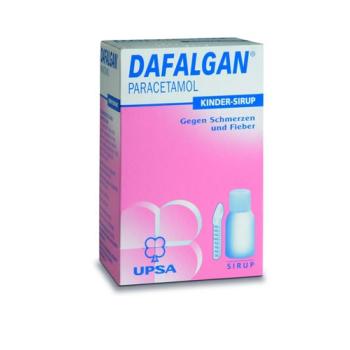
Description - Tylenol Children's Supp 350 mg 10 pcs
What is Tylenol and when is it used?
Tylenol children's suppositories contain the active ingredient paracetamol. This has an analgesic and fever-lowering effect.Tylenol children's suppositories are used for the short-term treatment of headaches, toothaches, pain in the area of ??joints and ligaments, back pain, pain during menstruation, pain after injuries (e.g. sports injuries), pain with colds and fever in small children and children.
What should be considered?
Painkillers should not be used regularly for a long time without medical supervision be taken. Long-lasting pain requires a medical evaluation.
The indicated or by the doctor resp. Do not exceed the dose prescribed by your doctor.To avoid the risk of overdose, make sure other medicines that are being used at the same time do not contain paracetamol.It should also be borne in mind that long-term use of painkillers can in turn contribute to headache persistence.Long-term use of painkillers, especially when taking multiple painkillers in combination, can lead to permanent kidney damage with the risk of kidney failure.Tylenol children's suppositories may only be administered to children under the age of 3 months or over a period of more than 3 days in children of any age only under medical supervision.Especially in small children, high fever or a worsening of the condition always requires early consultation with the doctor.
When shouldn't Tylenol be used?
Tylenol children's suppositories should not be used if there is a known hypersensitivity to Para cetamol.
Such hypersensitivity manifests itself, for example, in the form of asthma, shortness of breath, circulatory problems, swelling of the skin and mucous membranes, or skin rash (urticaria).
Severe liver or kidney diseases.
In the case of a hereditary liver disorder (so-called Meulengracht disease).
When is caution required when using Tylenol?
Tylenol can be found in Rarely cause hypersensitivity reactions (see When not to use Tylenol?) and very rarely, serious skin reactions (see What side effects can Tylenol have?).If your child develops a rash or any other sign of a hypersensitivity reaction, stop taking Tylenol and contact your doctor immediately.If you have liver or kidney disease, Tylenol should be used with special care Be used with caution and as directed by your doctor.If you have a severe infection (e.g. blood poisoning), Tylenol may only be used with particular caution and on the doctor's prescription.
In the case of a rare hereditary disease of the red blood cells, the so-called "glucose-6-phosphate dehydrogenase deficiency" as well as the simultaneous use of medicines that affect the liver, namely certain medicines for tuberculosis and seizure disorders (epilepsy) or medicines with the active ingredient zidovudine, which are used in immunodeficiency (AIDS) are used, they should only be used according to the doctor's instructions.
Cases of metabolic acidosis (overacidification of the blood) have been reported when the antibiotic flucloxacillin was used at the same time. Talk to your doctor before using flucloxacillin and Tylenol together.
Avoid taking preparations that also contain the active ingredient paracetamol at the same time.
Individual peoplePeople who are hypersensitive to painkillers or antirheumatic drugs can also be hypersensitive to paracetamol (see side effects).Inform your doctor, pharmacist or druggist if your child suffers from other illnesses, has allergies or is taking or using other medicines (even those you bought yourself!).
Can Tylenol be used during pregnancy or while breastfeeding?
This preparation is intended for use in children.
The following information applies to the possible use of Tylenol children's suppositories by young or adult women:
As a precautionary measure, you should avoid taking medication during pregnancy and breastfeeding if possible or ask your doctor, pharmacist or druggist for advice.
Paracetamol is an active ingredient that can also be used during pregnancy if used for short periods in the specified dosage . Based on previous experience, there is no known risk for the child with short-term use at the specified dosage.
Although paracetamol occurs in breast milk, breastfeeding is allowed.
How do you use Tylenol?
For children under 3 months, Tylenol children's suppositories are used as prescribed by a doctor. Furthermore, unless otherwise prescribed by the doctor, the following dosage scheme is recommended:
suppositories at 100 mg
Up to 6 months (up to 7 kg body weight): max. 4× 1 suppository (400 mg/day).6-12 months (7-10 kg body weight): max. 5× 1 suppository (500 mg/day).
200 mg suppositories
1-3 years (10-15 kg body weight): max. 3-4× 1 suppository (600-800 mg/day).3-6 years (15-22 kg body weight): max. 4-5× 1 suppository (800-1000 mg/day).
Suppositories at 350 mg
6 -9 years (22-30 kg body weight): max. 3-4x 1 suppository (1050-1400 mg/day).
9-12 years (30-40 kg body weight): max. 5-6x 1 suppository (1750-2100 mg/day).
The individual doses should be at least 4 hours apart.
Follow the instructions in this package specified or by the doctor resp. dosage prescribed by the doctor. If you think the medicine is too weak or too strong, talk to your doctor, pharmacist or druggist.In the event of accidental administration of higher or unknown doses, the doctor must be consulted immediately, as an overdose can lead to severe liver damage. Nausea, vomiting, abdominal pain, loss of appetite and a general feeling of illness can be an indication of an overdose, but only occur several hours to a day after ingestion. The doctor must be consulted in any case of an overdose, even if none of the symptoms mentioned occur within the specified time.
What side effects can Tylenol have?
The following side effects can occur when taking Tylenol children's suppositories:In rare cases, hypersensitivity reactions such as swelling of the skin and mucous membranes or a rash (redness), nausea, shortness of breath or asthma. In addition, changes in the blood count such as a reduced number of blood platelets (thrombocytopenia, sometimes with the formation of bruises and bleeding) or a severe reduction in certain white blood cells (agranulocytosis) have been observed.In very rare cases, certain liver enzyme values ??can also be increased and severe skin reactions (blistering, peeling of the skin, pustules) can occur.If side effects such as e.g. skin rash/skin reactionions, asthma or bruising/bleeding occur, the medicine must not be taken any longer and the doctor should be consulted. If you notice any side effects that are not described here, you should tell your doctor, pharmacist or druggist resp. Inform your doctor, pharmacist or druggist.
What else needs to be considered?
Medicines containing paracetamol must not be given to children who have accidentally consumed alcohol.
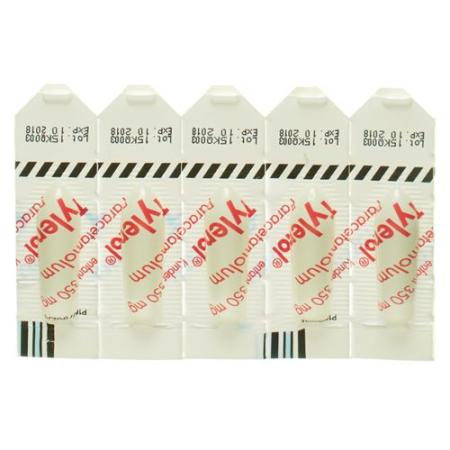
Tylenol children's suppositories liquefy or soften when stored above 35 °C. The wrapped suppositories can be quickly made ready for use again by briefly cooling them down under cold, running water. The quality of the suppositories does not change.Note: When cooling, make sure that the tip of the suppository is pointing downwards.Keep the medicine out of the reach of children.The medicine must only be used up to the date marked «EXP» on the container.Store at room temperature (15?25 °C) and in the original packaging.If you have expired medicines, take them back to the pharmacy or drugstore for disposal.Your doctor, pharmacist or druggist can provide you with further information. These people have the detailed technical information.
What does Tylenol contain?
Active ingredients
1 suppository of 100 mg: 100 mg paracetamol.
1 suppository of 200 mg: 200 mg paracetamol.
1 suppository of 350 mg: 350 mg paracetamol.
Excipients
Antioxidants: butylated hydroxyanisole (E 320) and butylated hydroxytoluene (E 321) as well as other auxiliaries required for the production of suppositories.
Authorization number
37919 (Swissmedic).
Where can you get Tylenol? Which packs are available?
In pharmacies and drugstores, without a doctor's prescription.
You will receive Tylenol children's suppositories in packs of 10 suppositories each.
Authorization holder
Janssen-Cilag AG, Zug, ZG.
This package leaflet was last checked by the drug authority (Swissmedic) in March 2022. strong>