

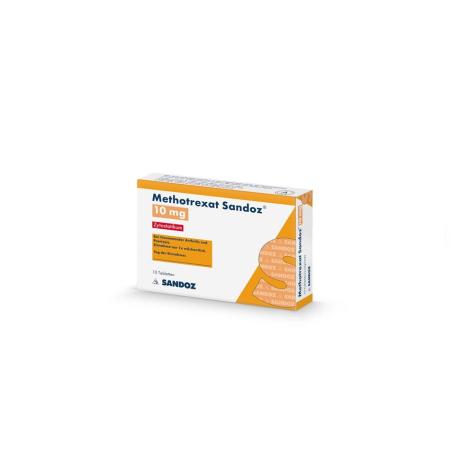
METHOTREXAT Sandoz Tabl 10 mg
Send a request to get a price
In stock 20 pcsActive ingredients:
MethotrexatAnalogues of the product based on the active ingredient
| Name | Code | EAN | Price | Original | ||
|---|---|---|---|---|---|---|
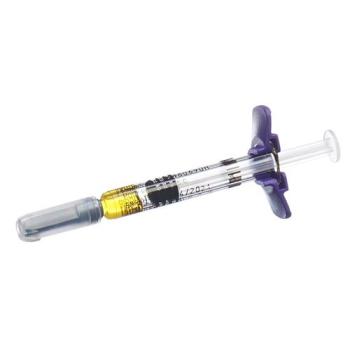 |
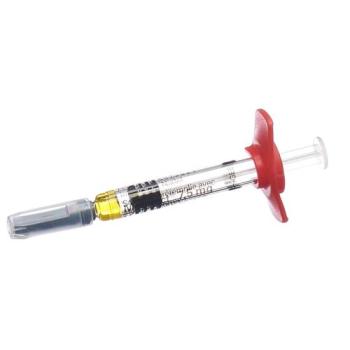
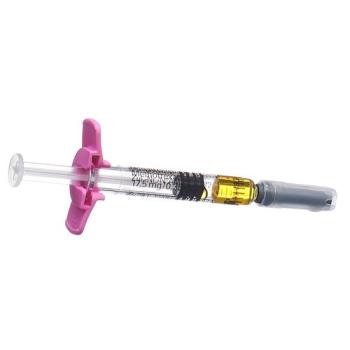
Metoject Inj Lös 15 mg/0.3ml Fertspr 0.3 ml | 4055676 | 7680572720488 | - | Read more |
Analogues of the product based on the Anatomical Therapeutic Chemical (ATC) Classification - L04AX03



Description - METHOTREXAT Sandoz Tabl 10 mg
Methotrexate Sandoz® Tablets
Sandoz Pharmaceuticals AG
What is Methotrexate Sandoz and when is it used?
For Psoriasis and Rheumatoid Arthritis It is essential to note that when treating rheumatoid arthritis and psoriasis, the recommended dose is administered once weekly, and that accidental daily use of the recommended dose can lead to severe poisoning, sometimes with fatal consequences. can. |
Methotrexate Sandoz contains the active ingredient methotrexate, which inhibits cell division and multiplication and the growth of certain tissues. It also has an inhibitory effect on the immune system, thus weakening unwanted immune responses.
Methotrexate Sandoz is used in high doses for certain malignant diseases of the blood cells (certain forms of leukemia, non-Hodgkin lymphoma), and for certain tumors (such as breast cancer, lung cancer, head and neck tumors, bladder cancer, bone cancer, and specific tumors in the female reproductive organs). Methotrexate is used in lower doses for chronic polyarthritis (rheumatoid arthritis, a specific form of chronic inflammation affecting multiple joints) and for severe cases of psoriasis that cannot be adequately treated with other therapies. On prescription from a doctor. When should Methotrexate Sandoz not be taken? If you are known to be hypersensitive to methotrexate or any of the other ingredients of the medicine; In cases of severe inflammation of the oral mucosa and/or ulcers of the gastrointestinal tract; In cases of severe liver and kidney dysfunction; In cases of Chronic liver disease and alcoholism;
In cases of severe diseases of the blood-forming system;
In cases of impaired function of the body's own defense system or a disorder of the immune system (e.g., AIDS);
Throughout pregnancy and while breastfeeding;
After a certain type of anesthesia (nitrous oxide anesthesia).
When should caution be exercised when taking Methotrexate Sandoz?
Before starting treatment:
Before you start taking Methotrexate Sandoz tablets, you should talk to your doctor about the risks and benefits of Your doctor will discuss methotrexate with you. They will explain the potential benefits and risks, including the early signs and symptoms of methotrexate poisoning. It is very important that you take methotrexate exactly as prescribed. If methotrexate is taken more often or in higher doses than prescribed, severe poisoning, including death, can occur. Before you start treatment, your blood will be tested to determine if you have enough blood cells. Your blood will also be tested to check your liver function and to find out if you have hepatitis. In addition, serum albumin (a protein in the blood), hepatitis status (liver infection), and kidney function will be checked. The doctor may also decide to perform further liver examinations. These could include imaging of your liver or taking a small tissue sample from the liver for more detailed examination. Your doctor may also test you for tuberculosis, take a chest X-ray, or perform a lung function test. Methotrexate Sandoz should be used with caution if you have existing infections, disorders of the blood-forming organs, or serious gastrointestinal diseases (such as ulcers). During therapy: Be especially careful when taking Methotrexate Sandoz and talk to your doctor immediately if you: Experience severe infections or skin reactions, Develop a cough or shortness of breath, Are exposed to chickenpox or shingles and have not already had these diseases. had,
unusual bleeding or bruising, blood in your urine or stool, or red spots on your skin,
received vaccinations. Some vaccines may not work properly if you are taking Methotrexate Sandoz, and live virus vaccines should be avoided. Discuss this with your doctor. Vaccinations against pneumonia andInfluenza may be performed during methotrexate therapy. Should require surgery under general anesthesia (nitrous oxide anesthesia). Your doctor may perform the following examinations: Examination of the oral cavity and pharynx for changes in the mucous membrane, such as inflammation or ulceration, Blood tests/blood count including blood cell count and determination of the methotrexate serum level, Blood tests to check liver function, Imaging procedures to assess the condition of the liver Monitor, Take a small tissue sample from your liver for further examination, Blood test to monitor kidney function, Monitor your airways and, if necessary, perform a lung function test. It is very important that you attend these scheduled appointments. If the results of any of these tests are abnormal, your doctor will adjust your treatment accordingly. Methotrexate can make your skin more sensitive to sunlight. Avoid intense sunlight and do not use sunbeds or sunlamps without consulting your doctor. Wear appropriate clothing or use a sunscreen with a high sun protection factor to protect your skin from intense sun exposure.
Special precautions for treatment with Methotrexate Sandoz
Methotrexate temporarily impairs the production of sperm and eggs, which is reversible in most cases. Methotrexate can cause miscarriages and serious birth defects. You must avoid pregnancy during treatment with methotrexate and for at least six months after the end of treatment. During and for some time after treatment with Methotrexate Sandoz, fertility may be impaired in both women and men. In women, this can manifest as menstrual irregularities or a complete absence of menstruation (see also “Can Methotrexate Sandoz be taken during pregnancy or while breastfeeding?”). During treatment with Methotrexate Sandoz, you must be closely monitored so that any signs of poisoning can be detected quickly. If symptoms of poisoning occur, consult a doctor immediately. The doctor will decide on the necessary monitoring and treatment of the poisoning, including regular laboratory tests, and will inform you about further measures. Inform your doctor immediately if you experience fever, sore throat, mouth ulcers, flu-like symptoms, severe fatigue, nosebleeds, or skin bleeding, or if you notice chills, coughing, lower back or side pain, pain when urinating, or unusual bleeding. These symptoms may indicate a serious adverse effect of methotrexate. Methotrexate Sandoz must only be used under constant medical supervision, including monitoring of blood counts and other laboratory values and organ function. In patients with rapidly growing tumors, Methotrexate Sandoz, like other cytostatic drugs, can cause tumor lysis syndrome (metabolic changes resulting from tumor breakdown). Inform your doctor if you experience nausea, loss of appetite, muscle weakness, cramps, heart rhythm disturbances, or a significant decrease in urine output. During treatment with Methotrexate Sandoz, lymph node swollenness may occasionally occur, which may regress when Methotrexate Sandoz is discontinued. Inform your doctor if you experience fever, sore throat, superficial mouth ulcers, flu-like symptoms, severe fatigue, nosebleeds, or skin bleeding. If the lymph node swollen lymph nodes do not subside on their own, your doctor will initiate appropriate treatment. During methotrexate therapy, opportunistic infections (inflammation due to a weakened immune system), including Pneumocystis carinii pneumonia (lung inflammation caused by a fungal infection), may occur and may be fatal. Methotrexate Sandoz, due to its immunosuppressive effect, can lead to...Vaccinations may be ineffective, or vaccinations with live vaccines may trigger an infection. Therefore, vaccinations with live vaccines should not be administered during treatment with Methotrexate Sandoz.
Certain types of anesthetics can affect the efficacy of methotrexate and may lead to serious, potentially fatal, side effects. Inform your doctor if you require surgery under general anesthesia (nitrous oxide anesthesia).
Treatment must be discontinued if vomiting, diarrhea, inflammation of the oral mucosa, vomiting blood, black stools, or blood in the stools occur.
These symptoms could indicate bloody bowel inflammation or a bowel perforation. Severe skin reactions can occur during treatment with Methotrexate Sandoz. Therefore, inform your doctor if you experience skin changes such as reddish spots (often with blisters in the center), a rash with widespread blistering, or peeling of the skin. Acute or chronic lung diseases can occur during treatment with Methotrexate Sandoz. If you experience symptoms such as a dry cough, shortness of breath (even difficulty breathing), chest pain, or fever, inform your doctor immediately. Acute pulmonary hemorrhage has been reported in patients with underlying rheumatological disease using methotrexate. If you experience symptoms such as coughing up blood or coughing, contact your doctor immediately. Methotrexate Sandoz can cause acute hepatitis and chronic, potentially fatal, hepatotoxicity (liver damage, fibrosis, and cirrhosis), generally only after prolonged use. Acute elevations in liver enzymes are frequently observed. These are usually temporary and asymptomatic and are not precursors to subsequent liver disease. Because Methotrexate Sandoz can cause liver damage, your doctor will perform regular liver function tests. During treatment with Methotrexate Sandoz, regular blood tests, including platelet and white blood cell counts, are necessary. Methotrexate Sandoz can decrease the number of white blood cells and platelets. This increases the risk of infection and bleeding.
Methotrexate Sandoz can make your skin sensitive to sunlight, so you should avoid exposure to direct sunlight. You should also not use a tanning bed without first discussing it with your doctor. Inform your doctor if you are receiving PUVA therapy (UV radiation in combination with psoralen therapy, e.g., for psoriasis), as there may be an increased risk of skin cancer. Inform your doctor if you are receiving a blood transfusion, as this can increase the toxicity of Methotrexate Sandoz. Serious side effects of Methotrexate Sandoz occur more frequently in patients with a folic acid deficiency. Therefore, your doctor may also prescribe a folic acid supplement. Dehydration and fluid retention in the tissues can intensify the side effects of Methotrexate Sandoz. Your doctor will therefore monitor you regularly in this regard and give you appropriate instructions. Encephalopathy (abnormal changes in the brain)/leukoencephalopathy (abnormal changes in the white matter of the brain) have been observed in cancer patients receiving methotrexate therapy and cannot be ruled out for other conditions during methotrexate therapy. If you, your partner, or your caregiver notice a new onset or worsening of neurological symptoms, including general muscle weakness, visual disturbances, changes in thinking, memory, and orientation leading to confusion and personality changes, contact your doctor immediately. Contact your doctor immediately, as these could be symptoms of a very rare, serious brain infection called progressive multifocal leukoencephalopathy (PML). This medicine may affect your reaction time.Impair your ability to drive and operate tools or machinery!
Interactions with other medicines and alcohol
Methotrexate Sandoz can interact with other medicines when used at the same time. In particular, the side effects of Methotrexate Sandoz may be intensified. Inform your doctor if you are taking any other medicines. He or she will decide on the further course of action. Interactions may occur, in particular, with the following medications: pain relievers and anti-inflammatories (e.g., aspirin), other medications for the treatment of rheumatoid arthritis (gold preparations, penicillamine, hydroxychloroquine, sulfasalazine, azathioprine, leflunomide), valproate for the treatment of epilepsy and bipolar disorder, probenecid and allopurinol for gout, gastroprotective medications (proton pump inhibitors), certain antibiotics, medications for tumors (e.g., cisplatin, mercaptopurine, cytarabine), triamterene (a diuretic), theophylline for asthma, vitamin preparations containing folic acid, medications for cardiac arrhythmias, and anticoagulants (acenocoumarol, phenprocoumon). If you are taking blood sugar-lowering medications, anti-epileptic drugs (phenytoin, phenobarbital), corticosteroids (e.g., cortisone), or nitric oxide-based anesthetics (nitrous oxide), talk to your doctor if you are scheduled for surgery. It is especially important to inform your doctor if you are taking any of the following medications: Metamizole (a medication for severe pain and/or fever) Due to the risk of liver damage, alcohol should be avoided. Please only take Methotrexate Sandoz after consulting your doctor if you know that you have a liver condition. Suffer from sugar intolerance.
Inform your doctor or pharmacist if you
suffer from other illnesses,
have allergies, or
are taking or using other medications (including those you bought yourself!).
Can Methotrexate Sandoz be taken during pregnancy or while breastfeeding?
Pregnancy
Do not use Methotrexate Sandoz if you are pregnant or trying to become pregnant. Methotrexate can cause birth defects, harm unborn children, or trigger miscarriages. It has been associated with malformations of the skull, face, heart and blood vessels, brain, and limbs. Therefore, it is very important that methotrexate is not given to pregnant women or patients who intend to become pregnant. Women of childbearing age must rule out any possibility of pregnancy with appropriate measures (pregnancy test) before starting treatment. You must avoid becoming pregnant while using methotrexate and for at least 6 months after stopping treatment. Therefore, you must ensure that you use a reliable method of contraception throughout this entire period.
If you become pregnant during treatment or suspect that you might be pregnant, contact your doctor as soon as possible. You should be offered counseling about the risk of harmful effects of the treatment on the child. If you wish to become pregnant, you should consult your doctor before starting treatment, who may refer you to a specialist for advice.
Breastfeeding
Do not breastfeed during treatment, as methotrexate passes into breast milk.
If your doctor considers treatment with methotrexate during breastfeeding absolutely necessary, you must stop breastfeeding. Male Fertility The available data do not suggest an increased risk of birth defects or miscarriages when the father receives methotrexate at a dose of less than 30 mg/week. However, a risk cannot be completely ruled out. Methotrexate can be genotoxic and impair sperm production, with the possibility of birth defects. During treatment with methotrexateYou should avoid fathering children or donating sperm for 3 months after treatment. How do you use Methotrexate Sandoz? The dosage is determined individually by your doctor depending on the type and severity of the disease, your age, liver and kidney function, and blood count. Take Methotrexate Sandoz tablets exactly as prescribed. Ask your doctor if you are unsure how to take the medicine. The tablets are taken once or twice a week. Use in chronic polyarthritis (rheumatoid arthritis) and severe psoriasis: Methotrexate Take Sandoz tablets weekly.
In certain cases, your doctor may instruct you to take three doses once a week, 12 hours apart.
Follow your doctor's instructions carefully. Under no circumstances should the tablets be taken daily, as this can lead to an overdose with serious side effects, often requiring hospitalization and sometimes resulting in death. Even taking small doses of methotrexate daily for less than a week can lead to serious consequences (including death). Choose a day of the week that you will most easily remember to take your methotrexate, and then always take it on that day. When you receive a new prescription, check whether the dosage and/or the number of tablets you need to take has changed. Take the tablets at least 1 hour before or 2 hours after a meal with plenty of liquid. Do not crush the tablets. If possible, use disposable gloves when handling the tablets, or wash your hands immediately after touching them. Take care not to inhale any tablet fragments (e.g., if a tablet is damaged) and to prevent them from coming into contact with your skin or mucous membranes (especially your eyes!). If skin contact occurs, wash the area with soap and water; if eye contact occurs, rinse thoroughly with water. If you accidentally take a higher dose than prescribed, inform your doctor immediately. If you miss a dose, take it within 24 hours of the scheduled dose date. If you are delayed for longer, consult your doctor before taking the missed dose. Do not take a double dose to make up for a missed dose. If you have any further questions about the use of this medicine, ask your doctor. Do not change the prescribed dosage yourself. If you think the medicine is too weak or too strong, talk to your doctor or pharmacist. The 5 mg tablets have a score line and can be divided. The 10 mg tablets have only a decorative score line and cannot be divided. If the 5 mg tablet needs to be split, the handling instructions must be followed (disposable gloves, wash hands, do not inhale).
What side effects can Methotrexate Sandoz have?
The following side effects may occur when taking Methotrexate Sandoz (see also the information under “When should caution be exercised when taking Methotrexate Sandoz?”):
Very common (affects more than 1 in 10 users)
Dizziness, headache, cough, nausea, vomiting, diarrhea, inflammation and ulcers in the mouth and throat, elevated liver enzymes, hair loss, Fatigue/Lethargy.
Common (affects 1 to 10 of 100 users)
Lymph node disorders, changes in blood count, anemia, loss of appetite, paresthesia/tingling, conjunctivitis, rash and skin redness, itching, dermatitis, photosensitivity (increased sensitivity to sunlight), skin ulcer.
Uncommon (affects 1 to 10 of 1000 users)
Fatal infections (inflammation due to a weakened immune system). can, inhibition of the regeneration of bone marrow cells, allergic reactions (severe allergic reactions with swelling of the skin and mucous membranes, shortness of breath, rapid heartbeat and drop in blood pressure up to circulatory failure/allergic shock), crampsVaccination (after intravenous administration), disease of the white matter of the brain with visual disturbances, movement disorders, disturbances of memory, concentration disorders, thinking disorders and paralysis, hemiplegia, pneumonia, fluid accumulation in the chest cavity, abdominal discomfort, inflammation of the pancreas, severe life-threatening allergic skin reactions such as reddish spots (often with blisters in the center), skin rash with extensive blistering or peeling of the skin (Stevens-Johnson syndrome, Lyell syndrome), kidney damage, disturbance of the Kidney function.
Rare (affects 1 to 10 of 10,000 users)
Blood poisoning (sepsis), diabetes mellitus, mood swings, temporary perceptual disturbances, drowsiness, paralysis, speech disorders, blurred vision, severe visual impairment, hypotension (low blood pressure), blockage of blood vessels by blood clots (thrombosis, pulmonary embolism), inflammation in the throat area, difficulty breathing out, pulmonary fibrosis (connective tissue changes in the lungs with a dry, irritating cough and shortness of breath during physical exertion), intestinal inflammation, gingivitis, bloody stools, ulcers of the Gastrointestinal tract and bleeding, acute hepatitis (liver inflammation), acne, small skin hemorrhages, inflammatory skin or mucous membrane disease, skin rash, painful erosions of psoriatic plaques, pigment changes, itching (urticaria), increase in rheumatoid arthritis, joint/muscle pain, osteoporosis, stress fractures, painful urination, menstrual disorders. Very rare (affects less than 1 in 10,000 users) Tumor lysis syndrome (a life-threatening metabolic disorder that can occur with the sudden destruction of a large number of tumor cells, and may cause nausea, loss of appetite, Muscle weakness, cramps, non-infectious meningitis (aseptic meningitis), meningismus, cardiac arrhythmias, and severely reduced urine output; unusual sensory perception, temporary blindness/loss of vision, fluid accumulation between the pericardium (pericardial effusion), pericarditis, sudden cardiac death, blood infection, chronic obstructive pulmonary disease, vomiting of blood, appearance of boils on various parts of the body, dilation of small superficial skin vessels, cystitis, blood in the urine, acute renal failure, impotence, infertility, loss of libido (Loss of sexual interest), temporary decrease in sperm count, vaginal discharge, muscle weakness, numbness or tingling/less sensation to touch than usual.
Not known (exact frequency cannot be estimated)
Infections caused by fungi, bacteria, and viruses (e.g., herpes infections, shingles), reactivation of a hepatitis B infection, worsening of a hepatitis C infection, increased intracranial pressure, inflammation of the meninges, paraplegia, stupor, lung disease (alveolitis), bleeding from the lungs (has been reported with the use of methotrexate for an underlying rheumatological condition) (reported), chest pain, oxygen deficiency, peritonitis, intestinal perforation, tongue inflammation, liver failure, severe skin reaction affecting the entire body, bone pain, fever, chills, malaise, redness and peeling of the skin, swelling.
Skin changes caused by psoriasis may worsen with UV radiation during concurrent methotrexate therapy. Radiation-induced dermatitis and sunburn may recur with methotrexate use (so-called "recall" reactions).
If you experience any side effects, talk to your doctor or pharmacist.
This also applies in particular to side effects not listed in this leaflet.
What else should you know?
The medicine must only be used until the expiry date marked "EXP" on the container.
Storage Instructions
Store in the original packaging at room temperature (15–25°C), protected from light and out of the reach of children.
Further Information
Do not handle Methotrexate Sandoz if you are pregnant or planning to become pregnant.
Do not dispose of unused or damaged containers.
Return the tablets to your doctor or pharmacist for proper disposal. Your doctor or pharmacist can provide you with further information. These individuals have access to the detailed product information.
What does Methotrexate Sandoz contain?
Active ingredients
1 tablet contains 5 mg or 10 mg of methotrexate as the active ingredient.
Excipients
Lactose monohydrate, maize starch, microcrystalline cellulose, colloidal silicon dioxide, magnesium stearate.
Marketing Authorization Number
58370 (Swissmedic)
Where can you obtain Methotrexate Sandoz? What pack sizes are available?
Available in pharmacies with a doctor's prescription, which is valid for a single purchase only.
Pack sizes: 20 tablets (divisible with a score line) of 5 mg methotrexate or 10 tablets (not divisible with a decorative score line) of 10 mg methotrexate.
Marketing Authorisation Holder
Sandoz Pharmaceuticals AG, Risch; Domicile: Rotkreuz
This package leaflet was last reviewed by the drug authority (Swissmedic) in February 2025.
Description for the doctor
Methotrexate Sandoz® Tablets
Sandoz Pharmaceuticals AG
Composition
Active Ingredients
Methotrexate.
Excipients
Lactose monohydrate, mayonnaise, microcrystalline cellulose, anhydrous colloidal silica, magnesium stearate.
1 tablet of 5 mg contains 157.20 mg lactose monohydrate.
1 tablet of 10 mg contains 314.40 mg Lactose monohydrate.
Dosage form and amount of active ingredient per unit
5 mg and 10 mg tablets.
Indications/Uses
Treatment of hematological neoplasms such as acute lymphoblastic and myeloid leukemia and non-Hodgkin lymphoma, as well as solid tumors such as breast cancer, bronchial carcinoma, malignant head and neck tumors, osteosarcoma, choriocarcinoma and other trophoblastic tumors, bladder cancer.
Treatment of autoimmune diseases such as rheumatoid arthritis.
Treatment of severe cases of uncontrollable psoriasis, which are resistant to are resistant to conventional therapy.
Dosage/Application
For non-oncological indications:
|
Methotrexate should only be used by physicians who are thoroughly familiar with the effects and side effects as well as the clinical use of this medicine.
The dosage depends on body weight or… the patient's body surface. The dose should be reduced in case of hematological suppression or hepatic and renal insufficiency (see "Special Dosage Instructions").
Usual Dosage
Dosage in Neoplastic Diseases (Adults, Adolescents, and Children)
Dose (mg/m²) | Administration | Interval | Leucovorin Administration |
|---|---|---|---|
Standard dose | |||
15‒20 | oral | 2× per week | - |
30-50 | oral | weekly | - |
Severe generalized, therapy-resistant psoriasis (adults)
In cases of severe, uncontrollable psoriasis that is refractory to conventional therapy, a once-weekly oral dose of 10-25 mg is administered. Three doses of 2.5–5.0 mg can also be administered orally at 12-hour intervals, with this dosage being repeated weekly. Under these conditions, the dose can be gradually increased by 2.5 mg/week, provided the total weekly dose is not exceeded. Once optimal efficacy is achieved, administration should be reduced to the lowest possible dose with the longest possible administration interval. Rheumatoid Arthritis (Adults) Dosage is individualized depending on the patient's clinical picture and any undesired side effects. In general, treatment for acute flare-ups of the disease with a weekly oral dose of 5–15 mg is recommended. Once the patient responds optimally, the dosage should be adjusted to the lowest effective dose. The optimal duration of therapy is unknown. Special Dosage Instructions Patients with Hepatic Impairment In patients with mild to moderate hepatic impairment, the treatment risks should be carefully weighed. Methotrexate should not be used in patients with severe hepatic impairment (see “Contraindications”). Patients with renal impairment Methotrexate should be used with caution in patients with impaired renal function. The dose must be adjusted in patients with impaired renal function to avoid drug accumulation. Methotrexate should not be used in patients with severe renal impairment (see “Contraindications”). The dose should be adjusted as follows:
Dose adjustment for methotrexate doses 100 mg/m² in patients with impaired renal function (low-dose methotrexate)
>60 100% 30–59 50%
Creatininen-Clearance (ml/min) % of the dose for administration |
<30 Methotrexate must not be used. |
Dose adjustment for methotrexate doses > 100 mg/m² in patients with impaired renal function (medium-high to high-dose methotrexate) table thead tr td Creatinine clearance (ml/min) td % of the dose Administration
>80 | 100% |
=−80 | 75% |
=−60 | 63% |
<60 | Methotrexate must not be used will be. |
Older Patients
Deaths have been reported, particularly in older patients, following accidental daily administration of the weekly dose. Patients should therefore be strongly advised that the recommended dose for the treatment of arthritis and psoriasis is to be administered weekly.
Due to reduced liver and kidney function, as well as limited folic acid storage capacity, methotrexate should generally be administered at a low dose. Elderly patients should be closely monitored so that symptoms of possible toxicity are detected early. Children and adolescents Safety and efficacy in pediatric use are established only in antineoplastic chemotherapy (see above). The dose calculation must be performed with particular care. Method of administration The tablets can be taken with or without food at a dose of ≤ 15 mg. For doses > 15 mg, the tablets should be taken at least 1 hour before or 2 hours after a meal (see also “Pharmacokinetics: Absorption”). The tablets should not be crushed. Disposable gloves should be used when handling the tablets, or hands should be washed immediately after contact. Care should be taken to ensure that any tablet fragments (e.g., if a tablet is damaged) are not inhaled and do not come into contact with the skin or mucous membranes. In case of skin contact, the affected area should be washed with soap and water; in case of eye contact, rinse with water. The 5 mg tablets have a score line and can be divided. The 10 mg tablets have only a decorative score line and cannot be divided. If the 5 mg tablet is to be split, the handling instructions must be followed (disposable gloves, wash hands, do not inhale).
Contraindications
Hypersensitivity to methotrexate or to any of the other ingredients of the medicinal product.
Pregnancy, breastfeeding.
Severe renal or hepatic insufficiency.
Severe myelodepression or blood disorders.
Severe mucositis.
Alcoholism, alcoholic hepatopathy, or other chronic liver diseases.
Immunodeficiency syndromes.
Administration of methotrexate after nitrous oxide. Anesthesia.
Warnings and Precautions
Due to the possibility of severe toxic reactions (which can be fatal), methotrexate should only be used in neoplastic diseases, severe, calcifying, and disabling forms of psoriasis, or rheumatoid arthritis.
Encephalopathy/leukoencephalopathy (including JC virus-induced progressive multifocal encephalopathy (PML)) has been observed in patients receiving methotrexate therapy. PML is a potentially life-threatening disease and should be considered in the differential diagnosis of immunosuppressed patients with newly occurring or altered neurological symptoms should be considered.
For non-oncological indications:
The prescribing physician should indicate the day of the week for administration on the prescription.
Patients must be advised that it is important not to take this medicine more often than weekly.
Patients must be closely monitored during methotrexate treatment. Methotrexate can cause severe toxicity.
Delayed methotrexate clearance is one of the main causes of methotrexate intoxication. It will beIt is assumed that the toxicity of methotrexate to normal tissue depends more on the duration of use than on the maximum serum levels achieved. The nature and frequency of toxic effects generally depend on the dosage and duration of methotrexate treatment. However, they have been observed at all dosages and at any time during therapy. Most adverse effects are reversible if recognized early. If adverse effects occur, the dosage should be reduced or therapy interrupted, and appropriate countermeasures should be taken. If methotrexate therapy is restarted, it should be continued with caution, with a thorough review of the need for therapy and with increased vigilance for the possible recurrence of toxicity. An existing folic acid deficiency can lead to increased methotrexate toxicity. Patients should be informed about the potential benefits and risks (including early signs and symptoms of toxicity) of methotrexate therapy. Furthermore, they must be informed of the necessity to consult a doctor immediately if symptoms of poisoning occur, as well as of the subsequent need for monitoring of the poisoning symptoms (including regular laboratory tests). The patient should be made aware that the oral dose should be taken once, twice, or three times a week and that the accidental daily use of the recommended dose has led to severe (fatal) toxicity. Deaths have been reported, particularly in elderly patients, following the accidental daily use of the weekly dose. Patients should therefore be strongly advised that the recommended dose for arthritis and psoriasis therapy is administered weekly. Dose calculation must be performed with particular care.
Folate Supplementation
In patients with rheumatoid arthritis, including juvenile polyarticular rheumatoid arthritis, or psoriasis, folic acid or folinic acid may reduce the toxicity of methotrexate (such as gastrointestinal symptoms, stomatitis, alopecia, and elevated liver enzymes) (see also “Interactions: Vitamin Preparations”). Before starting folate supplementation, it is advisable to check vitamin B12 levels (especially in adults over 50), as folate supplementation can mask the symptoms of a vitamin B12 deficiency. Fertility and Reproduction Fertility There are reports that methotrexate can cause oligospermia, menstrual irregularities, and amenorrhea in humans during therapy and for a short time after discontinuation. leads.
Furthermore, it can impair fertility, affecting spermatogenesis and oogenesis during the course of treatment—these effects appear to be reversible after discontinuation of therapy.
Teratogenital risk
Methotrexate causes embryotoxicity, miscarriages, and fetal malformations in humans. Therefore, the potential effects on fertility, spontaneous abortions, and congenital malformations should be discussed with patients of childbearing age (see “Pregnancy/Breastfeeding”). Before using Methotrexate Sandoz, it must be confirmed that pregnancy is not present. If women of childbearing age are being treated, they must use an effective method of contraception during therapy and for at least six months afterwards. For advice on contraception for men, see “Pregnancy/Breastfeeding”. Tumor lysis In patients with rapidly growing tumors, methotrexate, like other cytotoxic drugs, can induce tumor lysis syndrome. Appropriate supportive and pharmacological measures can prevent or mitigate this complication.
Lymphomas
Malignant lymphomas can occur with the use of low-dose methotrexate. These may regress spontaneously after discontinuation of methotrexate without treatment. If lymphomas occur, therapy should initially be discontinued, and only if the lymphoma does not regress should appropriate therapy be initiated.
Infections
During methotrexate therapyOpportunistic infections, including Pneumocystis carinii pneumonia, can occur and may be fatal. Methotrexate should only be used with extreme caution in the presence of active infections. Vaccinations Administering live or attenuated vaccines to patients immunosuppressed by chemotherapy (including methotrexate) can cause severe or fatal infections. Immunization with live vaccines should be avoided in patients receiving methotrexate.
When using inactivated or killed vaccines, it should be noted that the level of protection may be reduced.
Gastrointestinal Tract
If vomiting, diarrhea, ulcerative stomatitis, and dehydration occur, supportive measures should be initiated and interruption of therapy should be considered, as otherwise hemorrhagic enteritis and death due to intestinal perforation may occur.
Methotrexate should only be used with strict precautions in the presence of gastric ulcers or ulcerative colitis. Skin Severe, occasionally fatal, skin reactions such as Stevens-Johnson syndrome and toxic epidermal necrolysis (Lyell's syndrome) have been reported following single or repeated administrations of methotrexate. Photosensitivity Photosensitivity has been observed in some individuals using methotrexate, manifesting as an exaggerated sunburn reaction (see "Undesirable Effects"). Intense exposure to sunlight or UV radiation must be avoided unless medically indicated. Patients should use effective sunscreen to protect themselves from intense sun exposure. Lungs Methotrexate-induced acute or chronic lung diseases and pleural effusion can occur acutely at any time during therapy and have been reported even at low doses of 7.5 mg/week. These diseases were not always completely reversible, and fatalities have been reported. If typical symptoms such as a dry, irritating cough occur, immediate discontinuation of therapy and a thorough examination should be considered. Pulmonary alveolar hemorrhage has also been reported with the use of methotrexate for rheumatological and similar indications. This event may also be associated with vasculitis and other comorbidities. Immediate investigation should be considered if pulmonary alveolar hemorrhage is suspected in order to confirm the diagnosis. Kidney Methotrexate can cause kidney damage, including acute renal failure (see "Adverse Effects"). Close monitoring of kidney function is recommended. This includes adequate hydration, urine alkalinization, and measurement of serum methotrexate levels and renal function. The concomitant use of proton pump inhibitors (PPIs) and high-dose methotrexate should be avoided, especially in patients with impaired renal function. Liver function tests (including for non-oncological indications) Special attention must be paid to the possible occurrence of hepatotoxicity. If persistent or significant abnormalities are found in liver function tests, tests for other non-invasive markers of liver fibrosis, or liver biopsies, treatment must not be initiated or must be discontinued. A temporary increase in transaminase levels to two to three times the upper limit of normal was observed in 13–20% of patients. Persistent abnormalities in liver enzymes and/or a decrease in serum albumin may be signs of severe hepatotoxicity. Enzyme diagnostics cannot reliably predict the development of morphologically detectable hepatotoxicity; that is, that even with normal transaminase levels, liver fibrosis, detectable only histologically, or, in rarer cases, liver cirrhosis, may be present. To monitor the condition of the liver, non-invasive diagnostic options should be considered, depending on local clinical guidelines and the availability of the procedures. In individual cases, a liver biopsy should be considered to diagnose liver disease. The patient's comorbidities, his/her medical history, and other relevant factors should be taken into account.Consider the patient's medical history and the risks associated with the biopsy. Risk factors for hepatotoxicity include a history of excessive alcohol consumption, persistently elevated liver enzymes, a history of liver disease, a family history of hereditary liver disease, diabetes mellitus, obesity, prior exposure to hepatotoxic drugs or chemicals, and prior prolonged methotrexate treatment. In the event of a persistent increase in liver enzymes, a dose reduction or discontinuation of therapy should be considered. Due to the potentially toxic effects on the liver, no additional hepatotoxic drugs should be administered during methotrexate treatment. unless clearly necessary – and alcohol consumption should be avoided or significantly reduced (see section “Interactions”). In patients concomitantly using other hepatotoxic drugs (e.g., leflunomide), liver enzymes should be monitored even more closely. In patients with insulin-dependent diabetes mellitus, particular caution is generally advised, as liver cirrhosis has developed in isolated cases during methotrexate treatment, even without an increase in transaminase levels. Blood and blood-forming organs Methotrexate can suppress hematopoiesis and should be used with caution in patients with pre-existing impairment of the hematopoietic system. In the treatment of neoplasms, methotrexate therapy should only be continued if the potential therapeutic success outweighs the risk of severe myelosuppression. When treating psoriasis and rheumatoid arthritis, methotrexate use should be stopped immediately if a significant decrease in the number of blood cells occurs.
Recommended Monitoring
General
The following tests should be performed before treatment: complete blood count with differential and platelet count, liver enzymes, kidney function tests, and chest X-ray.
Tests for hepatitis B or C infection.
Patients must be closely monitored during methotrexate treatment so that signs of toxicity can be detected quickly.
During the treatment of psoriasis and For rheumatoid arthritis, the following parameters should be monitored and checked: blood count at least monthly, liver enzymes and kidney function every 1 to 2 months. More frequent examinations are generally required during antineoplastic therapy. More frequent monitoring may be necessary at the start of treatment, when changing the dosage, or during periods of increased risk for elevated methotrexate levels (e.g., dehydration). Pulmonary Function Test If lung disease is suspected (e.g., interstitial pneumonitis), performing a pulmonary function test can be helpful, especially if pre-treatment values are available. Methotrexate Levels Monitoring serum methotrexate levels, adjusting the dose, and implementing rescue measures can significantly reduce toxicity and mortality. will be.
Patients with certain conditions such as pleural effusion, ascites, gastrointestinal obstruction, prior cisplatin treatment, dehydration, aciduria, and impaired renal function are predisposed to developing elevated or prolonged methotrexate serum levels and benefit from regular monitoring of methotrexate levels.
Some patients may have delayed methotrexate clearance without the presence of the aforementioned conditions.
It is important that these patients can be identified within 48 hours, as methotrexate toxicity may be irreversible if appropriate leucovorin rescue is performed more than 42–48 hours after methotrexate administration. The method for monitoring methotrexate serum levels varies from institution to institution. Monitoring of methotrexate concentrations should include determining methotrexate levels after 24, 48, or 72 hours, as well as assessing the decrease in methotrexate concentration (to determine the duration of necessary leucovorin rescue). Nitrous Oxide Anesthesia Administering methotrexate after nitrous oxide anesthesia is contraindicated.Nitrous oxide anesthetics enhance the effect of methotrexate on folate metabolism, leading to increased toxicity such as severe, unpredictable myelosuppression, stomatitis, and neurotoxicity (see "Contraindications"). Severe neurotoxicity with fatal outcomes has been observed, particularly with intrathecal administration of methotrexate following nitrous oxide anesthesia. This effect can be reduced by folate supplementation (see "Dosage/Administration"). Serious adverse effects have occurred when methotrexate was administered 36 hours after nitrous oxide anesthesia. Serious adverse effects are still possible even after this interval.
Patients with the rare hereditary galactose intolerance, total lactase deficiency, or glucose-galactose malabsorption should not use this medicine.
Interactions
General
The effectiveness of methotrexate may be reduced by the concurrent use of vitamin preparations containing folic acid or its derivatives. An existing folic acid deficiency, however, can lead to increased methotrexate toxicity. NSAIDs should not be administered before or during high-dose methotrexate therapy and should only be administered with caution when combined with low-dose methotrexate. The concomitant administration of some NSAIDs and high-dose methotrexate therapy has led to elevated and prolonged serum methotrexate levels, resulting in fatalities due to severe hematological (including myelosuppression and aplastic anemia) and gastrointestinal toxicity. In animal studies, NSAIDs, including salicylic acid, led to a reduction in the tubular secretion of methotrexate and thus to an increase in its toxicity due to elevated methotrexate levels. Furthermore, NSAIDs, including salicylates, can displace methotrexate from plasma protein binding. The concomitant use of metamizole and methotrexate may potentiate the hematotoxic effects of methotrexate, particularly in elderly patients. Therefore, concomitant use should be avoided.
Concomitant administration of proton pump inhibitors (PPIs) may decrease the elimination of methotrexate, thereby causing elevated methotrexate plasma levels with clinical signs and symptoms of toxicity. Therefore, concomitant administration of PPIs and high-dose methotrexate should be avoided, especially in patients with impaired renal function.
Increased hepatotoxicity has been observed with the concomitant use of methotrexate and other hepatotoxic drugs.
Therefore, patients taking potentially hepatotoxic agents (e.g., leflunomide, azathioprine, sulfasalazine, retinoids) during methotrexate therapy should be closely monitored for the possible occurrence of increased hepatotoxicity. With prolonged pretreatment with bone marrow-suppressing substances (e.g., sulfonamides, pyrazole derivatives, indomethacin, phenytoin), the myelosuppressive effect may be intensified. Combination with Cytostatic Agents When high-dose methotrexate is combined with a potentially nephrotoxic chemotherapeutic agent (e.g., cisplatin), a Increased nephrotoxicity may occur. Severe neurological adverse effects such as headache, paralysis, coma, and stroke-like states have been reported with concomitant administration of intravenous cytarabine and intrathecal methotrexate. Methotrexate increases the plasma level of mercaptopurine. Therefore, a dose adjustment may be necessary when combining methotrexate and mercaptopurine. Vinca alkaloids and etoposide can potentiate the effects of methotrexate by increasing its intracellular accumulation and that of methotrexate polyglutamates. Corticosteroids, L-asparaginase, bleomycin, and penicillin can reduce the efficacy of methotrexate by inhibiting its cellular uptake. High-dose leucovorin can also reduce the effectiveness of methotrexate. This is particularly important to consider with intrathecal methotrexate administration. Combination with Antibiotics Penicillins and sulfonamides can reduce the renal clearance of methotrexate. Hematological and gastrointestinal toxicity has been observed in combination with both high- and low-dose methotrexate. Oral antibiotics, such as tetracyclines, chloramphenicol, and non-absorbable broad-spectrum antibiotics, can...Sulfonamides, tetracyclines, penicillin, pristinamycin, and chloramphenicol can also displace methotrexate from plasma protein binding. Ciprofloxacin and other fluoroquinolones should not be administered concomitantly with high-dose methotrexate, as increased cutaneous, renal, hepatic, and hematological toxicity has been reported. Methotrexate and ciprofloxacin are both highly bound to plasma proteins and are primarily excreted by glomerular filtration. Ciprofloxacin may interact with methotrexate by altering plasma protein binding or impairing glomerular filtration. Ciprofloxacin reduces renal tubular transport. Concomitant administration of this substance with methotrexate should be carefully monitored.
The combination of trimethoprim/sulfamethoxazole has rarely led to increased bone marrow suppression in patients treated with methotrexate—possibly due to an additional antifolate effect.
Concomitant administration of the antiprotozoal drug pyrimethamine may potentiate the toxic effect of methotrexate due to its antifolate effect.
Combination with antirheumatic drugs
The use of methotrexate with gold, penicillamine, hydroxychloroquine, or sulfasalazine has not been studied and may lead to an increased incidence of adverse reactions.
lead.
The combination of methotrexate with leflunomide may increase the risk of pancytopenia.
Combination with valproate
Case reports describe a significant decrease in serum valproate levels and the onset of clinical symptoms such as seizures within a few hours of methotrexate administration.
During combination therapy with valproate and methotrexate, prescribing physicians must monitor the clinical response (control of seizures or manic episodes) and arrange for close, regular, and appropriate monitoring of serum valproate levels. Other Combinations Probenecid inhibits renal tubular transport, can displace methotrexate from plasma protein binding, and can enhance the effects of methotrexate by increasing the intracellular accumulation of methotrexate and methotrexate polyglutamates. Concomitant use of methotrexate with probenecid should be carefully monitored. Triamterene can increase dihydrofolic acid reductase concentrations and thereby reduce the effect of methotrexate. Myelosuppression and decreased folate levels have been reported with concomitant administration of triamterene and methotrexate. Allopurinol can reduce the effect of methotrexate by increasing intracellular purine concentrations.
Methotrexate can reduce theophylline clearance. Therefore, theophylline levels should be monitored when used concomitantly with methotrexate.
Ultrasonic skin lesions have been described following amiodarone administration to patients receiving methotrexate for psoriasis treatment.
The effect of coumarin derivatives (acenocoumarol, phenprocoumon) may be potentiated by methotrexate (prolonged prothrombin time due to reduced metabolism).
Neurological disturbances cannot be ruled out with concomitant parenteral administration of acyclovir and intrathecal administration of methotrexate.
Radiotherapy
Administration of methotrexate during radiotherapy may lead to an increased risk of soft tissue and Bone necrosis.
Red blood cell concentrates
Red blood cell concentrates should only be administered with caution in combination with methotrexate: Patients who received 24-hour methotrexate infusions and subsequent transfusions showed increased signs of toxicity, possibly caused by the prolongation of high serum methotrexate concentrations.
Psoralen plus UV light (PUVA) therapy
Skin cancer has been reported in a few patients with psoriasis or mycosis fungoides (a cutaneous T-cell lymphoma) who received concomitant treatment with methotrexate and PUVA therapy (methoxalen and UV light). been.
Nitrous oxide anesthesia
The administration of methotrexate after nitrous oxide anesthesia is contraindicated. The use of nitrous oxide anesthetics enhances the effect of methotrexate on folate metabolism, leading to increased toxicity such as severe unpredictable myelosuppression, stomatitis and neurotoxicity (see “Warnings and Precautions”). This effect can be reduced by folate supplementation (see “Dosage/Application”).
Displacement of methotrexate from plasma protein binding
In addition to the substances already mentioned, the following can also displace methotrexate from plasma protein binding: doxorubicin, bleomycin, cyclophosphamide, phenytoin, barbiturates, p-aminobenzoic acid, sulfonylureas.
Pregnancy/Breastfeeding
Women of childbearing age/Contraception during Women
Women must not become pregnant during methotrexate therapy and must use an effective method of contraception during and for at least 6 months after completing methotrexate therapy (see “Warnings and Precautions”). Before starting treatment, women of childbearing potential must be informed about the risk of birth defects associated with methotrexate. Furthermore, any existing pregnancy must be definitively ruled out by appropriate measures such as a pregnancy test. During treatment, pregnancy tests should be performed as clinically necessary (e.g., after a failure to use contraception). Patients of childbearing potential must be counseled about pregnancy prevention and planning.
Contraception in Men
It is not known whether methotrexate accumulates in semen. Methotrexate has been shown to be genotoxic in animal studies, so the risk of genotoxic effects on sperm cannot be completely excluded. Limited clinical evidence does not suggest an increased risk of birth defects or miscarriages when the father has received low doses of methotrexate (less than 30 mg/week). For higher doses, there are insufficient data to assess the risk of birth defects or miscarriages following paternal exposure. As a precaution, sexually active male patients or their female partners should use reliable contraception during and for at least 3 months after completion of methotrexate therapy. During this period, men should also refrain from donating sperm. Pregnancy Methotrexate is contraindicated during pregnancy for non-oncological indications (see "Contraindications"). If pregnancy occurs during treatment with methotrexate and for up to 6 months afterward, medical advice must be sought regarding the risk of harmful, therapy-related effects on the child. Ultrasound examinations should also be performed to confirm normal fetal development. Animal studies have shown reproductive toxicity, particularly in the first trimester (see “Preclinical Data”). Methotrexate has been shown to be teratogenic in humans. It has been observed to cause fetal death, miscarriages, and/or fetal malformations (such as craniofacial, cardiovascular, central nervous system, and extremity malformations). Methotrexate is a potent human teratogen that increases the risk of miscarriage, intrauterine growth restriction, and congenital malformations when administered during pregnancy. Spontaneous miscarriages were observed in 42.5% of pregnant women taking low-dose methotrexate (less than 30 mg/week). In patients with comparable conditions who were treated with drugs other than methotrexate, the reported miscarriage rate was 22.5%. Serious birth defects occurred in 6.6% of live births to women who received low-dose methotrexate (less than 30 mg/week) during pregnancy. In patients with comparable disease who were treated with drugs other than methotrexate, approximately 4% of live births were affected. There is insufficient data on exposure to methotrexate doses higher than 30 mg/week during pregnancy, but higher rates of spontaneous abortions and congenital malformations are to be expected. If methotrexate was discontinued before conception, normal pregnancies have been reported.
Breastfeeding
Because there is a possibility of serious side effects for a breastfed infant, methotrexate is also contraindicated for breastfeeding mothers. The highest measured breast milk/plasma concentration ratio was 0.08/1.
Fertility
Methotrexate impairs spermatogenesis and oogenesis and can decrease fertility. There are reports that methotrexate causes oligospermia, menstrual irregularities, and amenorrhea in humans. These effects appear to be reversible after completion of therapy.
Effects on driving and operating machinery
Some of the events listed under “Undesirable Effects” (such as dizziness and drowsiness) may impair driving and operating machinery.
Undesirable Effects
The occurrence and severity of acute side effects generally depend on the dosage and frequency of use. The most common side effects are ulcerative stomatitis, nausea, vomiting, diarrhea, dizziness, headache, cough, alopecia, fatigue, and elevated liver enzymes. Although very rare, anaphylactic reactions to methotrexate have also been observed. Ulcerating oral mucosa is usually the earliest sign of toxicity. Suppression of hematopoiesis with anemia, leukopenia, thrombocytopenia, or pancytopenia is dose-dependent. The following are the undesirable effects that have been described during the use of methotrexate. The frequencies are defined as "very frequent" (approx. 1/10), "frequent" (approx. 1/100, <1/10), "occasional" (approx. 1/1000, <1/100), "rare" (approx. 1/10,000, <1/1000), "very rare" (<1/10,000), "not known". (Based primarily on spontaneous reports from market surveillance; the exact frequency cannot be estimated).
Infections and parasitic diseases
Occasionally:Opportunistic infections (including fatal ones).
Rarely:Sepsis (including fatal ones).
Reports of:Infections such as pneumonia, Pneumocystis cariniipneumonia, nocardiosis, histoplasmosis, cryptococcal mycosis, herpes zoster, herpes simplex, hepatitis, disseminated herpes simplex, and Cytomegalovirus infections (including cytomegalovirus pneumonia).
Reactivation of hepatitis B infection, worsening of hepatitis C infection.
Benign, malignant, and unspecified neoplasms (including cysts and polyps)
Occasionally: Lymphoproliferative disorders (also reversible).
Diseases of the blood and lymphatic system
Common: Lymphadenopathy, neutropenia, thrombocytopenia, abnormal (megaloblastic) erythrocyte morphology (megaloblastic anemia), leukopenia, Anemia.
Occasionally: Reduced hematopoiesis.
Very rarely: Aplastic anemia, pancytopenia, agranulocytosis, eosinophilia.
Immune system disorders
Occasionally: Anaphylactoid reactions.
Very rarely: Hypogammaglobulinemia.
Metabolic and nutritional disorders
Common: Reduced Appetite.
Rare: Diabetes.
Psychiatric disorders
Rare: Mood swings, temporary cognitive dysfunction.
Nervous system disorders
Very common: Dizziness (24%), headache (24%).
Common: Paresthesia (neurotoxicity).
Occasional: Hemiparesis.
Rare: Drowsiness, Paresis, speech disorder including dysarthria and aphasia, leukoencephalopathy (after oral administration).
Very rare: Pain, muscle weakness, paresthesia/hypoesthesia, unusual cranial sensation, aseptic meningitis, meningismus.
Not known: Increased intracranial pressure, arachnoiditis, paraplegia, stupor.
Eye disorders
Common: Conjunctivitis.
Rare: Blurred vision, severe Visual impairment.
Very rare: Temporary blindness/loss of vision.
Heart disease
Very rare: Pericardial effusion, pericarditis, sudden cardiac death.
Vascular disorders
Rare: Hypotension, thromboembolic events (including thrombophlebitis, arterial thrombosis, cerebral thrombosis, deep vein thrombosis, pulmonary embolism, retinal vein thrombosis).
Very rare: Vasculitis.
Respiratory, thoracic, and mediastinal disorders
Very common: Cough (17%).
Occasionally:(chronic) interstitial pneumonia (sometimes fatal), pneumonia, pleural effusion.
Rarely:pharyngitis, respiratory failure, pulmonary fibrosis.
Very rarely:chronic obstructive pulmonary disease.
Not known: alveolitis, chest pain, hypoxia, pulmonary alveolar hemorrhage (this has been reported with the use of methotrexate in rheumatological and related indications).
Gastrointestinal disorders
Very Common: Nausea (52%), stomatitis (17%), vomiting (11%), diarrhea (10%). Uncommon: Abdominal discomfort, pancreatitis. Rare: Enteritis, gastrointestinal ulcers and bleeding, gingivitis, melena. Very rare: Hematemesis. Not known: Intestinal perforation, non-infectious peritonitis, glossitis. Liver and biliary disorders Very Common: Increase in liver enzymes (15%). Rare: Acute hepatitis, chronic liver fibrosis and cirrhosis, liver toxicity. Very rare: Decrease in serum albumin. Individual reports: Liver failure. Chronic hepatotoxicity usually occurred after prolonged use (generally after two years or more) and after a cumulative total dose of at least 1.5 g. Studies with psoriasis patients have shown a dependence of liver toxicity on the cumulative total dose, which is increased by alcohol abuse, obesity, diabetes, and advanced age. Skin and subcutaneous tissue disorders Very common: Alopecia (13%). Common: Erythematous skin rashes, pruritus, dermatitis, photosensitivity, skin ulceration. Uncommon: Stevens-Johnson syndrome, toxic epidermal necrolysis (Lyell's syndrome).
Rare: Acne, ecchymoses, erythema multiforme, nodular exanthema, painful erosions of psoriatic plaques, pigmentary changes, urticaria, increased occurrence of subcutaneous rheumatoid arthritis.
Very rare: Furunculosis, telangiectasia.
Not known: Drug rash with eosinophilia and systemic symptoms, skin exfoliation/exfoliative dermatitis.
Psoriatic lesions may be aggravated by concurrent UV radiation.
Radiation-induced dermatitis and sunburn can recur with methotrexate use (so-called "recall" reactions). Skeletal, connective tissue, and bone disorders Rare: Arthralgia, myalgia, osteoporosis, stress fracture. Not known: Osteonecrosis. Administration of methotrexate during radiotherapy may lead to an increased risk of soft tissue and bone necrosis. Kidney and kidney disorders Urinary Tract
Occasionally: Severe nephropathy, renal insufficiency, proteinuria.
Rarely: Dysuria.
Very rarely: Azotomy, cystitis, hematuria, acute renal failure.
Diseases of the Genital Organs and Breasts
Rarely: Menstrual Disorder.
Very rarely: Impaired ovogenesis/spermatogenesis, impotence, infertility, loss of libido, temporary Oligospermia, vaginal discharge.
General disorders and administration site conditions
Very common: Fatigue (26%).
Not known: Pyrexia, chills, malaise, edema.
Reporting suspected adverse reactions after authorization of the medicinal product is important. It allows continued monitoring of the benefit/risk balance of the medicinal product. Healthcare professionals are asked to report any suspected new or serious adverse reactions via the online portal ElViS (Electronic Vigilance System). Information can be found at www.swissmedic.ch.
Overdose
Methotrexate overdose can occur with all routes of administration.
Signs and Symptoms
There are reports of oral overdoses due to the mistaken daily intake of methotrexate instead of weekly administration – sometimes with fatal outcomes.
In these cases, the most frequently reported symptoms involved hematological and gastrointestinal reactions. The symptoms also include those that can occur after pharmacological doses (especially hematological and gastrointestinal reactions), such as leukopenia, thrombocytopenia, anemia, pancytopenia, bone marrow suppression, mucositis, stomatitis, nausea, vomiting, gastrointestinal ulceration, and bleeding. In some cases, no symptoms occurred. There are reports of fatalities due to sustained overdose with self-administered doses for rheumatoid arthritis and psoriasis. In these cases, sepsis, septic shock, renal failure, and aplastic anemia have also been reported. Treatment Leucovorin is the antidote for methotrexate overdose. It can be administered orally, intramuscularly, or intravenously (bolus injection or infusion). However, in patients with malabsorption syndrome or other gastrointestinal disorders (vomiting, diarrhea, subileus, etc.) where enteral absorption is not guaranteed, leucovorin must always be administered parenterally. The administration of leucovorin should be initiated as soon as possible. The efficacy of leucovorin as an antidote decreases with increasing time between methotrexate administration and leucovorin administration. To determine the optimal dose and duration of leucovorin administration, monitoring of methotrexate serum levels is necessary (see “Warnings and Precautions”, “Recommended Monitoring”). In cases of massive overdose, hydration and alkalinization of the urine may be necessary to prevent the accumulation of methotrexate and/or its metabolites in the renal tubules. A high fluid flow rate and alkalinization of the urine to pH 6.5–7.0 by oral or intravenous administration of sodium bicarbonate (5 x 625 mg orally every 3 hours) or acetazolamide (500 mg orally 4 times daily) is recommended as a preventive measure. Neither standard homeolysis nor peritoneal dialysis improved methotrexate elimination. Effective methotrexate clearance was achieved through acute, intermittent homeolysis with a high-flux dialyzer.
Properties/Effects
ATC Code
L01BA01
Mechanism of Action
Methotrexate, a folic acid derivative, is a cytostatic agent of the antimetabolite class.
Methotrexate enters the cell via an active transporter for reduced folates and due to relatively irreversible binding. There, it acts primarily during the "S phase." Methotrexate inhibits cell division by competitively inhibiting dihydrofolate reductase. This enzyme reduces dihydrofolates to tetrahydrofolates, which act as carriers for one-carbon groups for the synthesis of purine nucleotides and thymidylates. Methotrexate thus inhibits DNA/RNA synthesis, repair, and cell proliferation. The affinity of dihydrofolate reductase for methotrexate is significantly greater than the affinity for folic or dihydrofolic acid. Actively proliferating tissues such as malignant cells, bone marrow, fetal cells, oral and intestinal mucosa, psoriatic skin areas, hair matrix, and bladder cells generally respond more sensitively to the effects of methotrexate. Pharmacodynamics In psoriasis, the production rate of epithelial cells in the skin is greatly increased compared to normal skin. This differing proliferation rate forms the basis for the use of methotrexate to control the course of psoriatic disease. Methotrexate also has an immunosuppressive effect. The effect of methotrexate can be reversed by administering leucovorin (folinic acid, N5-formyltetrahydrofolinic acid). The use of high-dose methotrexate followed by leucovorin is employed as part of the treatment of patients with non-metastatic osteosarcoma. The original rationale for high-dose methotrexate therapy was based on the concept of selective rescue of normal tissue by leucovorin. More recent research suggests that high-dose methotrexate therapy may not be effective.High-dose methotrexate can also overcome methotrexate resistance caused by impaired active transport, reduced affinity of dihydrofolic acid reductase for methotrexate, increased levels of dihydrofolic acid reductase due to gene amplification, or reduced polyglutamatization of methotrexate. The actual mechanism of action is unknown.
Clinical efficacy
No data available.
Pharmacokinetics
Absorption
Pharmacokinetics in adults
Absorption after oral administration is dose-dependent. At doses of <30 mg/m², the mean bioavailability is 60%; at doses above 40 mg/m², it is significantly lower, probably due to a saturation effect. Maximum serum levels are reached after 1–2 hours. Absorption is subject to large interindividual variations.
The bioavailability of 7.5 mg–15 mg methotrexate is not affected by food intake after oral administration. At higher doses, a significant delay in absorption has been reported when taken with food, particularly dairy products.
Pharmacokinetics in children
Maximum serum concentrations are reached after 0.5–5 hours following oral administration of 6.3–24.5 mg/m² methotrexate.
Distribution
Methotrexate competes with reduced folates for active, carrier-mediated cell membrane transport. At serum concentrations above 100 µmol/L, passive diffusion predominates, allowing effective intracellular concentrations to be achieved. The organs with the highest methotrexate levels and the longest residence time are the liver and kidneys. Approximately 50% of methotrexate is bound to serum proteins. Methotrexate distribution in the peritoneal and pleural spaces is slow. In cases of pleural effusion or ascites, these "third compartments" can be affected. They serve as a reservoir and slow the elimination of methotrexate, thereby increasing systemic toxicity.
After oral administration, methotrexate penetrates the blood-brain barrier only minimally at low doses.
Metabolism
Methotrexate is reversibly bound intracellularly to polyglutamate. Small amounts of methotrexate polyglutamates can remain in tissues for extended periods. The retention and prolonged duration of action of these active metabolites vary in different tissues and tumors. A small portion of methotrexate is metabolized to 7-hydroxymethotrexate. With high-dose therapy, the accumulation of this metabolite can be significant. The solubility of 7-hydroxymethotrexate in water is 3 to 5 times lower than that of the parent compound. After oral administration, methotrexate is partially metabolized in the intestinal flora. Elimination Elimination is triphasic. The terminal half-life is approximately 3–10 hours at low doses of methotrexate (<30 mg/m²) and 8–15 hours at high doses. Renal elimination is the main route of excretion via active tubular secretion. Biliary elimination is limited and amounts to a maximum of 10% of the administered dose. Enterohepatic recirculation of methotrexate is assumed.
Methotrexate clearance averages 12 L/h, although the clearance rate varies considerably and is generally lower at higher doses.
Kinetics in special patient groups
Fluid retention
In cases of extracellular fluid accumulation, such as ascites and pleural effusion, methotrexate serum levels may remain elevated for extended periods.
Liver dysfunction
Studies in liver failure are not available. before.
Renal Impairment
Impaired renal function can significantly increase methotrexate serum levels. A correlation has been found between methotrexate clearance and endogenous creatinine clearance.
Elderly Patients
Pharmacokinetic data in elderly patients are not available.
Children and Adolescents
In diabetic patients, oral absorption is also dose-dependent; however, considerable variability is possible (23%–95%). Methotrexate doses of 6.3–30 mg/m² showed a terminal half-life of 0.7–5.8 h. Children aged 1–4 years have lower plasma steady-state levels, a higher volume of distribution, and greater clearance than older children.Elderly children and adults.
Preclinical Data
The intraperitoneal LD50 of methotrexate was 94 mg/kg in mice and 6–25 mg/kg in rats. The oral LD50 for rats was 180 mg/kg. In dogs, an intravenous dose of 50 mg/kg was lethal. The target organs for toxicity after a single dose were the homeolymphopoietic system and the gastrointestinal tract. The main targets of methotrexate toxicity after repeated administration in mice and rats were the homeolymphopoietic system, the gastrointestinal tract, lungs, liver, kidneys, testes, and skin. Tolerance in mice to long-term methotrexate treatment increased with age. Carcinogenicity Studies on the carcinogenic potential of methotrexate in a number of animal models found no clear evidence. Chromosomal abnormalities have been found in animal somatic cells and in human bone marrow cells; their clinical relevance is uncertain. Reproductive toxicity Teratogenic effects of methotrexate have been observed in rats, mice, rabbits, and cats. Other information Expiry date The medicinal product must only be used until the expiry date printed on the container marked "EXP". Use by the date indicated.
Special Storage Instructions
Store in the original packaging at room temperature (15–25°C), protected from light and out of the reach of children.
Handling Instructions
Handling of Cytostatic Drugs
When handling and disposing of Methotrexate Sandoz, follow the guidelines for cytostatic drugs (see also “Dosage/Administration”).
Methotrexate is non-blistering, therefore contact with the skin is not dangerous if washed off immediately with water. Any temporary burning sensation can be treated with a mild cream. In case of eye contact, rinse immediately with plenty of water. If there is a risk of systemic absorption of large amounts of methotrexate, leucovorin should be administered. Authorization number
58370 (Swissmedic)
Authorization holder
Sandoz Pharmaceuticals AG, Risch; Registered office: Rotkreuz
Information current as of
February 2025