

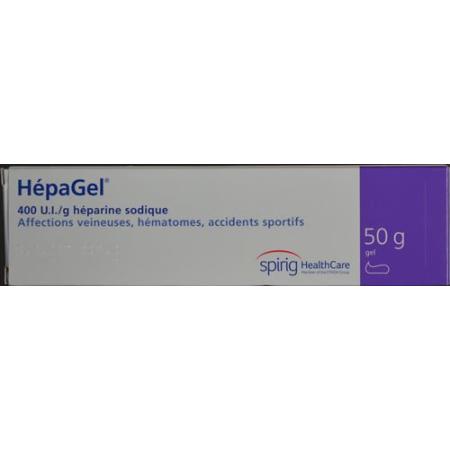
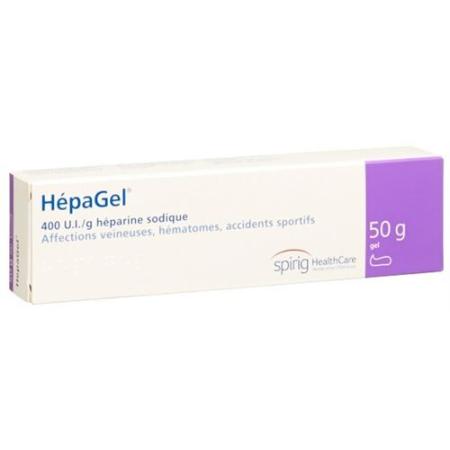
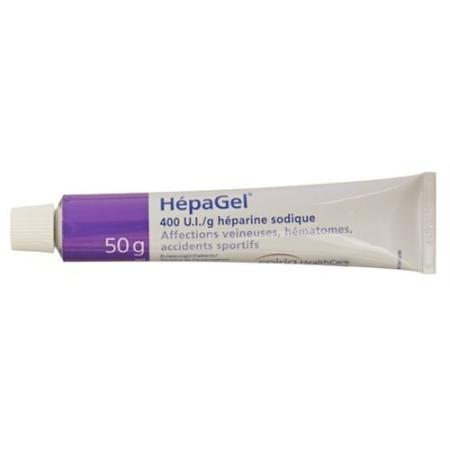
HepaGel Gel Tb 50g
Hepa50 g Gel Gel
Send a request to get a price
In stock 400 pcsActive ingredients:
Natriumhydroxid Glycerol Phenoxyethanol Heparin Heparin natrium Isopropylalkohol CarbomerAnalogues of the product based on the active ingredient
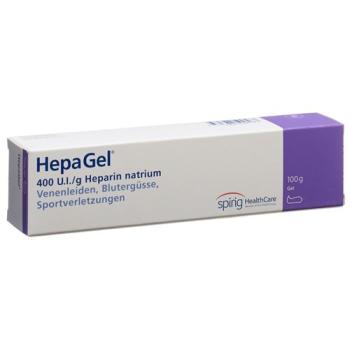
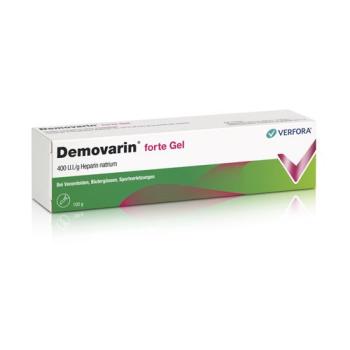
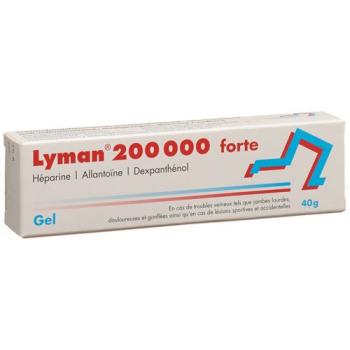
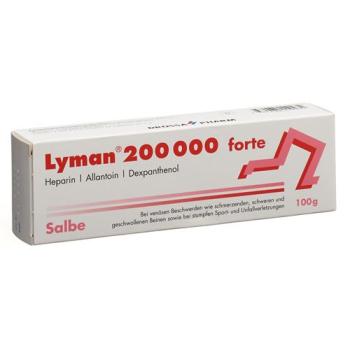
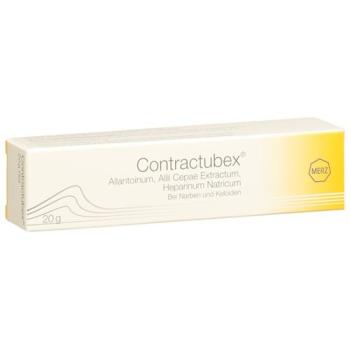
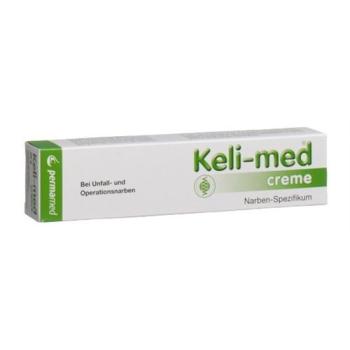
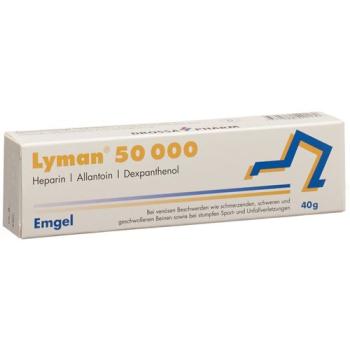
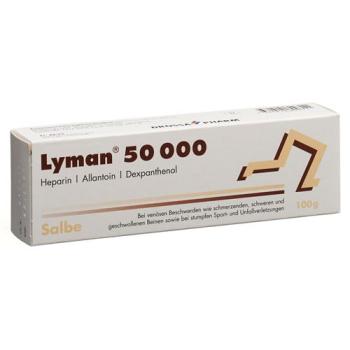
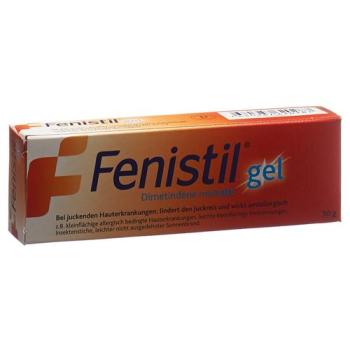
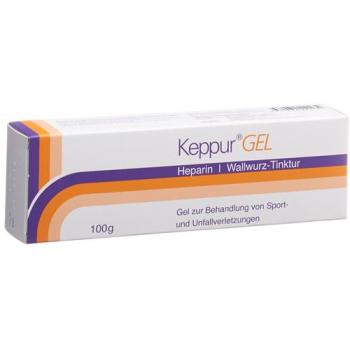
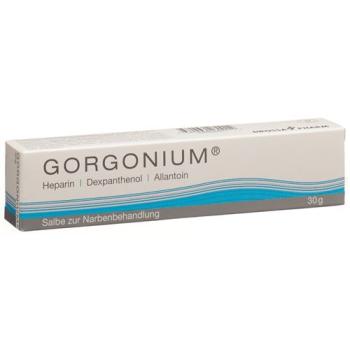
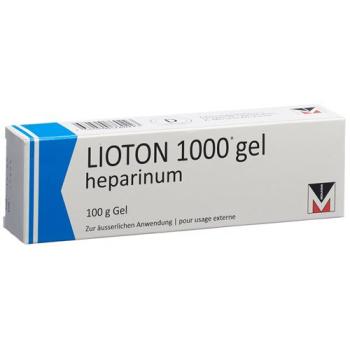
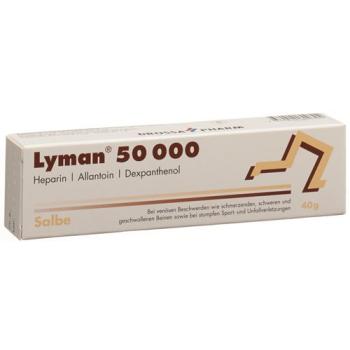
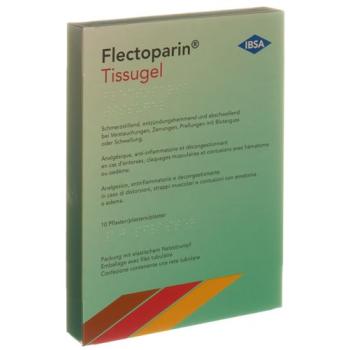
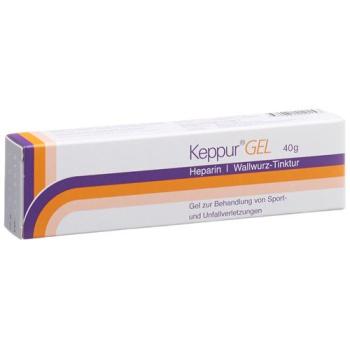
Analogues of the product based on the Anatomical Therapeutic Chemical (ATC) Classification - C05BA03
| Name | Code | EAN | Price | Original | ||
|---|---|---|---|---|---|---|
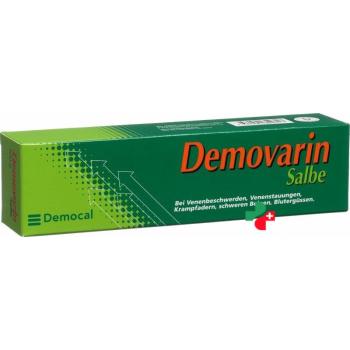 |
Demovarin 100 g Salbe | 2084863 | 7680421340317 | - | Read more | |
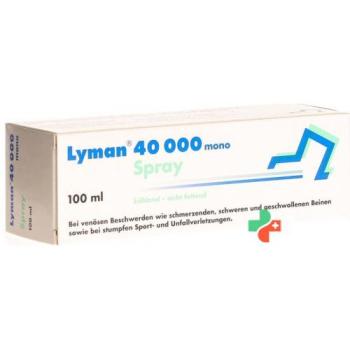 |
Lyman 40000 Mono Spray 100ml | 2882984 | 7680557440110 | - | Read more | |
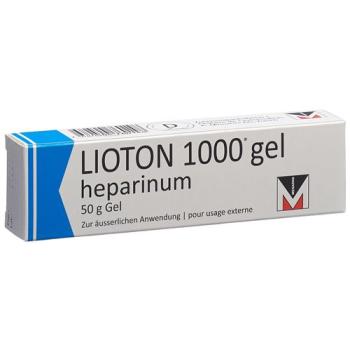 |
Lioton 1000 Gel tube 50g | 1932007 | 7680504760148 | - | Read more | |
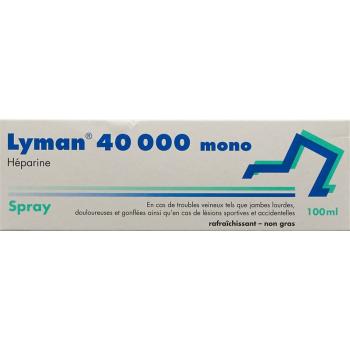 |
LYMAN 40000 Mono Spray (new) | 7805701 | 7680557440011 | - | Read more |
Description - HepaGel Gel Tb 50g
HepaGel is a topical heparin preparation with anticoagulant and anti-inflammatory properties. Its active ingredient promotes the breakdown of superficial bruises, which reduces tissue tension and the associated pain. As an endogenous substance, heparin does not cause irritation. The skin-friendly gel form of HepaGel is easy to apply and has a pleasant cooling effect. HepaGel is used to treat symptoms associated with varicose veins, such as pain, heaviness, swollen legs (stasis edema) and calf cramps. In addition, HepaGel is used to treat blunt sports and accident injuries, such as bruises, bruises, contusions, strains, swelling, pain in muscles and tendons, to loosen hard scars, treat scars and improve scars cosmetically. If prescribed by a doctor, HepaGel is also used to treat superficial thrombosis or phlebitis.
Swissmedic-approved patient information
HepaGel®
AMZVWhat is HepaGel and when is it used? h2>
HepaGel is a topical heparin preparation with anticoagulant and anti-inflammatory properties. Its active ingredient promotes the breakdown of superficial bruises, which reduces tissue tension and the associated pain. As an endogenous substance, heparin does not cause irritation. The skin-friendly gel form of HepaGel is easy to apply and has a pleasant cooling effect. HepaGel is used to treat symptoms associated with varicose veins, such as pain, heaviness, swollen legs (stasis edema) and calf cramps. In addition, HepaGel is used to treat blunt sports and accident injuries, such as bruises, bruises, contusions, strains, swelling, pain in muscles and tendons, to loosen hard scars, treat scars and improve scars cosmetically. If prescribed by a doctor, HepaGel is also used to treat superficial thrombosis or phlebitis.
What should be considered?
Follow the advice of your doctor that goes beyond the actual dosage recommendations, e.g. gymnastics or wearing support stockings. HepaGel does not contain any greasy components and does not attack rubber support stockings.
When must HepaGel not be used?
In the event of hypersensitivity to the active ingredient or one of the excipients according to the composition. If in doubt, compatibility can first be tested on a small area of ??skin. HepaGel should not be used in known heparin-induced/associated thrombocytopenia (HIT, heparin-induced platelet deficiency).
When is caution required when using HepaGel?
HepaGel should only be applied to intact skin, not to open wounds or mucous membranes. Avoid contact with eyes. Massage should not be used in the case of venous diseases that can be traced back to the presence of a blood clot (so-called thromboembolism). If the symptoms persist for a long time or if the symptoms worsen, the doctor should be consulted. Due to the heparin contained in HepaGel, an interaction with medicines that inhibit blood clotting (this includes medicines for blood thinning as well as many painkillers and rheumatism medicines) cannot be completely ruled out. However, a resulting increased risk of bleeding is unlikely, since heparin hardly gets into the bloodstream when HepaGel is used correctly. If you are using HepaGel and the medicines mentioned at the same time, you should ask your doctor for advice. Inform your doctor, pharmacist or druggist if you suffer from other illnesses, have allergies or are taking other medicines (even those you bought yourself!) or using them externally!
Can HepaGel be used during pregnancy or while breastfeeding?
Based on previous experience, there is no known risk for the child if used as directed. Systematic scientific investigations were never carried out. As a precaution, you should avoid taking medicines during pregnancy and breastfeeding or ask your doctor, pharmacist or druggist for advice.
How do you use HepaGel?
The preparation is applied several times a day in a thin layer to the diseased areas and the surrounding skin areas and distributed without pressure. The use and safety of HepaGel in children and adolescents has not yet been tested. Stick to the dosage given in the package leaflet or as prescribed by your doctor. If you think the medicine is too weak or too strong, talk to your doctor, pharmacist or druggist.
What side effects can HepaGel have?
Hypersensitivity reactions to HepaGel ingredients are rare. In these cases, the preparation should no longer be used. If you notice side effects that are not described here, you should inform your doctor, pharmacist or druggist.
What else needs to be considered?
The medicinal product may only be used up to the end of the period marked «EXP.» on the container. designated date are used. Keep at room temperature (15-25°C) and out of the reach of children. Your doctor, pharmacist or druggist can provide you with further information. These people have the detailed information for specialists.
What does HepaGel contain?
1 g of gel contains 400 U.I. Heparin, the preservative phenoxyethanol and excipients.
Approval number
38459 (Swissmedic).
Where can you get HepaGel? What packs are available?
In pharmacies and drugstores, without a doctor's prescription. Tubes of 50 and 100 g.
Authorization holder
Spirig HealthCare AG, 4622 Egerkingen. This leaflet was last checked by the drug authority (Swissmedic) in July 2009.