
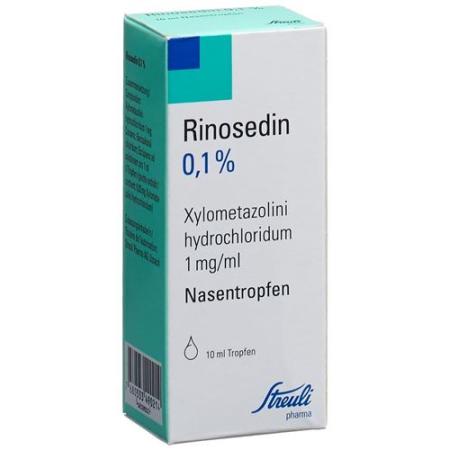
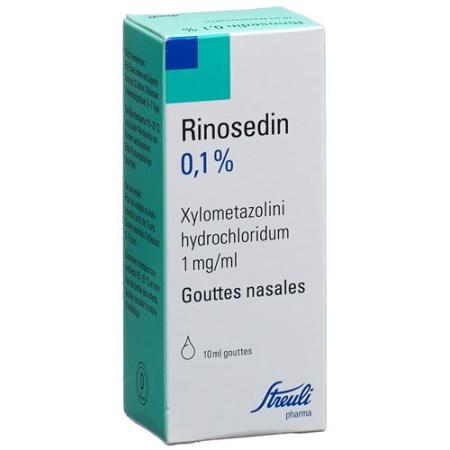
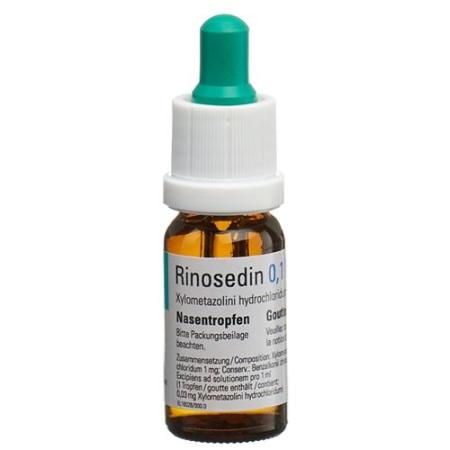
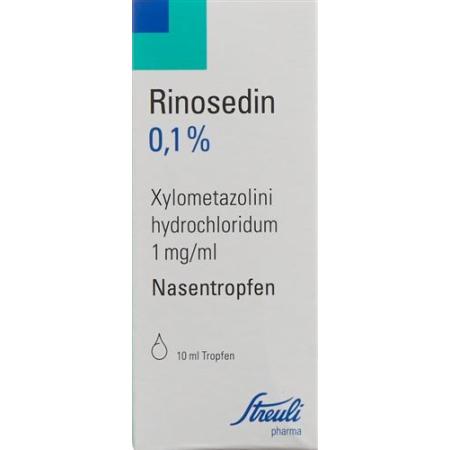
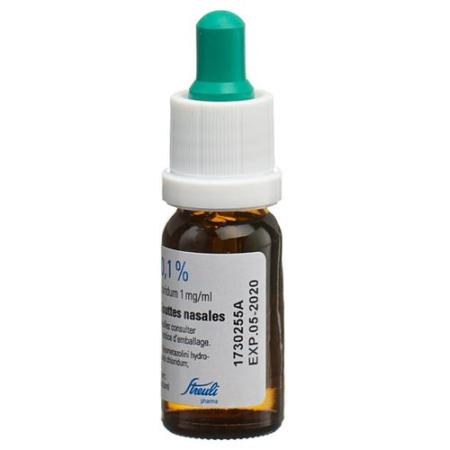
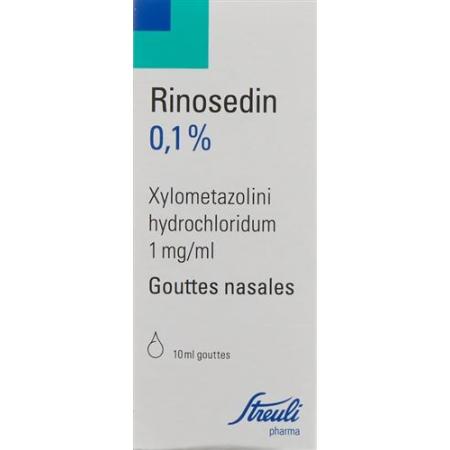
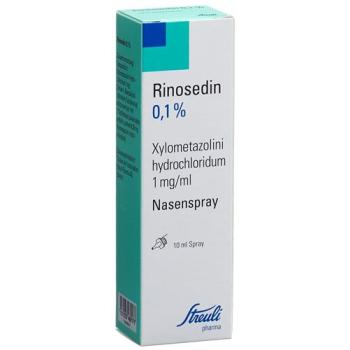
Rinosedin Gtt Nas 0.1% 10ml
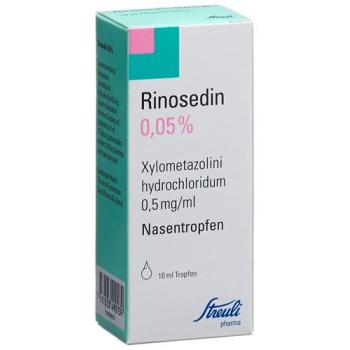
Rinosedin Nasentropfen 0.1% 10 ml
Send a request to get a price
In stock 500 pcsAnalogues of the product based on the Anatomical Therapeutic Chemical (ATC) Classification - R01AA07
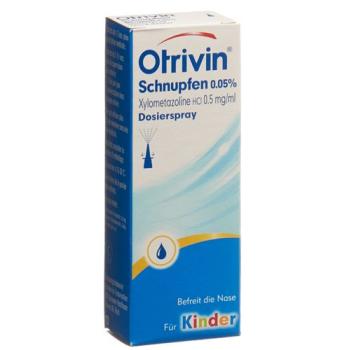
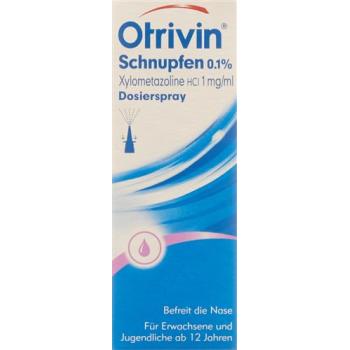
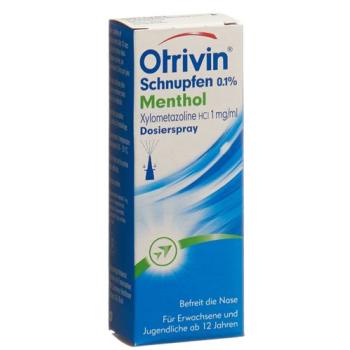
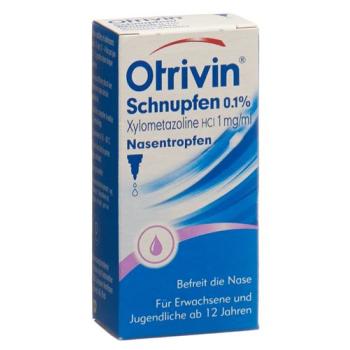
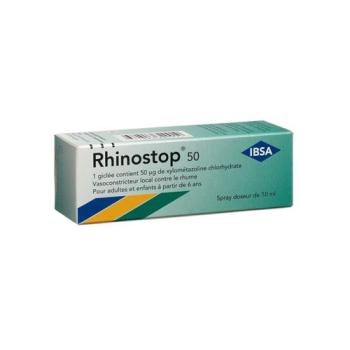
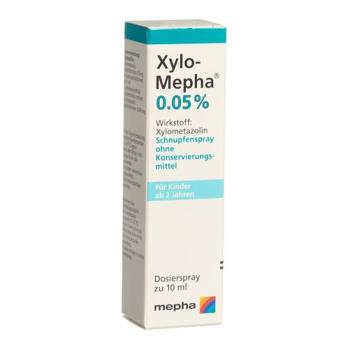
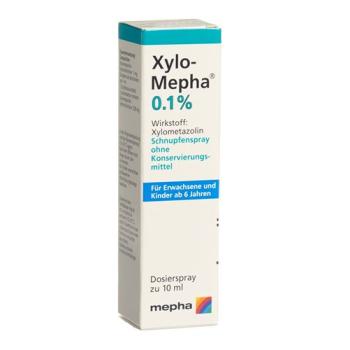
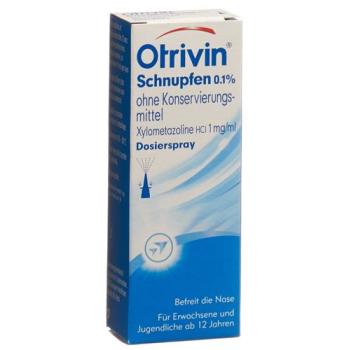
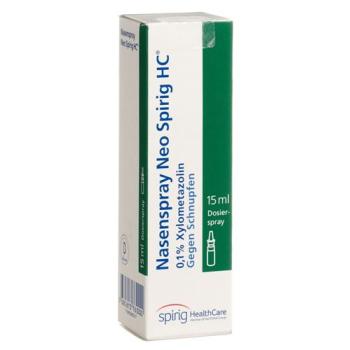
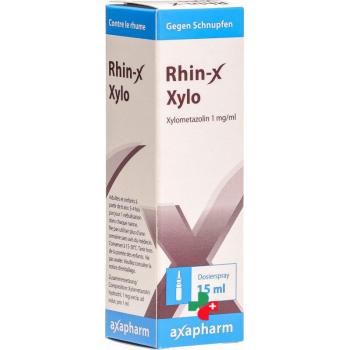
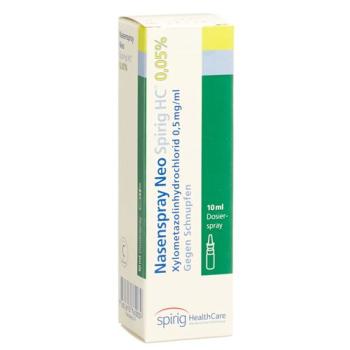
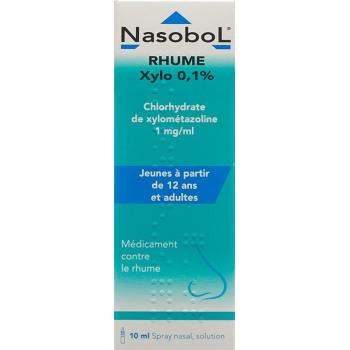
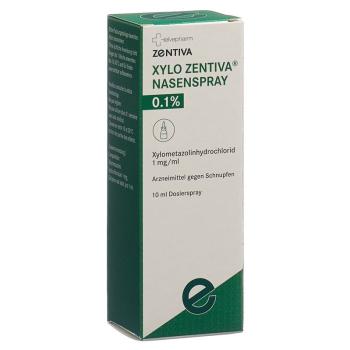
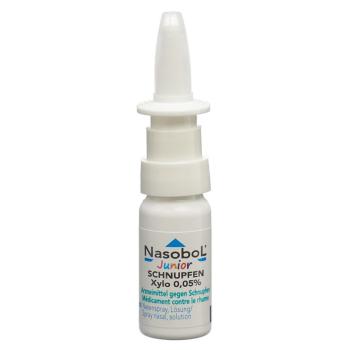
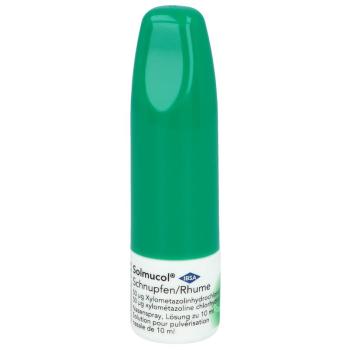
Description - Rinosedin Gtt Nas 0.1% 10ml
Rinosedin is used to treat various types of colds. Rinosedin is intended for use in the nose, where it constricts the blood vessels and thereby reduces swelling of the mucous membrane in the nose and in the adjacent area of ??the throat. This allows you to breathe more freely through your nose when you have a cold. The effect sets in within minutes and lasts for several hours. Rinosedin must not be used for longer than 1 week, since prolonged use can lead to permanent damage to the mucous membranes ("nasal discomfort medicamentosa").
Swissmedic-approved patient information
Rinosedin 0.05%/0.1%, nasal drops
What is Rinosedin 0.05%/0.1% and when will it be is it applied?
Rinosedin is used against various types of colds. Rinosedin is intended for use in the nose, where it constricts the blood vessels and thereby reduces swelling of the mucous membrane in the nose and in the adjacent area of ??the throat. This allows you to breathe more freely through your nose when you have a cold. The effect sets in within minutes and lasts for several hours. Rinosedin must not be used for longer than 1 week, since prolonged use can lead to permanent damage to the mucous membranes ("nasal discomfort medicamentosa").
When should Rinosedin 0.05%/0.1% not be used?
After transnasal surgery (surgical interventions in the nose area where the meninges were exposed) Rinosedin, like other medicines that reduce swelling of the mucous membranes, must not be used. Rinosedin must not be used with:
- very dry or chronically inflamed nasal mucosa (nasal discomfort sicca or nasal discomfort atrophicans),narrow-angle glaucoma (glaucoma, increased intraocular pressure),known hypersensitivity to xylometazoline or an excipient .
When is caution required when using Rinosedin 0.05%/0.1%?
When using Rinosedin sleep and visual disturbances or dizziness can occur as signs of increased sensitivity. Please contact your doctor
- if you find these symptoms very annoying,if your cold persists or gets worse, orif you have additional symptoms. ul>
- High blood pressure, cardiovascular diseases (e.g. long QT syndrome). Patients suffering from long QT syndrome may experience severe cardiac arrhythmia when using RinosedinHyperthyroidismSugar disease (diabetes mellitus) Enlarged prostatePheochromocytoma (a tumor of the adrenal gland)
- suffer from other illnesses,have allergies ortake other medicines (including those you bought yourself!) or use them externally!
In the following cases, Rinosedin should be used with caution and only after consultation with the doctor/pharmacist/chemist:
If you are taking MAO inhibitors (medicines for depression), or have taken them within the last 14 days, you should not take Rinosedin use. If you are taking certain mood-enhancing medicines (tri- or tetracyclic antidepressants) or anti-Parkinson medicines (levodopa), you should also not use this medicine. Rinosedin must not be used for longer than 1 week, since prolonged use can trigger medication-related swelling of the nasal mucosa (nasal discomfort medicamentosa or nasal discomfort atrophicans), the symptoms of which are very similar to a cold. Rinosedin 0.05% should not be used in children under the age of 1 year. For children between 1 and 2 years of age, use only as prescribed by a doctor. Use in children from 2 to 11 years under adult supervision. Rinosedin 0.1% should not be used in children under 12 years of age. Rinosedin should not get in your mouth or eyes. The recommended dosage should not be exceeded, especially in children and elderly patients. This medicinal product contains 0.125 mg benzalkonium chloride per ml. Benzalkonium chloride may cause irritation or swelling of the lining of the nose, especially with prolonged use. Tell your doctor, pharmacist or druggist if you
Can Rinosedin 0.05%/0.1% be used during pregnancy or breastfeeding?
Rinosedin should not be used during pregnancy. Rinosedin should only be used during breast-feeding on medical advice. Ask your doctor, pharmacist or druggist before using any medicines.
How do you use Rinosedin 0.05%/0.1%?
Unless otherwise prescribed by the doctor, the following dosage recommendations apply:
Rinosedin 0.05% nasal drops
Children between 2-11 years: use only under adult supervision. Usually 1-2 drops of the 0.05% solution in each nostril 1-2 times a day is sufficient, with no more than 3 applications per day. Children between 1 and 2 years of age: use only as prescribed by a doctor. Children under 1 year: The preparation should not be used.
Rinosedin 0.1% nasal drops
Only for adults and adolescents aged 12 and over. 2-3 drops of 0.1% solution in each nostril. Repeat if necessary, 3-4 applications per day should not be exceeded. The last application of the day should preferably be just before bedtime.
Application instructions:
Before use, the nose should be thoroughly cleaned (blow your nose). Bend your head back slightly. Place the drops in each nostril and tilt your head back for a few moments to allow the drops to distribute. Clean and dry the dropper before screwing it back onto the bottle. Rinosedin should not be used for more than 1 week. If you use more Rinosedin than you should, you should tell your doctor immediately. Poisoning can occur from significant overdose or from accidental ingestion of the drug. Stick to the dosage given in the package leaflet or as prescribed by your doctor. If you think the medicine is too weak or too strong, talk to your doctor, pharmacist or druggist.
What side effects can Rinosedin 0.05%/0.1% have?
Stop using Rinosedin and seek medical help immediately if you or your child is diagnosed with any of the following; it could be an allergic reaction:
- Difficulty breathing or swallowingSwelling of the face, lips, tongue and/or throatIntense itching with a red rash and/or bumps on the skin Irregular heartbeat
Common side effects (affects 1 to 10 users in 100):
Dryness and irritation of the Nasal mucosa, nausea, headache and local burning sensation.
Very rare side effects (affects less than 1 in 10,000 people):
Allergic reactions (rash, itching), temporary blurred vision, irregular or accelerated heartbeat, drug-related caused swelling of the nasal mucosa (nasal discomfort medicamentosa).
Frequency unknown:
nosebleedsIf you notice side effects that are not described here, you should inform your doctor, pharmacist or druggist.
What else needs to be considered?
The medicinal product may only be used up to the date marked «EXP» on the container. Store at room temperature (15-25°C) and out of the reach of children. Your doctor, pharmacist or druggist can provide you with further information. These people have the detailed information for specialists.
What does Rinosedin 0.05%/0.1% contain?Active ingredients
Rinosedin 0, 1% nasal drops for adults contain 1 mg/ml xylometazoline hydrochloride. Rinosedin 0.05% nasal drops for children contain 0.5 mg/ml xylometazoline hydrochloride. (1 drop of Rinosedin 0.1% nasal drops contains 0.03 mg xylometazoline hydrochloride; 1 drop of Rinosedin 0.05% nasal drops contains 0.015 mg xylometazoline hydrochloride).
Excipients
Benzalkonium chloride (0.125 mg/ml), sodium monohydrogen phosphate, sodium dihydrogen phosphate dihydrate, purified water.
Approval number
53349 (Swissmedic).
Where can you get Rinosedin 0.05%/0.1%? What packs are available?
In pharmacies and drugstores without a doctor's prescription. Bottles of 10 ml.
Authorization holder
Streuli Pharma AG, 8730 Uznach. This leaflet was last checked by the drug authority (Swissmedic) in February 2022.