

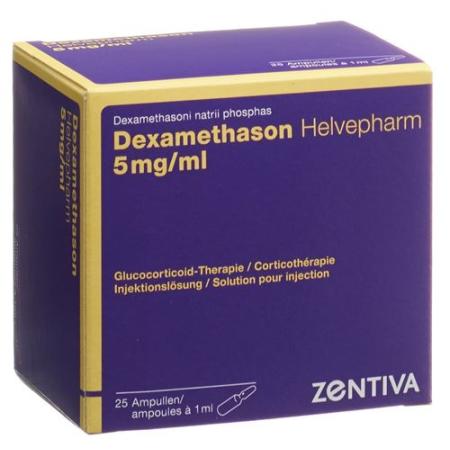
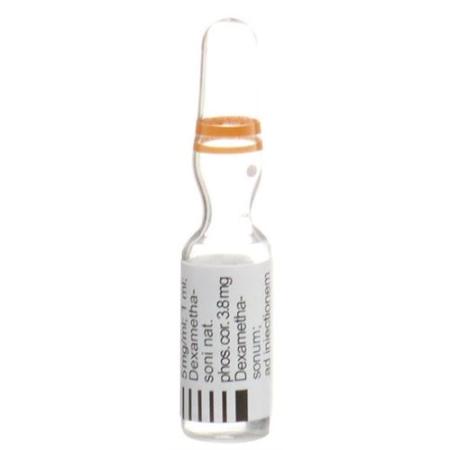
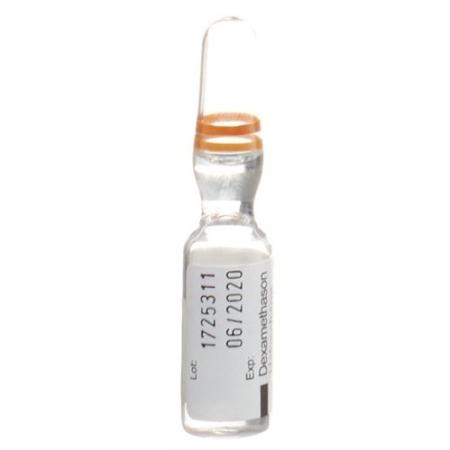

Dexamethasone Helvepharm Inj Loes 5mg/ml 25amp 1ml
Dexamethason Helvepharm 5 mg/ml 25 Ampullen
Send a request to get a price
Not availableAnalogues of the product based on the Anatomical Therapeutic Chemical (ATC) Classification - H02AB02
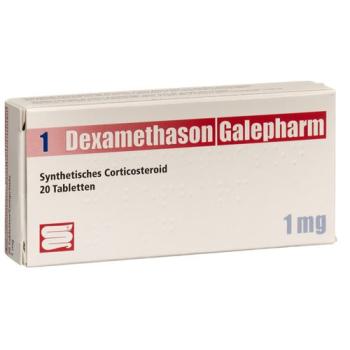
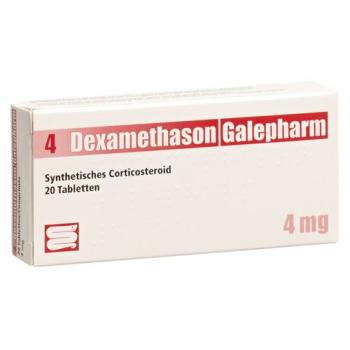
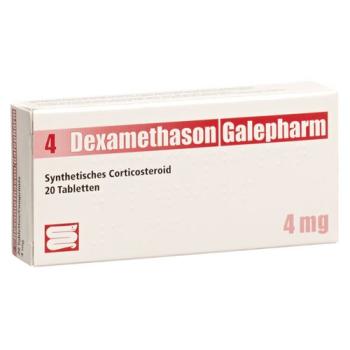
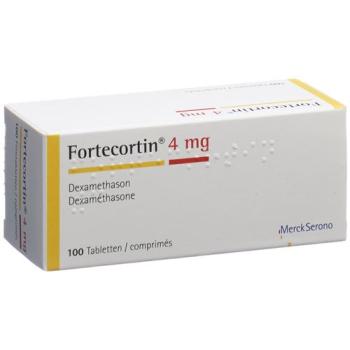
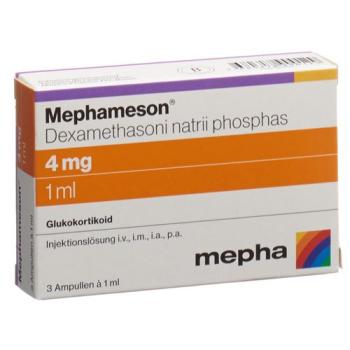
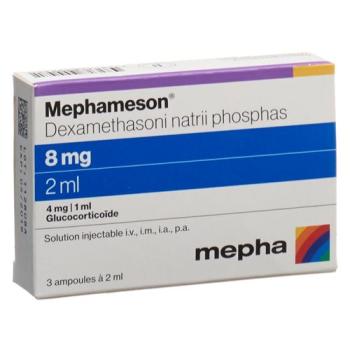
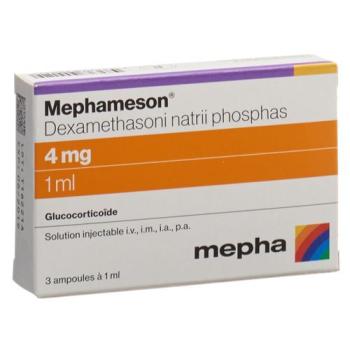
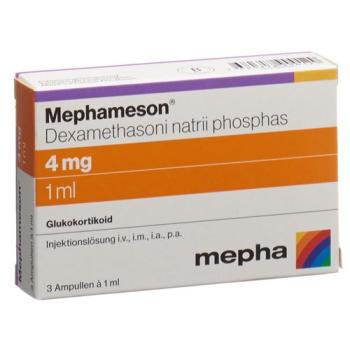
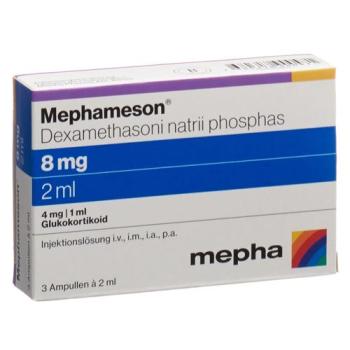
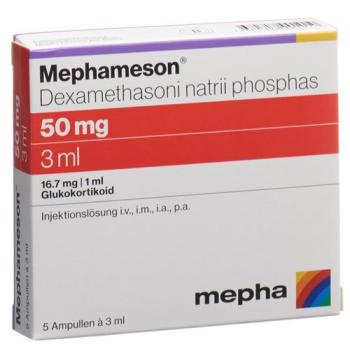
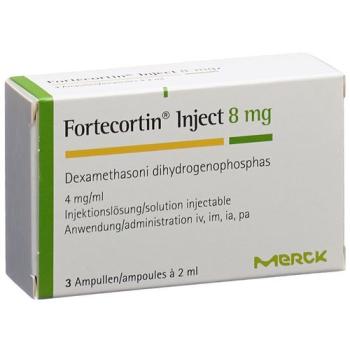
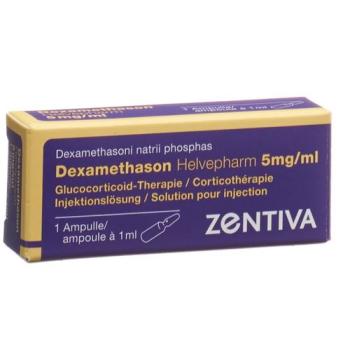
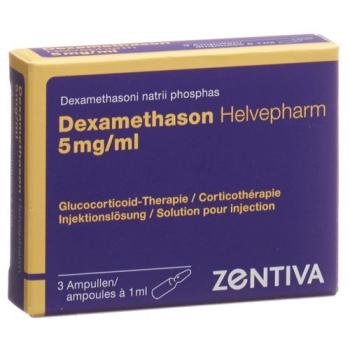
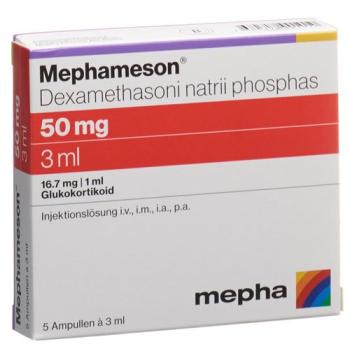
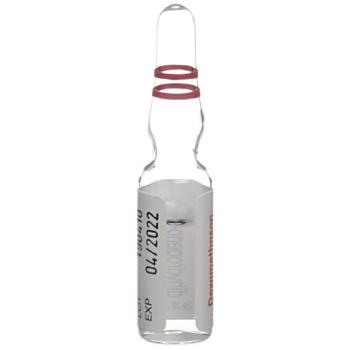
Description - Dexamethasone Helvepharm Inj Loes 5mg/ml 25amp 1ml
Composition
Active ingredients
Dexamethasoni natrii phosphas.
Auxiliary materials
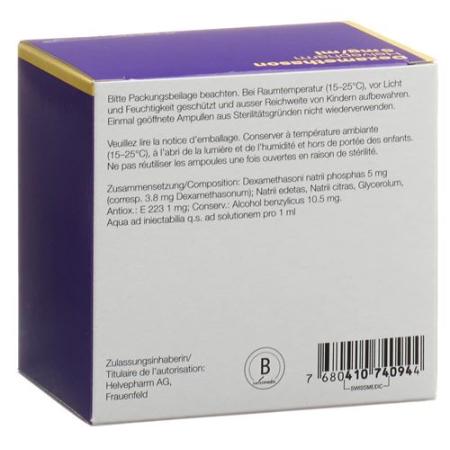
Natrii edetas, Natrii citras, Natrii hydroxidum, Glycerolum, Antiox .: E 223 1 mg, Conserv .: Alcohol benzylicus 10.5 mg, Aqua ad iniectabilia qs ad solutionem per 1 ml.
Dosage form and amount of active ingredient per unit
Solution for injection: ampoules of 5 mg / ml (equivalent to 3.8 mg dexamethasone).
Indications / possible usesIntravenous injection
This should only take place in acute life-threatening situations such as: shock after severe trauma (in substituted patients), status asthmaticus, anaphylactic shock (after [nor-] adrenaline injection), incidents during blood transfusions, myocardial infarctionDexamethason Helvepharm is used to treat coronavirus disease 2019 (COVID-19) in adults and adolescents (aged at least 12 years and weighing at least 40 kg) who require additional oxygen.
Intramuscular and subcutaneous injection
This takes place in acute but not life-threatening situations in which the doctor wants to be certain about the amount of corticosteroid administered to the patient. It is of course also indicated in all those cases in which oral administration is not possible, such as unconsciousness, gastrointestinal disorders or during anesthesia.The main indications are:Replacement therapy (in addition to the administration of a mineralocorticoid for primary or secondary adrenal insufficiency and adrenogenital syndrome), acute rheumatic diseases, bronchial asthma, severe agranulocytosis, thyroiditis, lupus erythematosus, pemphigus and therapy, acute dermatitis, dermatomylaxis of cytotoxic-induced vomiting.
Intra-articular injection
In all large and small joints with the exception of the intervertebral ones: osteoarthritis, hydrarthrosis, inflammatory arthritis.
Periarticular injection
Humeroscapular periarthritis, humeric epicondylitis, tendovaginitis.
Infiltration of the diseased area
Soft tissue rheumatism, tendon and muscle strain, keloid, Dupuytren's contracture, clavi, ganglia.
Dosage / application
Dexamethasone Helvepharm can be injected intravenously, intramuscularly, subcutaneously, or locally, or infiltrated into the diseased area.
Intravenous injection
The intravenous injection must be given slowly over a period of 4-5 minutes per 1 ml.Dosage: The usual dose for emergencies is 4?20 mg, depending on the severity of the clinical picture. This dose can be repeated until the patient responds sufficiently.For the treatment of COVID-19, adult patients will receive 6 mg intravenously once daily for up to 10 days.The duration of treatment depends on the clinical response and the individual needs of the patient.
Intramuscular and subcutaneous injection
4?8 mg daily.
Intra-articular injection
Large joints: 4?6 mg.Small joints: 0.8?2 mg.A single injection is usually sufficient.
Periarticular injection
2-4 mg. Repeat this injection if necessary.
Infiltration of the diseased area
1-4 mg.Intra-articular and peri-articular injections should be performed strictly aseptically (see ?Warnings and precautions? and ?Adverse effects?).
Dosage in children
In small children and children, doses lower than those given above are generally sufficient, but the dosage should be based more on the severity of the disease than on age, body weight or height.For pediatric patients (adolescents 12 years of age and older), a dose of 6 mg intravenous once daily for a period of up to 10 days is recommended for the treatment of COVID-19. The duration of treatment depends on the clinical response and the individual needs of the patient. Limited data are available for patients under the age of 18.In the event that Dexamethason Helvepharm is to replace therapy with another glucocorticoid, the equivalent doses must be taken into account (see «Properties / Effects»).
Elderly patients, patients with renal or hepatic insufficiency
No dose adjustments are required to treat COVID-19.
Contraindications
With systemic use: gastric and intestinal ulcers, systemic fungal infections, certain viral infections such as varicella, genital herpes, herpes corneae; Glaucoma.With local application: Infections at the injection site, eg infectious arthritis due to gonorrhea or tuberculosis, bacteremia or systemic fungal infections; unstable joint.For all types of administration: hypersensitivity to dexamethasone, hypersensitivity to drugs, food or luxury goods containing sulfite; Asthmatics, newborns and premature babies (see «Adverse effects»).Dexamethason Helvepharm must not be used intrathecally or epidurally because of its benzyl alcohol content.In general, however, there are no contraindications for conditions in which the administration of glucocorticoids can be life saving.
Warnings and Precautions
Pheochromocytoma crisis:Pheochromocytoma crisis, which can be fatal, has been reported following the use of corticosteroids. Corticosteroids should only be used in patients with suspected or diagnosed pheochromocytoma after an appropriate risk-benefit assessment.In COVID-19 patients who are already being treated with systemic (oral) corticosteroids for other reasons (e.g. patients with chronic obstructive pulmonary disease) but who do not require additional oxygen, the systemic corticosteroids should not be discontinued.Long-term use of dexamethasone beyond emergency therapy must not be used in the following cases:gastrointestinal ulcers;Herpes simplex;Herpes zoster (viremic phase);Varicella;about 8 weeks before to 2 weeks after vaccinations;Amoebic infection;Systemic mycoses;Poliomyelitis (with the exception of the bulbar encephalitic form);Lymphoma after BCG vaccination;severe hypertension;Narrow and wide angle glaucoma;severe heart failure;severe osteoporosis;Diabetes mellitus;Renal failure;psychiatric history;Pregnancy.In such cases, the benefits of dexamethasone therapy should be carefully weighed against possible adverse effects.In acute cerebral edema and status asthmaticus, Dexamethason Helvepharm should not be used as a replacement for conventional treatment, but in addition to it.Corticosteroids can mask the symptoms of an infection, and new infections can develop with corticosteroid therapy.In acute and chronic infectious diseases, the infection must be kept under control with antibiotics or chemotherapeutic agents.When using a live vaccine, the immunosuppressive effect of the glucocorticoid must be taken into account.The simultaneous administration of dexamethasone Helvepharm with strong inhibitors of CYP3A4 should be avoided (see «Interactions»).Varicella that occur during systemic treatment with corticosteroids can become severe and be fatal, especially in children. They require immediate treatment, eg with iv acyclovir. For high-risk patients, prophylaxis with acyclovir or passive immunoprophylaxis with varicella-zoster immunoglobulin is indicated.With long-term therapy and especially with diabetes mellitus, the glucose metabolism should be checked regularly, as the glucose tolerance can be reduced.Caution is also advised with liver cirrhosis and hypothyroidism, since in such cases the effect of glucocorticoids is increased, as well as with myasthenia gravis, if cholinesterase inhibitors are given at the same time.In postmenopausal and geriatric patients, in whom the risk of osteoporosis is increased, parenteral treatment with glucocorticoids should only be carried out if the indication is strict and the risk-benefit ratio is carefully considered.After parenteral administration of glucocorticoids, severe anaphylactic reactions such as glottic edema and bronchospasm have been observed in rare cases, mainly in patients with a history of allergies. In such cases, intensive medical care is required for the patient (slow intravenous injection of 0.1?0.5 mg adrenaline, artificial respiration).Repeated intramuscular, intraarticular and sublesional administration of dexamethasone (or another glucocorticoid) can lead to severe local tissue damage (up to atrophy and necrosis).Infants and children on long-term dexamethasone therapy should be carefully monitored for growth and development because of the risk of premature epiphyseal closure.It can lead to increased intraocular pressure. Usually this is reversible, but irreversible glaucoma and blindness can occur in genetically predisposed individuals and diabetics. The intraocular pressure should therefore be measured regularly in patients who are on long-term corticosteroid therapy.
Interactions
Interactions with strong CYP3A4 inhibitors: Corticosteroids (including betamethasone) are metabolized by CYP3A4. Simultaneous administration with strong CYP3A4 inhibitors (e.g. ketoconazole, itraconazole, clarithromycin, ritonavir, products containing cobicistat) can lead to increased exposure to corticosteroids and thus to an increased risk of side effects of systemic corticosteroids. Careful consideration should be given to the benefit of concomitant administration versus the potential risk of the effects of systemic corticosteroids, in which case patients should be monitored for side effects of systemic corticosteroids.Substances that induce liver enzymes, such as phenytoin, phenobarbital and rifampicin, can accelerate the metabolic breakdown of corticosteroids and thus lead to decreased plasma levels and decreased physiological effects. On the other hand, glucocorticoids can be increased in their effect when estrogens are administered at the same time. The steroid dose may need to be adjusted accordingly.Acetylsalicylic acid in combination with corticosteroids should be administered cautiously in patients with hypoprothrombinemia.Potassium flushing diuretics may increase the potassium flushing effect of glucocorticoids. Therefore, these patients should be carefully monitored for hypokalaemia. This is particularly true for patients concomitantly receiving cardiac glycosides, as corticosteroid-induced hypokalaemia increases the toxicity of these drugs.It has rarely been observed that corticosteroids increase the coagulability of the blood and that patients on oral anticoagulation therapy require a higher dose.With non-steroidal anti-inflammatory drugs / anti-inflammatory drugs, there may be an increased risk of gastrointestinal bleeding due to the increased risk of gastrointestinal ulcerations.If salicylates are co-administered during long-term treatment with glucocorticoids, caution should be exercised in reducing the dose of the glucocorticoid, as salicylate poisoning may occur in such cases.Antidiabetic drugs taken at the same time can be reduced in their blood sugar-lowering effect, so that an increase in the need for antidiabetic drugs may be necessary.Ephedrine increases dexamethasone clearance in the blood and the urinary excretion of its metabolite.Atropine and other cholinergics can lead to a further increase in an already high intraocular pressure.In patients with myasthenia gravis, corticosteroids can reduce the effect of cholinesterase inhibitors (see ?Warnings and precautionary measures?).
Pregnancy / lactation
Animal studies have shown undesirable effects on the fetus and no controlled human studies exist. Dexamethasone crosses the placental barrier.With long-term therapy during pregnancy, intrauterine growth disorders cannot be ruled out, and treatment at the end of pregnancy poses a risk for the fetus of atrophy of the adrenal cortex, which may require gradual substitution therapy in the newborn. Therefore, like all corticosteroids, Dexamethason Helvepharm should only be used during pregnancy, especially in the first three months, after carefully weighing the risk / benefit ratio. In the case of an existing indication, prednisolone (or prednisone) should be preferred to all others - especially the fluorinated glucocorticoids, as it has the lowest placenta penetration.Patients should be encouraged to contact their doctor in the event of a suspected pregnancy or pregnancy.Corticosteroids are excreted in breast milk and can impair the infant's growth and adrenal function or cause other undesirable effects. Mothers receiving therapeutic doses of corticosteroids should therefore stop breastfeeding.
Effects on ability to drive and use machines
No such studies have been performed with Dexamethasone Helvepharm.
Unwanted effects
The frequency and severity of undesirable corticosteroid side effects depend on the duration of treatment and dosage as well as the patient's age, gender and underlying disease. Short-term use of glucocorticoids, even in high doses, hardly causes any side effects. With prolonged use, high-dose use, ie if the Cushing threshold dose (> 1.5 mg dexamethasone per day) is exceeded, the following effects can occur:Infections and infestations: increased susceptibility to infections.Immune system disorder: decreased responsiveness to vaccinations and skin tests; Hypersensitivity reactions (see «Warnings and precautionary measures»).Endocrine disorders: trunk obesity, lunar face, hirsutism, dysfunction of the hypothalamus-pituitary-adrenal axis up to adrenal atrophy, which can last for a year or longer and means a life-threatening risk for the patient in stressful and stressful situations.Metabolism and nutrition disorders: negative nitrogen and calcium balance, reduced glucose tolerance (especially in diabetes mellitus), sodium and water retention, weight gain, potassium and phosphate loss, hypokalemic alkalosis.Psychiatric disorders: mental disorders (from euphoric to genuinely psychotic manifestations).Nervous system disorders: convulsions, in children pseudotumor cerebri (benign intracranial hypertension) with vomiting and papillae.Eye disorders: increased intraocular pressure, subcapsular cataract.Vascular dysfunction: increased risk of thrombosis, hypertension, edema.Gastrointestinal disorders: peptic ulceration with the possibility of hemorrhage or perforation, pancreatitis, mild gastrointestinal complaints such as nausea and vomiting, increased appetite.Functional disorders of the skin and subcutaneous tissue : delayed wound healing, erythema, striae, petechiae, ecchymoses, acne, skin thinning; increased sweating.Functional disorders of the musculoskeletal system, connective tissue and bones: osteoporosis, aseptic bone necrosis, myopathy, premature epiphyseal closure in children and adolescents (see «Warnings and precautionary measures»).Reproductive system and breast disorders: menstrual disorders.Reactions at the application site: erythematous reactions after the injection and painless joint destruction, similar to Charcot arthropathy, especially with repeated intra-articular injections.Investigations: decreased responsiveness to skin tests.With local infiltration, atrophy of the subcutaneous adipose tissue is possible (treatment of epicondylitis).With the exception of osteoporosis, aseptic bone necrosis and growth disorders in childhood, the possible side effects after discontinuing therapy with dexamethasone are mostly reversible, depending on the dose and duration.Dexamethason Helvepharm contains benzyl alcohol and sodium disulfite (E 223) as excipients.Benzyl alcohol can in rare cases cause hypersensitivity reactions (e.g. skin reactions, angioedema), and case reports of persistent neuropsychiatric deficiencies and cross-system organ insufficiencies have been associated with benzyl alcohol. Therefore, the preparation should not be administered to newborns, especially premature babies.Sodium disulfite can cause allergic reactions including anaphylactic shock and life-threatening asthma attacks, nausea and diarrhea in sensitive patients. The prevalence in the population is unknown. However, sulfite hypersensitivity is more often seen in asthmatics than non-asthmatics. Dexamethason Helvepharm should therefore not be administered to patients with asthma or who are hypersensitive to preparations containing sulfites (food and beverages, other drugs).The reporting of suspected side effects after approval is of great importance. It enables continuous monitoring of the benefit-risk balance of the medicinal product. Health professionals are requested to report any suspected new or serious side effects via the online portal ElViS (Electronic Vigilance System). You can find information on this at www.swissmedic.ch.
Overdose
Acute corticosteroid overdose intoxication is uncommon and the likelihood of serious effects is small. In case of overdose there is no specific antidote, treatment is symptomatic.In the event of a chronic overdose, an increase in undesirable effects and the risks described under "Warnings and precautionary measures" can be expected.
Properties / effectsATC code
H02AB02Dexamethason Helvepharm ampoules contain dexamethasone-21-phosphate sodium, which is readily soluble and can be mixed with local anesthetics. Dexamethason Helvepharm ampoules are suitable for all types of parenteral administration. Dexamethasone is a synthetic glucocorticoid with an anti-inflammatory effect about 7 times stronger than prednisolone and about 30 times stronger than the natural adrenal cortex hormone cortisone. It is characterized in particular by its low mineralocorticoid effect and its low water and salt-retaining effect and is therefore particularly suitable for use in patients with cardiac insufficiency or hypertension. Since dexamethasone is also characterized by a long biological half-life (36?54 hours), it is especially suitable for those indications where continuous glucocorticoid action is desired. The strong anti-inflammatory and immunosuppressive (anti-allergic) effect is of particular therapeutic importance.The relative equivalent dose of dexamethasone compared to other glucocorticoids is: 1 mg dexamethasone = 6 mg triamcinolone or methylprednisolone = 7.5 mg prednisone or prednisolone = 30 mg hydrocortisone = 35 mg cortisone.
Mechanism of action
so
Pharmacodynamics
so
Clinical effectiveness
so
To treat COVID-19
The RECOVERY study (Randomized Evaluation of COVid-19 therapy,) 1 is a research-initiated, individually randomized, controlled, open, adaptive platform study to evaluate the effect of possible treatments on patients treated for COVID-19 in hospital .The study was carried out in 176 hospitals in the UK.6425 patients were randomized to receive either dexamethasone (2104 patients) or the usual standard therapy (4321 patients). SARS-CoV-2 infection was confirmed in the laboratory in 89% of the patients.When randomized, 16% of the patients were already receiving invasive mechanical ventilation or extracorporeal membrane oxygenation, 60% received oxygen only (with or without non-invasive ventilation) and 24% received no respiratory support.The mean age of the patients was 66.1 +/- 15.7 years. 36% of the patients were female. 24% of the patients had a history of diabetes, 27% had cardiovascular disease and 21% a chronic lung disease.
Primary endpoint
The 28-day mortality rate was significantly lower with 482 deaths in 2104 patients (22.9%) in the dexamethasone group than in the standard therapy group with 1110 of 4321 patients (25.7%) (rate ratio, RR): 0.83; 95% confidence interval [CI]: 0.75-0.93; P In the dexamethasone group, the mortality rate was higher in the patients who received invasive mechanical ventilation (29.3% vs. 41.4%; RR: 0.64; 95% CI: 0.51-0.81) as well in the patients who received only supplemental oxygen without invasive mechanical ventilation (23.3% vs. 26.2%; RR: 0.82; 95% CI: 0.72-0.94), lower than in the standard therapy group .There was no clear effect of dexamethasone in patients who were randomized to receive no respiratory support (17.8% vs. 14.0%; RR: 1.19; 95% CI: 0.91-1.55).
Secondary endpoints
The patients in the dexamethasone group had a shorter stay in the hospital than those in the standard therapy group (median, 12 days vs. 13 days) and a greater probability of being discharged from the hospital within 28 days (RR: 1.10; 95% -KI: 1.03-1.17).In agreement with the primary endpoint, the greatest effect on hospital discharge within 28 days was seen in patients who received invasive mechanical ventilation after randomization (RR: 1.48; 95% CI: 1.16-1.90), followed by the group that received oxygen only (RR: 1.15; 95% CI: 1.06-1.24). There was no positive effect in patients who received no oxygen (RR: 0.96; 95% CI: 0.85-1.08).1) www.recoverytrial.net
Table 1:
ResultDexamethasone | |||
Number / total number of patients (%)Primary result28-day mortality482/2104 (22.9)1110/4321 (25.7)0.83 (0.75-0.93) Secondary resultsDischarge from hospital within 28 days143/2104 (67.2)2745/4321 (63.5)1.10 (1.03-1.17)Invasive mechanical ventilation or death 3456/1780 (25.6)994/3638 (27.3)0.92 (0.84-1.01)Invasive mechanical ventilation102/1780 (5.7)285/3638 (7.8)0.77 (0.62-0.95)death387/1780 (21.7)827/3638 (22.7)0.93 (0.84-1.03) | |||
2) RR were age-adjusted for the results of 28-day mortality and hospital discharge. RR were age-adjusted for outcome of maintenance of invasive mechanical ventilation or death and its sub-components.3) Patients who were already receiving invasive mechanical ventilation when randomized were excluded from this category.
safety
There were four study treatment-related Serious Adverse Events (SAEs): two hyperglycemic SAEs, one steroid-induced psychosis SAE, and one upper gastrointestinal haemorrhage SAE. All events subsided.
Subgroup analyzesTable 2Effects of assignment to the DEXAMETHASONE group on 28-day mortality, according to age and randomly received respiratory support 4
 4) (Source: Horby P. et al., 2020; https://www.medrxiv.org/content/10.1101/2020.06.22.20137273v1; doi: https://doi.org/10.1101/2020.06.22.20137273)
Table 3Effects of assignment to the DEXAMETHASONE group on 28-day mortality, according to the randomized ventilation support and history of a chronic illness 5
 5) (Source: Horby P. et al., 2020; https://www.medrxiv.org/content/10.1101/2020.06.22.20137273v1; doi: https://doi.org/10.1101/2020.06.22.20137273)
Pharmacokineticsabsorption
Dexamethasone phosphate is rapidly absorbed after intramuscular injection and is almost completely hydrolyzed to dexamethasone.After iv injection, maximum plasma concentrations are reached within a few minutes. However, the maximum pharmacological effect is delayed (approximately 2 hours after injection) and lasts longer than the plasma half-life.
distribution
The total volume of distribution of dexamethasone is approximately 0.58 l / kg. Depending on the dose, up to 77% of the active ingredient is bound to plasma proteins, especially to the albumin fraction. Maximum dexamethasone concentrations are present in the CSF 4 hours after intravenous administration (approx. 15?20% of the plasma concentration). The decrease in the concentration of dexamethasone in the CSF occurs very slowly; about 2/3 of the maximum concentration can still be found after 24 hours. Dexamethasone crosses the placenta, 54% of which is metabolized to an inactive ketosteroid derivative; it also passes into breast milk.
metabolism
n / A
elimination
Dexamethasone and its metabolites are mainly excreted through the kidneys. Clearance takes place via extrarenal, presumably hepatic, biotransformation mechanisms. 60% of a dose appears in glucuronized form within 24 hours and less than 10% as free dexamethasone in the urine. The total plasma clearance is 2?5 ml / min. / Kg. The elimination half-life is between 3 and 4.5 hours.
Kinetics of special patient groups
In severe liver diseases (e.g. hepatitis, liver cirrhosis) and hypothyroidism, the elimination half-life of dexamethasone is prolonged. Plasma clearance is lower in newborns than in children and adults.
Preclinical data
Long-term studies on animals for a tumorigenic potential are not available.Dexamethasone has not been adequately studied for mutagenic effects.
Reproductive toxicity
In animal experiments, dexamethasone causes cleft palates in mice, rats, hamsters, rabbits and dogs and, to a lesser extent, other malformations.
Other notesIncompatibilities
No. The content can be mixed with local anesthetics.
Influencing diagnostic methods
Increased serum digoxin levels in the immunoassay.Decrease in plasma cortisone, potassium, estrogens.Disorder of glucose tolerance.Decreased levels of prolactin.Decreased TSH, FSH, LH levels.Decreased GH response to various stimuli.Elevated T3 levels.
durability
The drug may only be used up to the date marked ?EXP? on the pack.
Special storage instructions
Dexamethason Helvepharm ampoules must be protected from light and moisture, stored at room temperature (15-25 ° C) and out of the reach of children.
Approval number
41074 (Swissmedic).
Marketing authorization holder
Helvepharm AG, Frauenfeld.??