

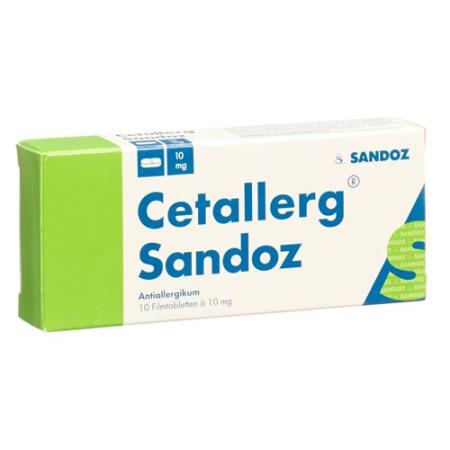
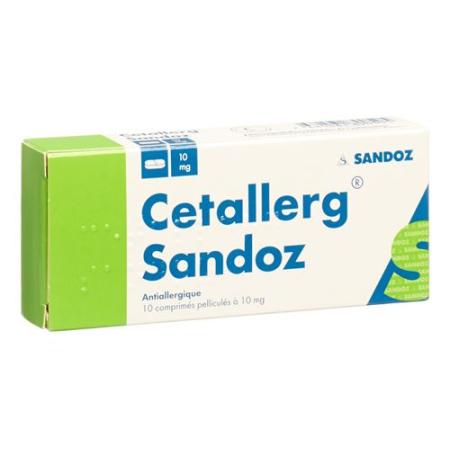
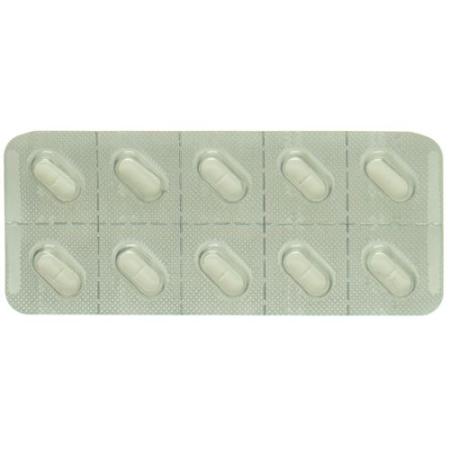
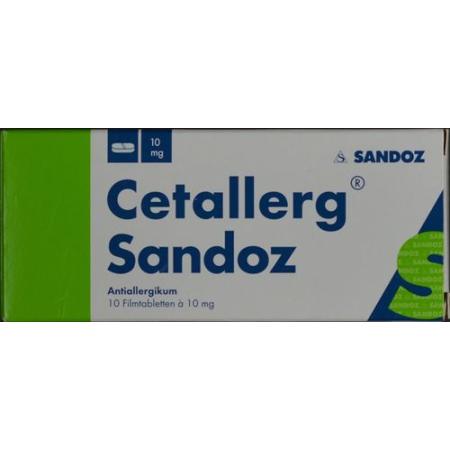
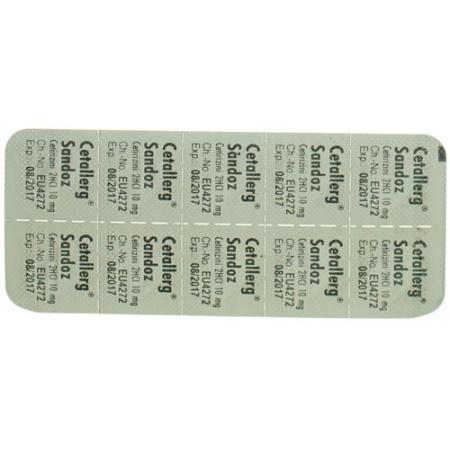
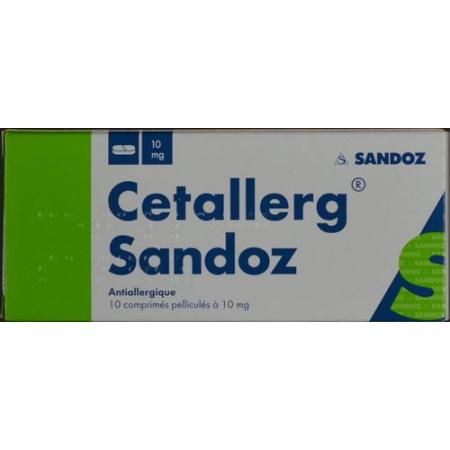
Cetallerg Sandoz Filmtabl 10 mg 10 pcs
Cetallerg Sandoz 10 mg 10 filmtablets
Send a request to get a price
In stock 500 pcsAnalogues of the product based on the Anatomical Therapeutic Chemical (ATC) Classification - R06AE07

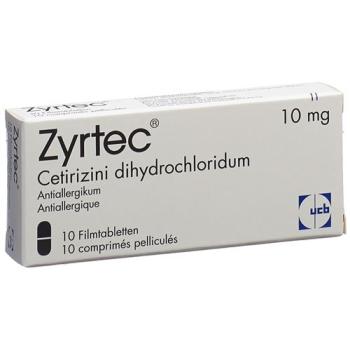
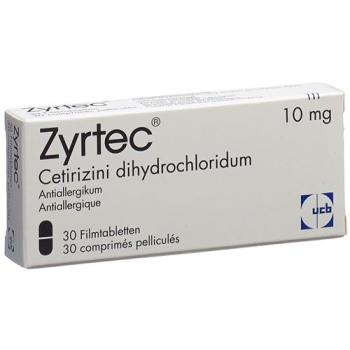
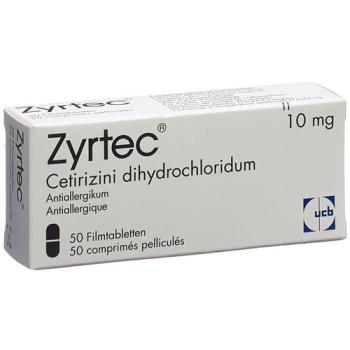
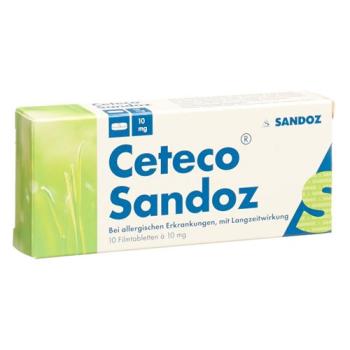
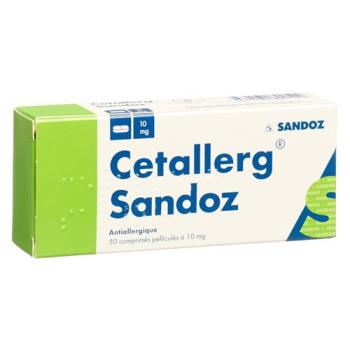
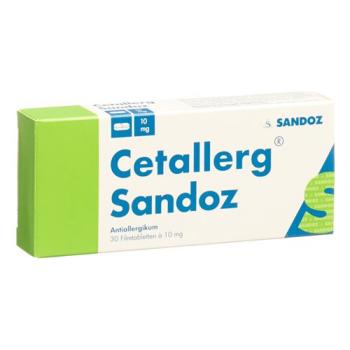
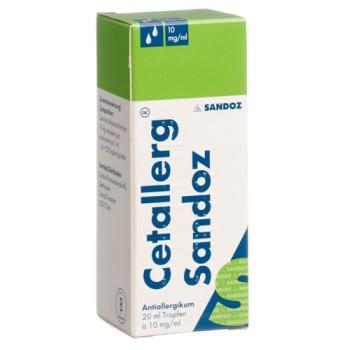
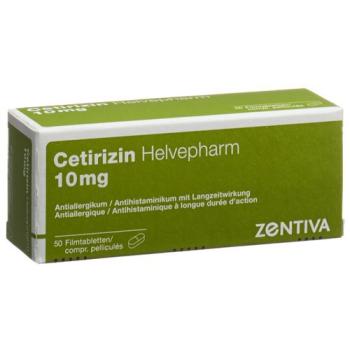
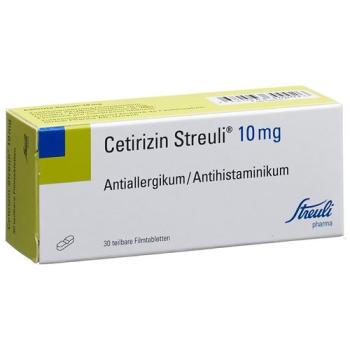
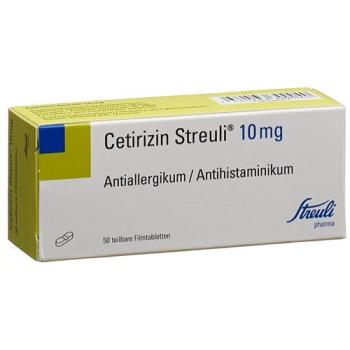
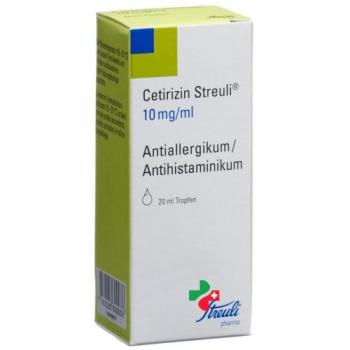
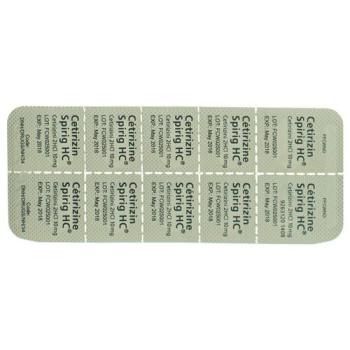
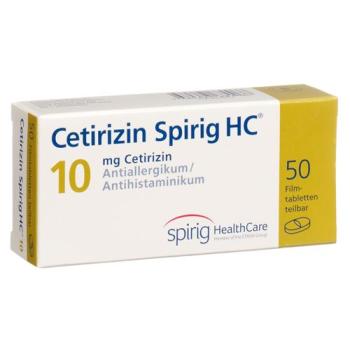
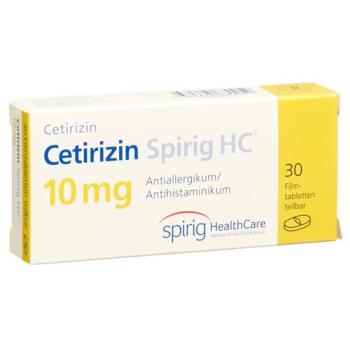
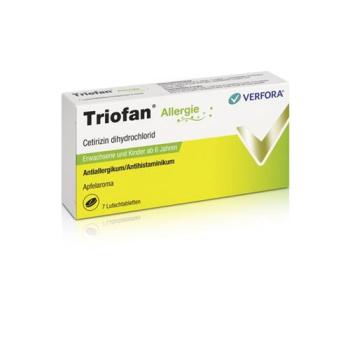
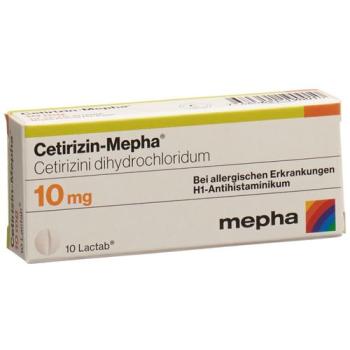
Description - Cetallerg Sandoz Filmtabl 10 mg 10 pcs
What is Cetallerg Sandoz and when is it used?
Cetallerg Sandoz is effective in the basic treatment of allergic diseases. It blocks the action of histamine, which is released in the body during allergic reactions. Cetallerg Sandoz is used in adults and children from 6 years of age to treat allergic diseases such as hay fever, allergic nasal discomfort and allergic conjunctivitis and chronic hives (which are often associated with itching). The treatment duration for children with allergic nasal discomfort must not exceed 4 weeks. Cetallerg Sandoz is available in the form of film-coated tablets or drops.
When not to take Cetallerg Sandoz?
Patients who are hypersensitive to the active substance, to other related substances or to any other ingredient in Cetallerg Sandoz should not use the preparation.Women who are breastfeeding should not use Cetallerg Sandoz. Pregnant women should only take Cetallerg Sandoz if prescribed by a doctor.
As Cetallerg Sandoz film-coated tablets contain lactose, patients with rare hereditary disorders such as galactose intolerance, the Lapp lactase deficiency or glucose-galactose malabsorption syndrome should not take the film-coated tablets.
Patients with end-stage kidney disease (with a glomerular filtration rate (GFR) below 15 ml/min) must not take Cetallerg Sandoz.
When should caution be taken when taking Cetallerg Sandoz?
Children under 6 years of age should not be treated with Cetallerg Sandoz. You should only take Cetallerg Sandoz film-coated tablets and theophylline (an active substance used to treat shortness of breath) after consulting your doctor. Cetallerg Sandoz and preparations containing glipizide (a medicine used to treat diabetes) should not be taken together. It is recommended to take the Glipizide medication in the morning and Cetallerg Sandoz in the evening.
Cetallerg Sandoz should be used with caution in epileptics as it could potentially trigger seizures.
Caution should be exercised when using Cetallerg Sandoz with sedatives or painkillers.
Caution is required when driving a motor vehicle or using machines, as taking Cetallerg Sandoz makes you drowsy alcohol.
It is advisable not to drink alcohol during treatment with Cetallerg Sandoz.
If you are going to have an allergy test, please ask your doctor whether you should stop taking Cetallerg Sandoz for a few days before the test, as this medicine could affect the result of an allergy test.
In patients with a tendency to urinary retention (e.g. spinal cord injury, enlarged prostate), Cetallerg Sandoz can do this Increase the risk of urinary retention.Inform your doctor, pharmacist or druggist if you
- suffer from other diseaseshave allergies ortake other medicines (including those you bought yourself!).
Can Cetallerg Sandoz be taken during pregnancy or while breastfeeding?
No undesirable effects have been found in animal experiments. However, like other medicines, Cetallerg Sandoz should not be taken during pregnancy. If you accidentally take Cetallerg Sandoz during pregnancy, it is not expected to be harmful to the unborn child, but treatment should be stopped immediately. Talk to your doctor if you are pregnant or planning to become pregnant. Cetallerg Sandoz should not be taken during breast-feeding, as the active ingredient inbreast milk.
How do you use Cetallerg Sandoz?
For adults and children over 6 years of age: The usual dose is one Cetallerg Sandoz film-coated tablet once a day. For children from 6 to 12 years of age, the dosage can be divided into two intakes (half a film-coated tablet in the morning and half in the evening). If there are slight side effects (tiredness, headaches, gastrointestinal disorders) that do not go away on their own, it is also advisable for adults to take half a film-coated tablet in the morning and half in the evening.
Patients with moderate to severe kidney failure
Patients with impaired kidney function (renal insufficiency) may receive a lower dose, which depends on the severity of the kidney disease and the doctor treating you is determined. The Cetallerg Sandoz film-coated tablets should be swallowed whole with a glass of liquid.Cetallerg Sandoz can be taken with or without food. The duration of treatment depends on the type, duration and course of the symptoms and is determined by the doctor. If you forget to take a dose of Cetallerg Sandoz, simply continue the treatment. Please do not take a double dose to make up for a missed dose. In the event of an overdose, you should contact your doctor immediately.Observe the dose given in the package leaflet or as prescribed by your doctor. If you think the medicine is too weak or too strong, talk to your doctor, pharmacist or druggist.
What side effects can Cetallerg Sandoz have?
The following side effects can occur when taking Cetallerg Sandoz:
Common (affects 1 to 10 users in 100)
Mild Tiredness, mild headache, drowsiness, dizziness, dry mouth, nausea have been reported.
Uncommon (affects 1 to 10 users in 1000)
Gastro-intestinal disturbances (e.g. diarrhoea, abdominal pain), malaise, itching, rash, agitation, abnormal skin sensation, runny nose, sore throat, feeling weak.
Rare (affects 1 to 10 in 10,000 people treated)
Hypersensitivity reactions, seizures, circulatory failure, liver damage, urticaria (nettle rash), tachycardia, edema (swelling), weight gain, confusion, hallucinations, insomnia, aggression, extreme tiredness, depression.
Very rare (affects less than 1 in 10,000 people treated)
Movement disorders, tremor, nervous twitching (tic), photosensitivity reactions, allergic shock, micturition disorders (abnormal urination), visual disturbances and uncontrollable circling movement of the eyes, thrombocytopenia (reduced number of blood platelets), dysgeusia (altered sense of taste), syncope (fainting).
Frequency not known (cannot be estimated from the available data)
Ged loss of memory (amnesia), memory problems, difficulty concentrating, dizziness (sensation of spinning or moving), urinary retention, increased appetite, suicidal thoughts, nightmares, joint pain, muscle pain, acute skin rash over the whole body with pustules and liver inflammation, vasculitis, hearing loss.Itching and/or hives have been reported after stopping cetirizine.If you experience any of these side effects, stop taking Cetallerg Sandoz and tell your doctor.If you notice any side effects, contact your doctor, pharmacist or druggist. This also applies in particular to side effects that are not listed in this leaflet.
What else needs to be considered?
Shelf life
The medicinal product may only be used up to the date marked «EXP» on the packaging.
Storage instructions
Store in the original packaging, at room temperature (15-25°C) and out of the reach of children.
Further information
Your doctor, pharmacist or druggist can provide you with further information tin, pharmacist or druggist. These people have the detailed technical information.
What does Cetallerg Sandoz contain?
1 film-coated tablet (divisible) contains 10 mg cetirizine dihydrochloride as an active ingredient and excipients.
Authorization number
56189 (Swissmedic)
Where can you get Cetallerg Sandoz? What packs are available?
You can get Cetallerg Sandoz in packs of 10 film-coated tablets in pharmacies and drugstores, without a doctor's prescription.
The packs of 30 and 50 film-coated tablets are only available in pharmacies with a doctor's prescription.
Authorization holder
Sandoz Pharmaceuticals AG, Risch; Domicile: RotkreuzThis leaflet was last checked by the drug authority (Swissmedic) in October 2021.