

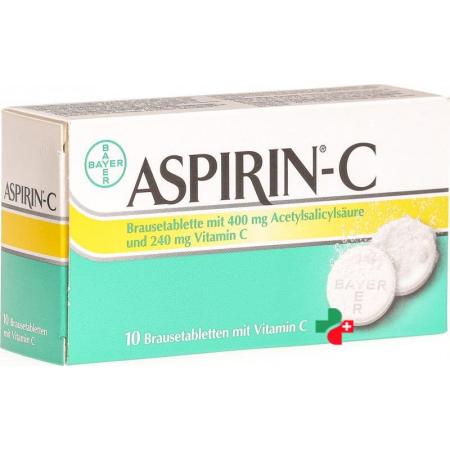
Aspirin C effervescent tablets 10 pcs
Aspirin C 10 Brause tablets
Send a request to get a price
In stock 1000 pcsAnalogues of the product based on the active ingredient
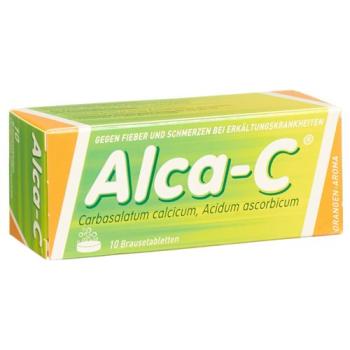
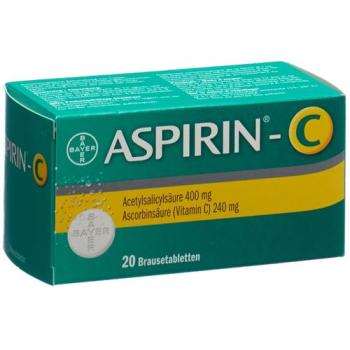
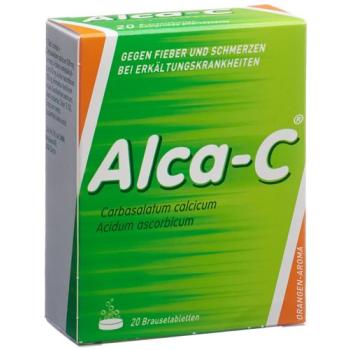
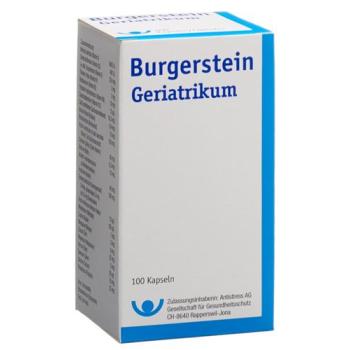
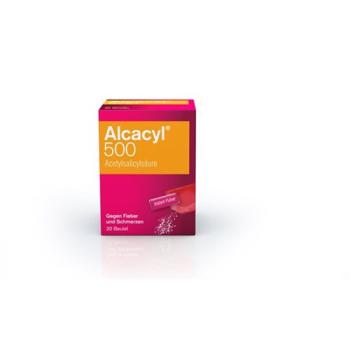
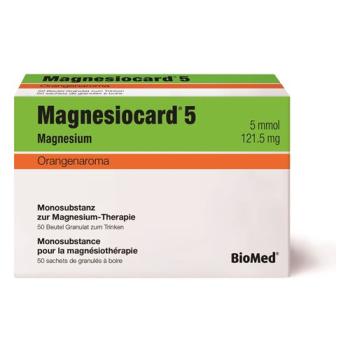
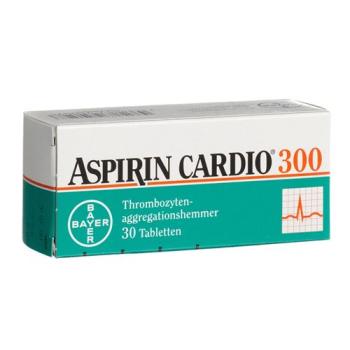
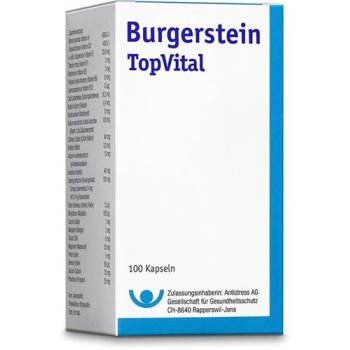
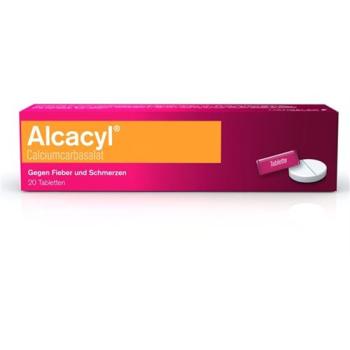
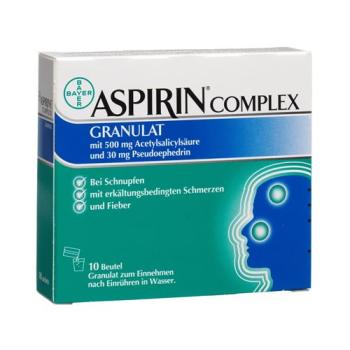

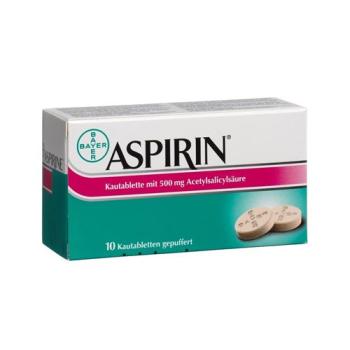
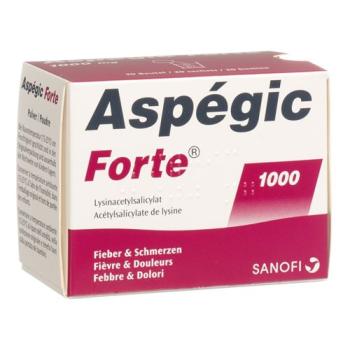
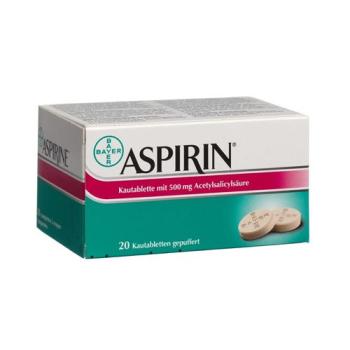
Analogues of the product based on the Anatomical Therapeutic Chemical (ATC) Classification - N02BA51
| Name | Code | EAN | Price | Original | ||
|---|---|---|---|---|---|---|
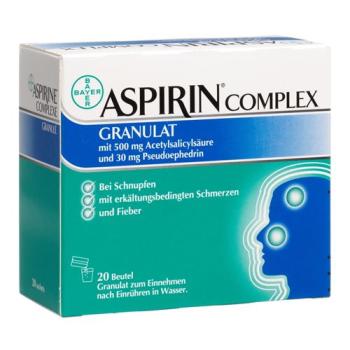 |
Aspirin Complex granules bag 20 pcs | 3659389 | 7680572440072 | - | Read more | |
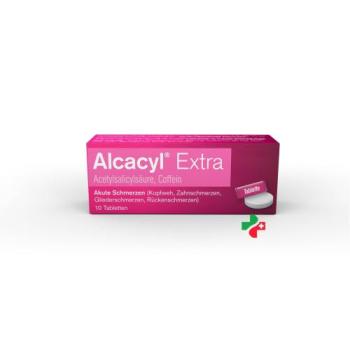 |
Alcacyl Extra 10 tablets | 6056674 | 7680653930010 | - | Read more |
Description - Aspirin C effervescent tablets 10 pcs
Aspirin-C contains the active ingredients acetylsalicylic acid and vitamin C. Acetylsalicylic acid has pain-relieving, fever-reducing and anti-inflammatory properties. The addition of vitamin C covers an increased need and supports the body's defense functions. Aspirin-C is used for the symptomatic treatment of fever and/or pain associated with the common cold. Children from the age of 9 and adolescents only with a doctor's prescription and only as a second-choice drug (see «When is caution required when taking Aspirin-C?»).
Swissmedic-approved patient information
Aspirin®-C, effervescent tablets
What is Aspirin-C and when is it used?
Aspirin-C contains the active ingredients acetylsalicylic acid and vitamin C. Acetylsalicylic acid has pain-relieving, fever-reducing and anti-inflammatory properties. The addition of vitamin C covers an increased need and supports the body's defense functions. Aspirin-C is used for the symptomatic treatment of fever and/or pain associated with the common cold. Children from the age of 9 and adolescents only with a doctor's prescription and only as a second-choice drug (see «When is caution required when taking Aspirin-C?»).
What should be considered?
Aspirin-C should not be used for more than 3 days unless prescribed by a doctor. Painkillers should not be taken regularly over a long period of time without medical supervision. Long-lasting pain requires a medical check-up. The dosage specified or prescribed by the doctor must not be exceeded. It's also important to remember that long-term use of painkillers can itself contribute to headache persistence. Long-term use of painkillers, especially when taking a combination of several painkillers, can lead to permanent kidney damage with the risk of kidney failure.
When should Aspirin-C not be used?
You must not use Aspirin-C in the following cases:
- If you are allergic to any of the ingredients or have had shortness of breath or an allergy-like skin reaction after taking acetylsalicylic acid, other salicylates or other pain or rheumatism medicines called non-steroidal anti-inflammatory drugs. If you suffer from a stomach and/or duodenal ulcer or have gastrointestinal bleeding.If you have chronic intestinal inflammation (Crohn's disease, ulcerative colitis).If you have a have a pathologically increased tendency to bleed.If you have severe impairment of liver or kidney function.If you have severe heart failure.If you are taking methotrexate at a dose of more than 15 mg per week.In the case of kidney stones or a tendency to kidney stones.In the case of increased oxal content in urine.In the case of iron storage disease. If you are pregnant or breastfeeding (see also the section «Can Aspirin-C be taken during pregnancy or while breastfeeding?»).For children under the age of 9.
When is caution required when using Aspirin-C?
During treatment with Aspirin-C, mucosal ulcers in the upper gastrointestinal tract, rarely bleeding or in isolated cases Perforations (stomach/intestinal breakthroughs) occur. These complications can occur at any time during treatment, even without warning symptoms. To reduce this risk, the smallest effective dose should be used over the shortest possible duration of therapy. Contact your doctor if you have stomach pain and suspect it is related to taking the medicine. Elderly patients may be more sensitive to the medicine than younger adults. It is particularly important that elderly patients report any side effects to their doctor immediately. You may only take Aspirin-C on prescription and under medical supervision in the following situations:
- If you are currently being treated by a doctor for a serious illness.If you have previously suffered from a stomach or duodenal ulcer.If you have heart disease or have kidney disease or increased fluid loss, e.g. due to heavy sweating, diarrhea or after major surgery; taking Aspirin-C can affect how your kidneys work, which can lead to an increase in blood pressure and/or fluid retention (oedema).If you have liver problems.
For asthma, hives, nasal polyps, hay fever or other allergies, for a rare hereditary disease of the red blood cells, the so-called "glucose-6-phosphate dehydrogenase deficiency" and for treatment with anticoagulants ("blood thinners ?, anticoagulants) or blood pressure lowering agents (antihypertensives) should only be taken according to strict instructions from the doctor. Patients who have to eat a low-salt diet on medical advice (e.g. kidney disease, severe heart failure) should only use Aspirin-C effervescent tablets in exceptional cases because of their high sodium content. Patients with a tendency to or recurring calcium oxalate kidney stones or iron storage diseases (thalassemia, haemochromatosis) may only take Aspirin-C after consulting their doctor. Children from the age of 9 and adolescents with fever, flu, chickenpox or other viral diseases may only take Aspirin-C as directed by the doctor and only as a second-line drug. If these diseases lead to disorders of consciousness with vomiting or after they have disappeared, the doctor should be consulted immediately. With simultaneous and prolonged use of Aspirin-C, the effect of cortisone preparations, anticonvulsants (antiepileptics), blood thinners, digoxin and lithium preparations against depression can be increased. There may be an increase in the undesirable effects of these medicines. The effect of gout medicines (Probenecid and Sulfinpyrazone), water tablets (diuretics) and medicines for high blood pressure can be reduced. The use of anti-rheumatic drugs or methotrexate (which is taken, for example, for chronic polyarthritis; see also the section "When should Aspirin-C not be used?") may result in an increase in the undesirable effects. Aspirin-C can increase the risk of bleeding if you take cortisone preparations, alcohol or drugs from the group of so-called serotonin reuptake inhibitors for depression. If you take aspirin-C and antidiabetics (e.g. insulin, sulfonylureas) at the same time, the blood sugar level can drop. Even in small doses, acetylsalicylic acid reduces the excretion of uric acid. This can trigger gout in patients who already have low uric acid excretion. Caution is required in conditions with an increased risk of bleeding (e.g. menstrual bleeding or injuries). There may be an increased tendency to bleed, especially during and after surgical interventions (including minor interventions such as tooth extraction). Your doctor or dentist should be asked or informed about taking it before surgery. If you need to have laboratory tests and are taking Aspirin-C, please tell your doctor. Results may be affected by aspirin-C. Serious skin reactions have been reported in association with treatment with non-steroidal anti-inflammatory drugs. The highest risk of such reactions appears to be at the beginning of therapy. If you develop a skin rash, including fever, mucosal lesions, blisters, or any other sign of allergy, you should stop taking Aspirin-C and seek medical attention immediately, as these may be the first signs of a very serious skin reaction (see section «What side effects can aspirin-C have?» ). This medicinal product contains 466 mg sodium (main component of cooking/table salt) in each effervescent tablet. This is equivalent to 23% of the recommended maximum daily dietary intake of sodium for an adult. Talk to your doctor or pharmacist if you are on a low-salt (low-sodium) diet. Tell your doctor, pharmacist or druggist if you
- suffer from other diseases,have allergies ortake other medicines (including those you bought yourself!).
Can Aspirin-C be used while pregnant or breastfeeding?Pregnancy
You should not take Aspirin-C, es unless it is clearly necessary and prescribed by a doctor. If taken during the first 6 months of pregnancy, the dose should be kept as low and the duration of treatment as short as possible. Taking nonsteroidal anti-inflammatory drugs (NSAIDs) after the 20th week of pregnancy may harm your unborn baby. If you have to take NSAIDs for more than 2 days, your doctor may need to monitor the amount of amniotic fluid in the womb and the fetal heart. If you are pregnant or planning to become pregnant, you should only take Aspirin-C after consulting your doctor. Aspirin-C should not be taken in the last trimester of pregnancy.
Breastfeeding
Aspirin-C should not be taken while breastfeeding unless your doctor has given you express permission to do so.
How do you use Aspirin-C?
Adults and adolescents from 12 years and over 40 kg: Take 1-2 effervescent tablets dissolved in a glass of water; if necessary repeat every 4-8 hours, maximum daily dose 6 effervescent tablets. It should not be taken on an empty stomach. Children from the age of 9 and adolescents may only take Aspirin-C if prescribed by a doctor and only as a second-line drug. Children under the age of 9: Aspirin-C is not suitable for children under the age of 9 because of the high content of the active ingredient. In the event of uncontrolled intake (overdose), consult a doctor immediately. Ringing in the ears and/or sweating can be an indication of an overdose. Follow the dosage given in this leaflet or as prescribed by your doctor. If you think the medicine is too weak or too strong, talk to your doctor, pharmacist or druggist.
What side effects can Aspirin-C have?Very common (affects more than 1 in 10 people)
Microbleeds (70%).
Common (affects 1 to 10 users in 100)
Stomach disorders.
Uncommon (affects 1 to 10 users in 1000)
Asthma, shortness of breath, upper abdominal discomfort, nausea, vomiting, diarrhoea.
Rare (affects 1 to 10 users in 10,000)
Coagulation deficiency (lack of blood platelets), lack of white blood cells, lack of blood cells (aplastic anaemia), iron deficiency , increased risk of bleeding (e.g. gastrointestinal bleeding, bruising, nosebleeds, bleeding gums, bleeding in the urine and genital organs, bleeding during operations, bleeding in the brain). Hypersensitivity reactions, such as swelling of the skin and mucous membranes (e.g. blocked nose), skin rashes (Steven Johnson syndrome, toxic epidermal necrolysis), nettle fever, hay fever, spasms of the airways, Quincke's edema (facial swelling), drop in blood pressure. Stomach/intestinal ulcers. Dizziness, headache, tinnitus (ringing in the ears), hearing loss, blurred vision, confusion. Hypoglycaemia, disturbance of the acid-base balance. Liver dysfunction. Kidney dysfunction.
Very rare (affects less than 1 in 10,000 people treated)
Severe bleeding, which in isolated cases can be life-threatening, has also been reported very rarely. Elevated transaminases (liver values). Reye's syndrome (disease affecting the brain and liver in children). If signs of a hypersensitivity reaction occur, the drug should be discontinued and your doctor consulted. If the stool turns black or there is blood in the vomit during treatment, the drug should be discontinued and the doctor consulted immediately.
Frequency not known (cannot be estimated from the available data)
Changes in the intestinal wall, especially with long-term use, as well as anemia and acute kidney failure have been reported. Frequency not known: A serious skin reaction known as DRESS syndrome can occur. Symptoms of DRESS include a rash, fever, swollen lymph nodes and an increase in eosinophils (a type of white blood cell). If you get any side effects, talk to your doctor, pharmacist or druggist. This also applies in particular to side effects that are not listed in this leaflet.
What else needs to be considered?Shelf life
The medicinal product may only be used up to the date marked on the container with « EXP» can be used.
Storage instructions
Store Aspirin-C effervescent tablets at room temperature (15-25°C), protected from moisture and out of the reach of children.
Further information
Your doctor, pharmacist or druggist can provide you with further information. These people have the detailed information for specialists.
What does Aspirin-C contain?Active ingredients
The Aspirin-C effervescent tablets contain 400 mg acetylsalicylic acid and 240 mg ascorbic acid (vitamin C)
Excipients
Sodium dihydrogen citrate, sodium hydrogen carbonate, citric acid, sodium carbonate.
Approval number
33670 (Swissmedic)
Where can you get Aspirin-C? What packs are available?
In pharmacies and drugstores, without a doctor's prescription. Packs of 10 and 20 effervescent tablets.
Authorization holder
Bayer (Switzerland) AG, 8045 Zurich. This leaflet was last checked by the drug authority (Swissmedic) in February 2023.