

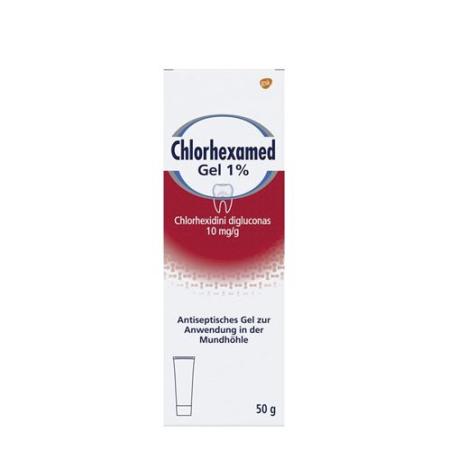
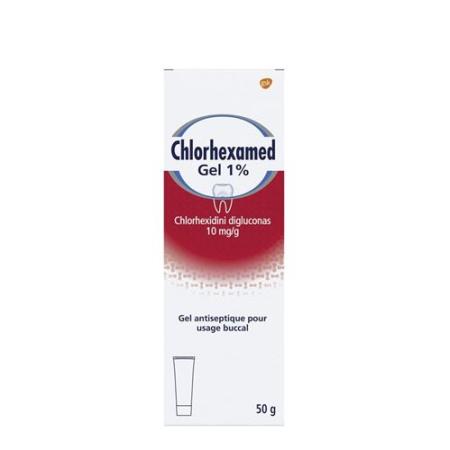
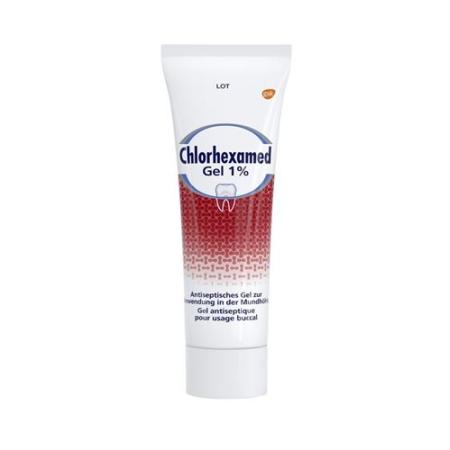
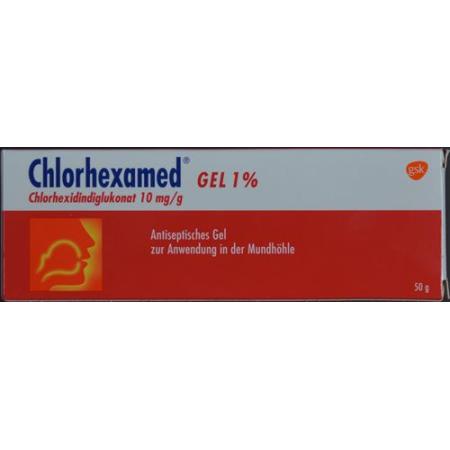
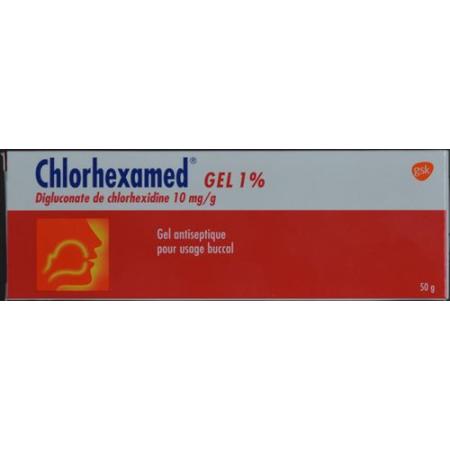
Chlorhexamed Gel 1% 50g
Chlorhexamed Gel 50г
Send a request to get a price
In stock 50 pcsAnalogues of the product based on the Anatomical Therapeutic Chemical (ATC) Classification - A01AB03
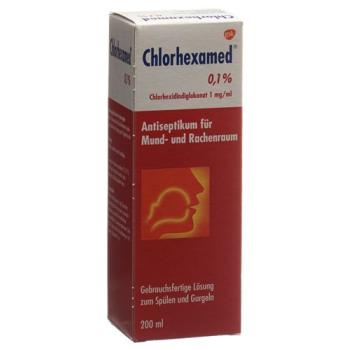

Description - Chlorhexamed Gel 1% 50g
Chlorhexamed Gel is used to treat and prevent bacterial and fungal inflammation of the oral mucosa, gums, periodontium and aphthae. Chlorhexamed Gel effectively reduces the number of germs in the oral cavity. This improves oral hygiene and reduces the formation of bacterial deposits (plaque).
Swissmedic-approved patient information
Chlorhexamed Gel 1%
What is Chlorhexamed Gel and when is it used?
Chlorhexamed Gel is used for Treatment and prevention of bacterial and mycotic inflammation of the oral mucosa, gums, periodontium and aphthae. Chlorhexamed Gel effectively reduces the number of germs in the oral cavity. This improves oral hygiene and reduces the formation of bacterial deposits (plaque).
When must Chlorhexamed Gel not be used?
In case of hypersensitivity to the active substance chlorhexidine digluconate or another ingredient (see «What does Chlorhexamed Gel contain?»).
When is caution required when using Chlorhexamed Gel?
Chlorhexamed Gel is only intended for use in the oral cavity and must not be swallowed. Avoid contact with eyes or ear canal. In case of accidental contact with the eyes, the area around the eyes or the ear canal, flush with plenty of water. If there is no improvement within 1 week, a doctor should be consulted. Longer use of more than 2 weeks should only take place after consultation with the doctor or dentist. Caution is required in the case of an existing periodontitis. If pain, swelling or irritation of the mouth occurs, you should stop using Chlorhexamed Gel immediately and consult a doctor. Stop using Chlorhexamed Gel and contact your doctor immediately if you experience any of the following symptoms: rash, swelling of the lips, tongue, throat or face, mouth irritation, shortness of breath or circulatory problems. These symptoms can be a sign of a serious allergic reaction. However, these reactions are rare. At the beginning of treatment with Chlorhexamed Gel, you may experience an impairment of taste, as well as a tingling or burning sensation on the tongue. These symptoms usually resolve with continued use. If these symptoms persist, you should consult a doctor. With regular use, discoloration of the teeth and tongue can occur, which in most cases resolves. You can prevent this discolouration by reducing the consumption of staining foods or drinks such as black tea, coffee and red wine. You can prevent discoloration by brushing your teeth with regular toothpaste, but in some cases professional cleaning may be necessary to remove discoloration completely. Cleaning with a special cleaning agent is recommended for dentures. Chlorhexamed Gel is impaired in its effectiveness by anionic substances (surfactants), which are usually a component of common toothpastes. Therefore, do not brush your teeth at the same time, but at least 5 minutes before treatment with Chlorhexamed Gel. Rinse your mouth thoroughly with water before using Chlorhexamed Gel (see «How do you use Chlorhexamed Gel?»). Do not eat or drink any sugary foods or drinks immediately after using Chlorhexamed Gel, as this will impair the effectiveness of Chlorhexamed Gel. Tell your doctor, pharmacist or druggist if you
- suffer from other diseases,have allergies ortake other medicines (including those you bought yourself!) or use them externally.
Can Chlorhexamed Gel be used during pregnancy or breastfeeding?
During or before pregnancy, you should avoid taking medicines if possible. If you are pregnant or breastfeeding, you should only use Chlorhexamed Gel after consulting your doctor.
How do you use Chlorhexamed Gel?Adults and adolescents over 12 years
Local application: Application with the toothbrush: Unless otherwise prescribed, apply 2-3 cm of Chlorhexamed Gel to the wet toothbrush once or twice a day. Brush teeth and/or tongue thoroughly but gently for about 1 minute, spit out. Rinse as little as possible with water (depot effect). Accidental swallowing of Chlorhexamed Gel is not harmful, but it may cause nausea. The teeth should be cleaned with toothpaste at least 5 minutes before using Chlorhexamed Gel. Rinse your mouth thoroughly with water before using Chlorhexamed Gel. Children between the ages of 6 and 12 should only be used on the instructions of the dentist. The use and safety in children under 6 years of age has not yet been tested. Due to the risk of accidental ingestion, use in this age group is not recommended. Stick to the dosage given in the package leaflet or as prescribed by your doctor. If you think the medicine is too weak or too strong, talk to your doctor, pharmacist or druggist. Children
What side effects can Chlorhexamed Gel have?
Rarely, hypersensitivity reactions (reddened, painful gums, allergic reactions of the skin, mucous membranes and respiratory organs) occur (see «When is the Caution required when using Chlorhexamed Gel?»). In individual cases, serious allergic reactions have also been described after topical application of chlorhexidine. The most common side effects occur locally in the oral cavity, such as coated tongue or dry mouth. At the beginning of treatment, there is often a temporary disturbance in taste, tingling, burning or numbness of the tongue (see «When should you be careful when using Chlorhexamed Gel?»). In most cases, these symptoms improve over the course of treatment. If these symptoms persist, you should consult your doctor. In individual cases, temporary scaly changes in the oral mucosa and temporary swelling of the salivary glands occur. Sometimes there may be temporary discolouration of the teeth, fillings, dentures and the papillae of the tongue (see "When should you be careful when using Chlorhexamed Gel?"). If you get any side effects, talk to your doctor, pharmacist or druggist. This also applies in particular to side effects that are not listed in this leaflet.
What else needs to be considered?
Keep Chlorhexamed Gel out of the reach of children, tightly closed and at room temperature (15-25°C). The medicinal product may only be used up to the date indicated on the container with «EXP».
Use by after opening
Shelf life 1 month after opening. Your doctor, pharmacist or druggist can provide you with further information. These people have the detailed information for specialists.
What does Chlorhexamed Gel contain?
1 g Chlorhexamed Gel 1% contains the active substance: 10 mg chlorhexidine digluconate and the auxiliary substances: isopropyl alcohol , Hydroxypropylcellulose, Macrogolglycerol Hydroxystearate, Sodium Acetate Trihydrate, Flavourings: Peppermint Oil, Menthol, Purified Water.
Approval number
58026 (Swissmedic).
Where can you get Chlorhexamed Gel? What packs are available?
In pharmacies and drugstores, without a doctor's prescription. 50g tube.
Authorization holder
GSK Consumer Healthcare Schweiz AG, Risch. This package leaflet was last checked by the medicines authority (Swissmedic) in March 2021.