

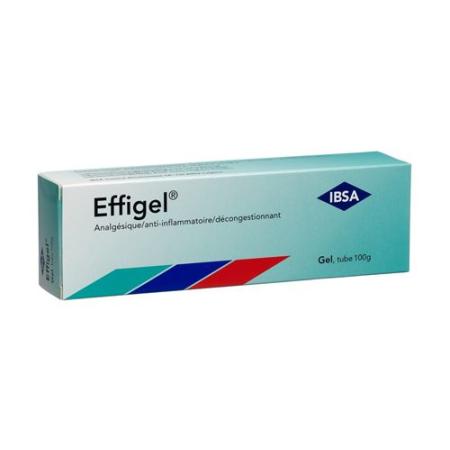
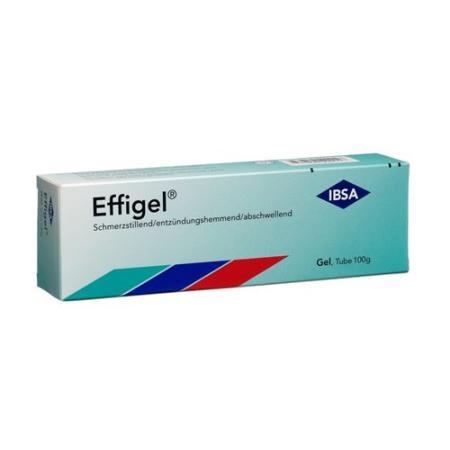
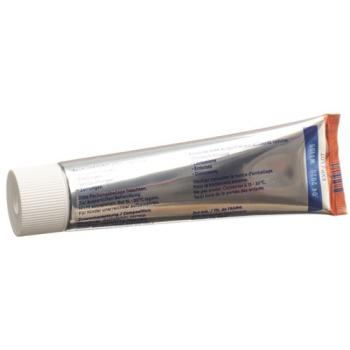
Effigel Gel Tb 100 g
Effigel Gel 100g
Send a request to get a price
In stock 50 pcsAnalogues of the product based on the active ingredient
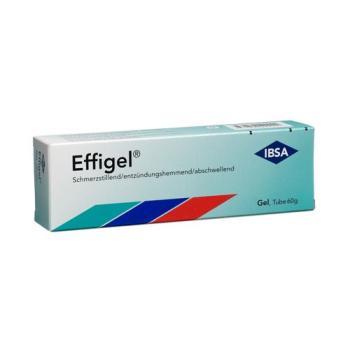
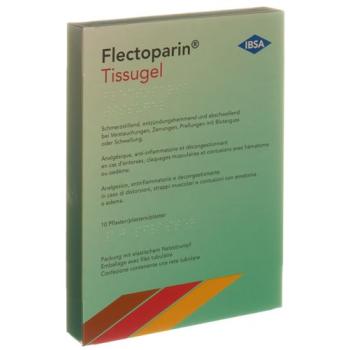
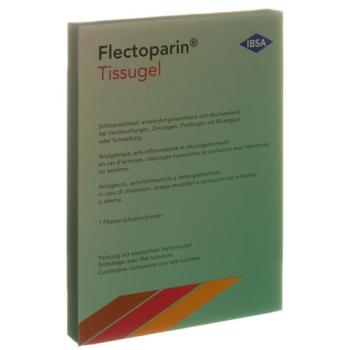
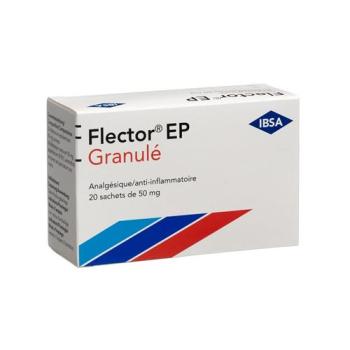
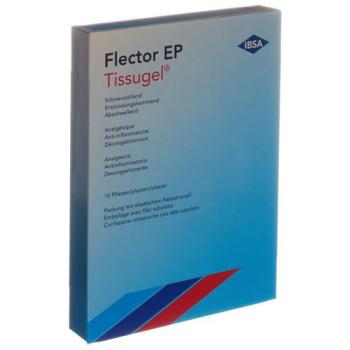


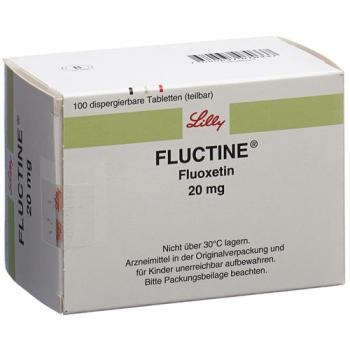
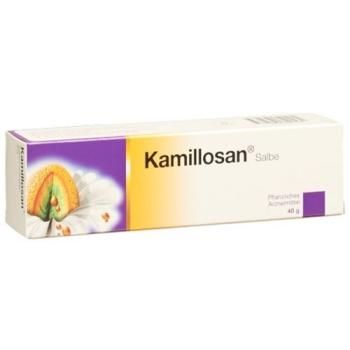
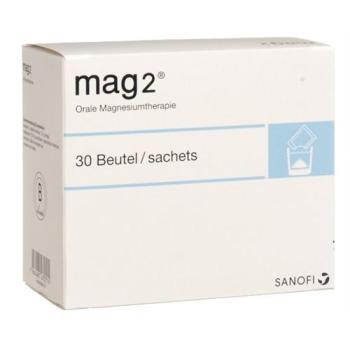
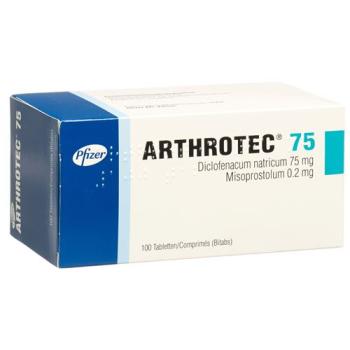
Analogues of the product based on the Anatomical Therapeutic Chemical (ATC) Classification - M02AA15
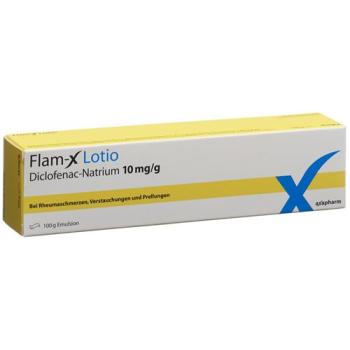
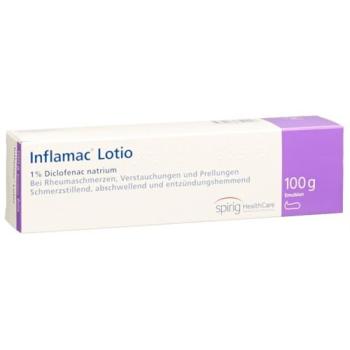
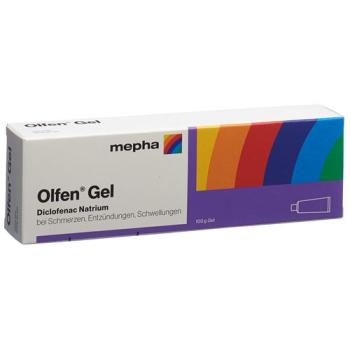
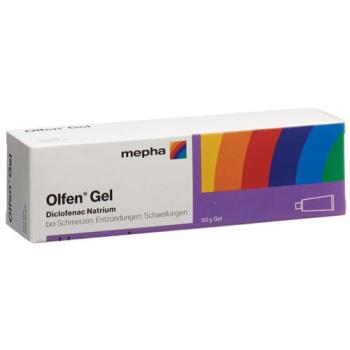
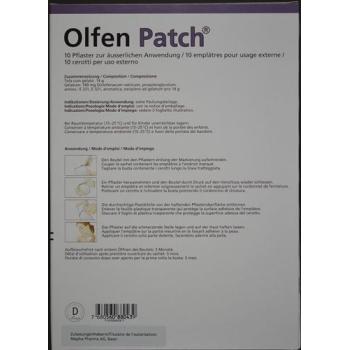
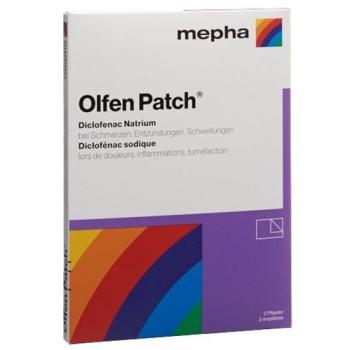
Description - Effigel Gel Tb 100 g
Effigel contains the active substance diclofenac, which belongs to a group of medicines called non-steroidal anti-inflammatory drugs (medicines that relieve pain and inflammation). Effigel has analgesic and anti-inflammatory properties and, thanks to the water-alcoholic base, has a soothing, cooling effect. Effigel is used for the external treatment of pain, inflammation and swelling in
- Injuries to tendons, ligaments, muscles and joints, e.g. sprains, bruises, strains or back pain after sport or an accident,
- localized forms of soft tissue rheumatism, e.g. tendonitis (tennis elbow), shoulder Hand syndrome, bursitis, periarthropathies,
- and for the symptomatic therapy of arthrosis of small and medium-sized joints that are close to the skin, such as finger joints or knees.
Effigel can be used intended for adults and adolescents aged 12 and over.
Swissmedic-approved patient information
Effigel®
What is Effigel and when is it used?
Effigel contains the active substance diclofenac, which belongs to a group of medicines called non-steroidal anti-inflammatory drugs (medicines that relieve pain and inflammation). Effigel has analgesic and anti-inflammatory properties and, thanks to the water-alcoholic base, has a soothing, cooling effect. Effigel is used for the external treatment of pain, inflammation and swelling in
- Injuries to tendons, ligaments, muscles and joints, e.g. sprains, bruises, strains or back pain after sport or an accident,localized forms of soft tissue rheumatism, e.g. tendonitis (tennis elbow), shoulder Hand syndrome, bursitis, periarthropathies,and for the symptomatic therapy of arthrosis of small and medium-sized joints that are close to the skin, such as finger joints or knees.
Effigel can be used intended for adults and adolescents aged 12 and over.
When should Effigel not be used?
Effigel should not be used if there is a known hypersensitivity to the active ingredient diclofenac or other pain, anti-inflammatory and antipyretic substances (especially acetylsalicylic acid/aspirin and ibuprofen) and hypersensitivity to one of the excipients (for a complete list of excipients, see the «What does Effigel contain?» section). Such hypersensitivity manifests itself e.g. through wheezing or shortness of breath (asthma), breathing difficulties, skin rash with blistering, hives, swelling of the face and tongue, runny nose. Effigel must not be used in the last 3 months of pregnancy (see also «Can Effigel be used during pregnancy or breastfeeding?»).
When is caution required when using Effigel?
- Effigel must not be applied to open skin wounds (e.g. after abrasions, cuts) or to damaged skin (e.g. eczema , skin rashes).Effigel should not be used on large areas for a long time unless prescribed by a doctor.Stop treatment immediately if a skin rash develops after using the product occursEyes and mucous membranes should not come into contact with the preparation. If this happens, rinse your eyes thoroughly with tap water and inform your doctor if the symptoms persist.
Do not take the medicine. If you accidentally swallow the gel or if this happens to a child, contact your doctor immediately.
Wash your hands after use, except when treating the finger joints (see also « How do you use Effigel?»).Effigel contains macrogolglycerol hydroxystearate. This can cause skin irritation.
Effigel contains a fragrance with linalool, cinnamic alcohol, amyl cinnamic aldehyde, benzyl salicylate, isoeugenol, geraniol, citronella oil, benzyl alcohol, citral. These substances can cause allergic reactions.Effigel must not be used with airtight bandages.
Inform your doctor, pharmacist or druggist if you have previously had allergic symptoms after using similar preparations (rheumatism ointments), or if you have
- suffer from other diseases,have allergies oruse other medicines (including those you bought yourself!).
Can Effigel be used during pregnancy or while breastfeeding?
Effigel must not be used during the 1st and 2nd trimester of pregnancy or while breastfeeding, unless explicitly stated medical prescription. Effigel must not be used in the last 3 months of pregnancy as it may harm the unborn child or cause problems during delivery. If you are planning to become pregnant, you should ask your doctor, pharmacist or druggist for advice before use. As a precaution, you should avoid taking medicines during pregnancy and breastfeeding or ask your doctor, pharmacist or druggist for advice.
How do you use Effigel?
The preparation is intended for external use only.
Adults and adolescents from the age of 12
Depending on the size of the painful or swollen areas or areas to be treated, an amount of 2-4 g Effigel (amount the size of a cherry to a walnut) applied, rubbed in lightly or massaged in for muscle pain.
After use
- Wipe hands with a dry paper towel, then wash hands well, except when treating fingers. Dispose of the paper towel with the household waste.Before showering or bathing, you should wait until the Effigel has dried on your skin.
If you forget to use Effigel have, make up for the application as soon as possible. Do not apply double the amount to make up for the forgotten treatment. Tell your doctor if your symptoms get worse or if your symptoms have not improved after a week. Effigel should not be used for longer than 2 weeks without a doctor's prescription. Use the preparation for the shortest time necessary, applying no more than necessary.
Children under the age of 12
The use and safety of Effigel in children under the age of 12 has not yet been systematically tested. Its use is therefore not recommended. If you or your child have (accidentally) swallowed Effigel, contact your doctor immediately. Stick to the dosage given in the package leaflet or as prescribed by your doctor. If you think the medicine is too weak or too strong, talk to your doctor, pharmacist or druggist.
What side effects can Effigel have?
The following side effects can occur when using Effigel, some rare or very rare side effects can be serious.
If any of the following side effects occur, stop using Effigel and tell your doctor immediately:
- severe skin rash with blisters, hives ,Wheezing, shortness of breath, or a tight chest (asthma),Swelling of the face, lips, tongue and throat. ul>
- common (affects 1 to 10 users in 100): Rash, itching, redness, burning sensation of the skin;very rare (affects less than 1 user in 10,000): increased sensitivity to sunlight. Signs of this are sunburn with itching, swelling and blistering.
These other side effects are usually mild and temporary:
If you notice any side effects that are not described here, you should inform your doctor, pharmacist or druggist . This also applies in particular to side effects that are not listed in this leaflet.
What else needs to be considered?
The medicinal product may only be used up to the date marked «EXP» on the container. Do not throw away any medicines via wastewater (e.g. not down the toilet or sink). This helps protect the environment.
Storage instructions
Store at room temperature (15-25°C). Keep out of the reach of children.
Further information
Your doctor, pharmacist or druggist can provide you with further information. These people have the detailed information for specialists.
What does Effigel contain?Active ingredients
100 g Effigel contain diclofenac epolamine equivalent to 1 g diclofenac sodium.
Excipients
Soy lecithin, macrogol-8-stearate (type I), macrogolglycerol hydroxystearate, carbomers, sodium hydroxide, isopropyl alcohol, purified water, fragrance (linalool, cinnamyl alcohol, amyl cinnamaldehyde, benzyl salicylate, isoeugenol, geraniol, citronella oil, benzyl alcohol, citral).
Approval number
55429 (Swissmedic)
Where can you get Effigel? What packs are available?
In pharmacies and drugstores, without a doctor's prescription. Tubes of 60 and 100 g.
Authorization holder
IBSA Institut Biochimique SA, Lugano. This package leaflet was last checked by the Medicines Agency (Swissmedic) in August 2021.